How to Name a Tea Brand That Works Worldwide: A Practical Guide
A tea brand name that works worldwide is not a creative decision first; it is a legal, linguistic, and commercial screen applied to a shortlist. To name a tea brand that works worldwide, start with positioning, generate candidates, screen them across priority markets, test them with target buyers, and then register the surviving name. The most important early step is to define what the brand promises and where it will be sold, because a name that fits a premium single-origin gift box may not fit a ready-to-drink line or foodservice pouch. This guide gives you a repeatable process and the checks that prevent a weak or blocked name from reaching packaging.
Why Global Tea Brand Names Fail Before Launch
Most failed names slip through one of three gaps. The first is legal conflict: a mark that is already in use for tea or a related retail service can block an entire market even when the name sounds original. The second is linguistic or cultural friction: a name that reads well in English may carry an unwanted meaning or be hard to pronounce in a priority export country. The third is weak distinctiveness: generic or descriptive names are difficult to protect and easy to forget.
The mechanism behind each failure is the same. A brand name is not a word; it is a bundle of phonetic impact, cultural meaning, legal scope, and visual presence on a label. If any one of those bundles fails in a target market, the name creates friction instead of reducing it. That is why a long creative list is less valuable than a shortlist that has passed a structured screen.
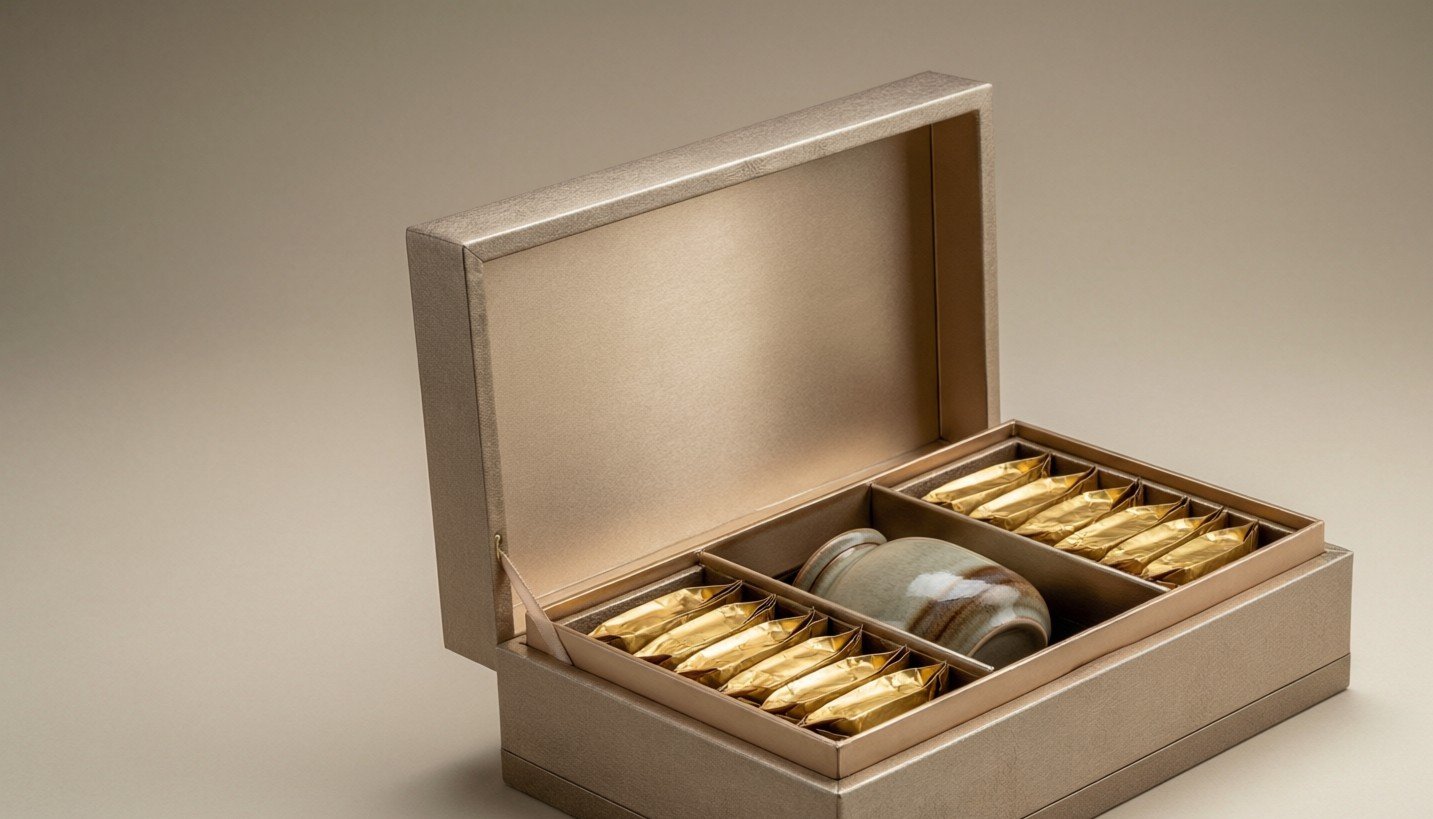
On a retail shelf or e-commerce thumbnail, the name has to remain legible next to the tea type, weight, and origin.
How to Anchor a Tea Brand Name in Positioning
Before writing any name, define three things: the origin or source story, the product promise, and the target buyer and channel. These inputs keep the name useful. A name built around a misty high-elevation estate supports a different brand than one built around fast turnkey private label supply.
Write a one-sentence positioning statement that names the tea style, the main benefit, the buyer, and the place where the product is sold. For example, a brand could be "single-origin Wuyi oolong for specialty grocers in North America" or "Fuding white tea for private-label wellness brands in Europe." The exact wording is less important than the fact that it excludes some directions and makes others obvious.

From the positioning, create a short set of name criteria rather than a mood board. Useful criteria include: two to four syllables, easy to say after one glance, visually compact on a small pouch, and connected to the source story without being generic. These are decision filters, not a guarantee. A longer name can still work when the story and legal position are strong, but it may cost legibility on small-format labels.
How to Screen a Name Across Languages and Cultures
Screen the name against the languages and cultures where you will actually sell, not every language in the world. A priority list of three to six markets is enough. For each candidate, check meaning, slang, taboo association, homophone risk, and how the word feels in local script.
Pronunciation and recall
Say the name aloud in the target language. If a buyer or distributor hesitates, produces two different pronunciations, or shortens it into something unrelated, that is a warning signal. Names with clear vowels and a simple stress pattern usually survive better across languages, but this is not a rule that should override a strong brand story.
Cultural and visual associations
Check negative meanings and near meanings. A name may be acceptable in one dialect and awkward in another. If the name includes or suggests Chinese characters, review the literal and associative meanings separately from the romanized spelling. Visual association also matters: a mark that looks elegant in a Latin-script logo may lose its balance in Arabic, Cyrillic, or CJK layouts.
| Screen | What to check | What removes or weakens the name |
|---|---|---|
| Linguistic | Unwanted meaning in priority languages | Slang, taboo, or unflattering homophone |
| Pronunciation | Easy, consistent pronunciation | Multiple plausible readings or awkward stress |
| Recall | Distinct and memorable | Generic or too close to existing brands |
| Trademark | Similar live marks in relevant classes | Confusingly similar mark for related goods or services |
| Digital | Exact and close domain and social handles | Squatted or unavailable handles that force changes |
| Visual | Legibility on labels and screens | Name too long, difficult to typeset, or unclear in scripts |
How to Clear a Name for Trademark and Digital Use
Legal clearance is separate from a web search. A name can sound original and still collide with a registered mark in the correct class and country. Tea is generally filed in International Class 30 for the goods, while retail, online store, and cafe services often require additional classes such as 35 or 43. Clearance should cover the classes you will actually use, not only the class you think is most obvious.
Trademark clearance
Search official trademark registers in your priority countries, not just a general search engine. Look for identical and confusingly similar marks, and pay attention to whether the existing mark is live and used for related goods or services. A mark in a different class may coexist if there is no likelihood of confusion, but a mark for a different tea product in the same class is often a serious block. When in doubt, get a written opinion from a qualified trademark agent before printing packaging.
Domain and social handles
Check the exact domain and the most common social handles at the same time. If the exact domain is taken, you can still build a strong brand, but the extra friction matters: buyers may reach the wrong site, and trade buyers may see the compromise as a lack of care. Compare the cost of changing the name against the cost of a weak or confusing digital presence.
How to Test a Tea Brand Name Shortlist with Buyers
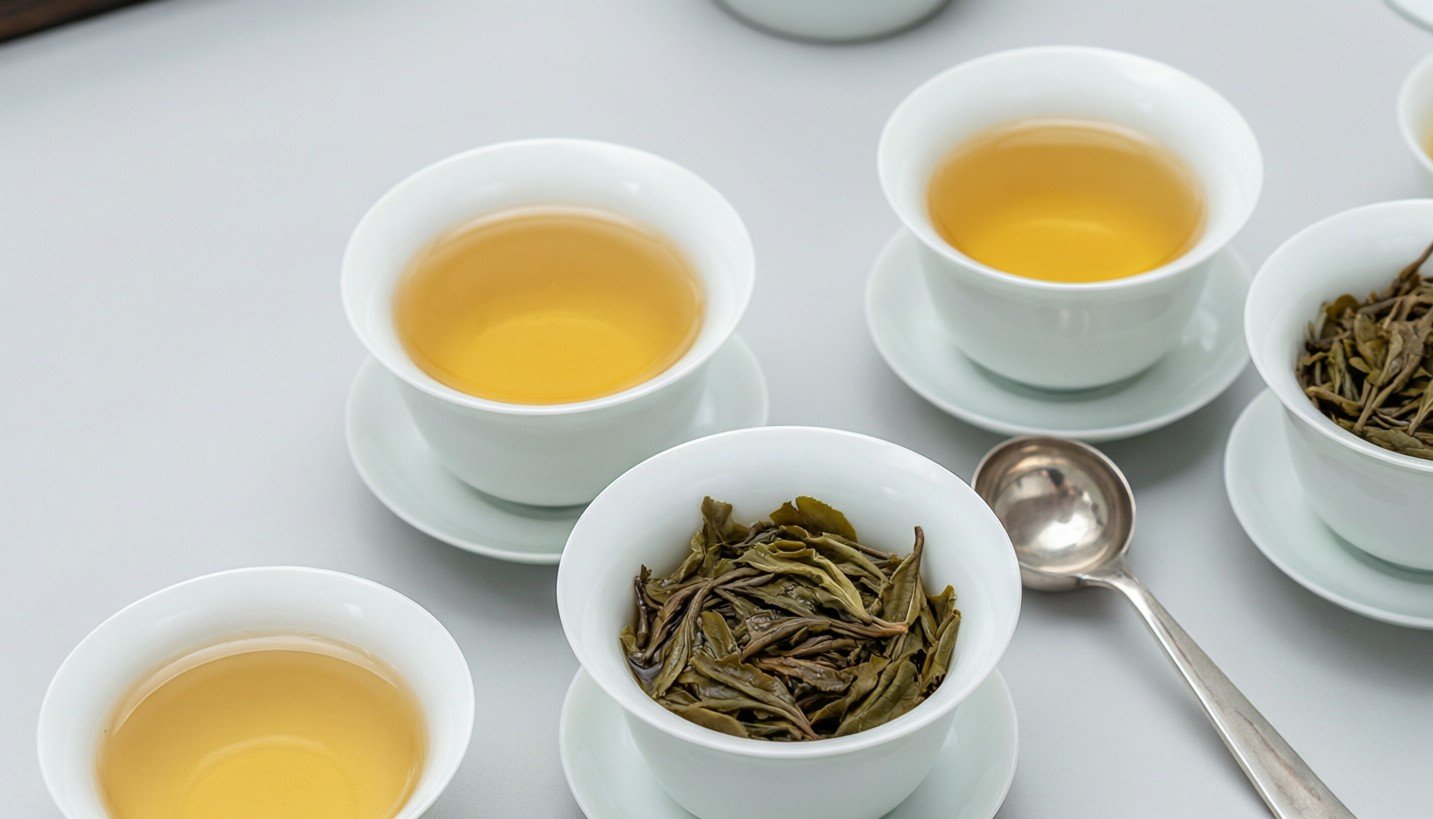
After linguistic and legal screens, test five to ten surviving candidates with people who resemble your actual buyer. A good test does not ask only which name people like. It asks which name sounds right for the product tier, which one they can spell after hearing once, and which one they would expect to find in a specialty tea shop rather than a generic aisle.
Record the reasons, not just the votes. A name that everyone likes but nobody remembers has not passed the test. A name that divides opinion can still be strong when it fits the positioning and remains clear to the intended buyer. Buyer feedback is not a substitute for trademark clearance, and clearance does not prove the name will sell. Both checks are needed.
How to Register and Protect the Name in Key Markets
Register in the markets that matter first, not everywhere at once. The home market usually comes first because it establishes priority and a real commercial use. Export markets follow only when sales volume, distributor commitments, or brand exposure justify the cost. Filing in many countries without a business reason adds cost without adding much protection.
Use a registration route that fits your expansion plan. National filings are straightforward but must be repeated; international filing systems can reduce duplication, but each designated country still examines the mark under its own rules. A trademark agent or attorney can identify whether the mark is descriptive or likely to face an objection before you pay filing fees.
After registration, use the mark consistently. An unused mark can become vulnerable, and a mark used in different forms can weaken its scope. Keep evidence of use in each market and renew the registration when required. Monitoring matters too: a conflict discovered late is far more expensive than one found during clearance.
Start Your Global Tea Brand Name Screen
Work from a shortlist of five screened candidates, your tea category, and the three priority markets you intend to enter. Chinese tea suppliers can help you align the name with packaging size, label information, and sourcing requirements for export. Send the shortlist, target countries, and whether you need private label or bulk supply to 427728483@qq.com.
FAQ
How many name candidates should I prepare before testing?
Prepare at least five to eight candidates that have passed a preliminary language and trademark screen. Fewer than five often forces a weak compromise when a favorite fails clearance. More than ten makes testing slower without adding much decision value.
Can I use the same tea brand name in every country?
You can try, but you must clear the mark country by country and class by class. A name may be available in one market and blocked in another. Priority markets decide whether a single global name is realistic.
Should the name be in English or include Chinese characters?
It depends on your position. A Latin-script or English name is often easier for broad export distribution, while a Chinese-origin name can support authenticity when paired with a clear transliteration and story. Match the script to your target buyer and retail format rather than choosing for novelty.
How long does name clearance take?
Clearance timelines vary by country and trademark office. A preliminary screening can be done quickly, but official registration often takes many months. Start clearance before packaging design so the name does not get locked into materials that must change.
Can I rename later if the first name fails?
Yes, but it is expensive and disruptive. Packaging, labels, digital assets, marketplace listings, and registered marks all change. It is cheaper to screen the name before launch than to rebuild it later.
No author description available.

白玉京