Raw Pu-erh (Sheng) Tea Health Effects: What the Evidence Actually Shows
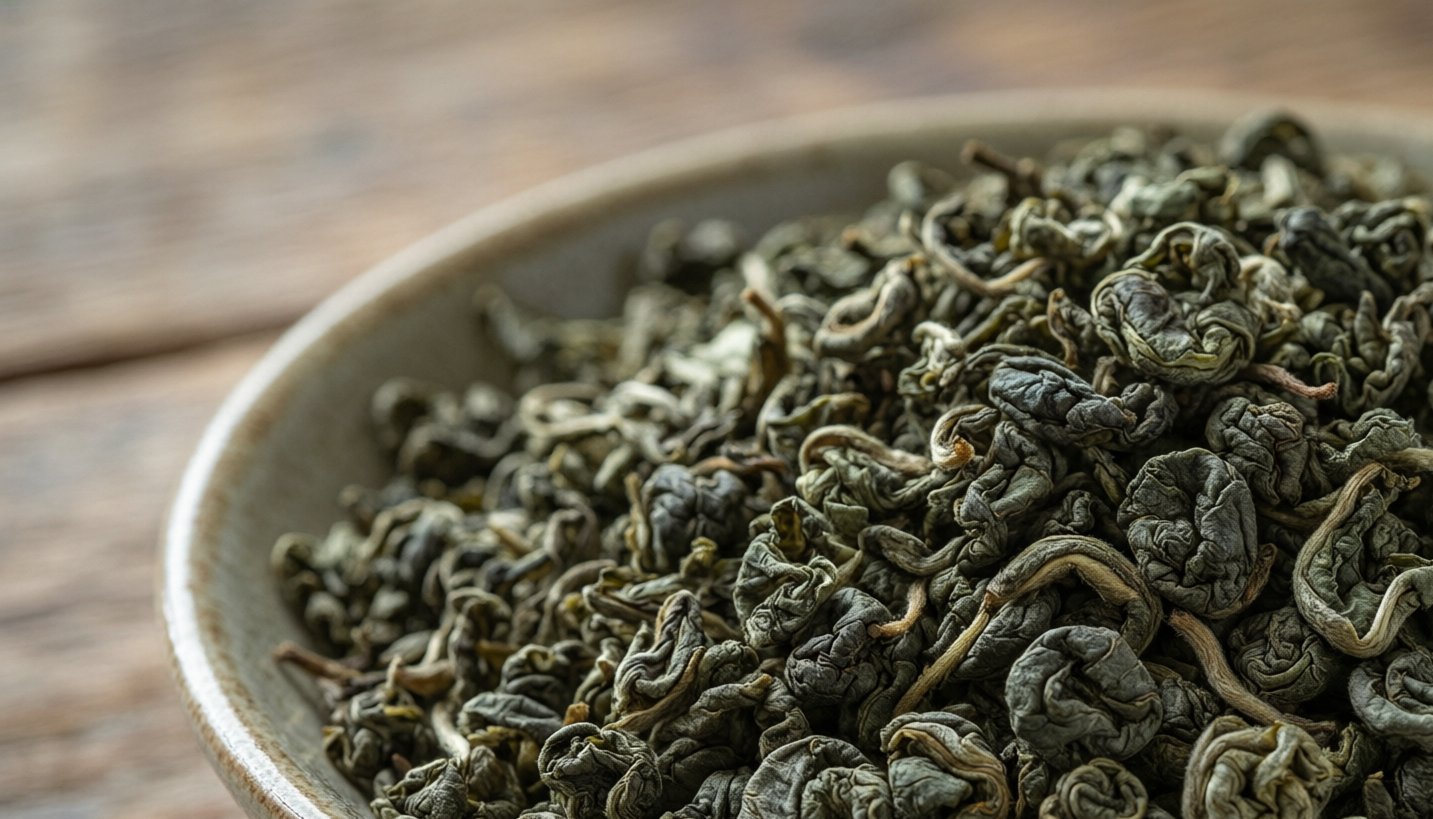
Raw pu-erh, also written as sheng pu-erh, is the original pu-erh style from Yunnan: sun-dried large-leaf tea that is compressed or left loose and allowed to age. It is not the same as cooked ripe pu-erh, which is pile-fermented quickly. Because raw sheng changes slowly over years, its chemistry moves from bright, green-tea-like stimulation toward a darker, softer profile. That shifting chemistry is the source of both its real health effects and its most exaggerated marketing claims.
Some raw pu-erh claims are repeatable in laboratories. Others are borrowed from green tea research, applied to unrelated disease outcomes, or built on weak animal data. Here is what the current evidence actually supports, what remains unproven, and what buyers should verify before building a health-focused raw pu-erh product line.
What Raw Pu-erh Is and Why Its Chemistry Changes
GB/T 22111-2008, which defines pu-erh tea under Chinese standards, separates pu-erh into raw and ripe styles by fermentation and aging path [1]. Raw pu-erh begins as sun-dried Yunnan large-leaf green tea. After compression, natural microorganisms and enzymes slowly transform catechins, amino acids, and polysaccharides. This produces more gallic acid, theabrownins, and other microbial metabolites than an unaged green tea would retain.
That matters for health claims. A young raw sheng behaves more like a strong green tea, while an aged raw sheng is closer to a post-fermented tea. An honest health conversation has to specify which raw pu-erh is being discussed.
Evidence-Backed Effects
Cholesterol, Lipids and Liver Fat
The strongest raw pu-erh data comes from lipid research in animals. In a rat study comparing oolong, black, green, and pu-erh tea, pu-erh significantly suppressed serum cholesterol and liver lipid accumulation, outperforming several other teas under the same diet [2]. Later work linked tea polyphenols and their microbial metabolites to reduced expression of lipogenic enzymes, meaning the liver may produce less fat rather than simply burning more [3].
The human evidence is smaller and less consistent. These mechanism findings should be read as a reason for cautious interest, not a replacement for lipid-lowering medication.
Body Weight and Fat Mass
Animal models have also shown reduced body fat after pu-erh supplementation, with researchers pointing to altered fatty acid metabolism and appetite-related signaling [3]. However, human trials on pu-erh specifically are limited in size and duration. The common claim that raw pu-erh “melts fat” is not supported by any robust human trial. If it helps a person manage weight, the likely path is indirect: replacing calorie-dense drinks and supporting a consistent daily ritual.
Gut Comfort and Post-Meal Ritual
The microbial fermentation of raw pu-erh creates a diverse set of compounds that may influence the gut environment. In practical terms, many drinkers report that a strong raw pu-erh infusion feels settling after a heavy meal. This traditional use is plausible, but the clinical evidence is still largely laboratory-based. The most defensible position is functional: raw pu-erh can be a useful low-sugar alternative in a post-meal routine, not a digestive cure.
What the Evidence Does Not Prove
The gap between test-tube results and daily tea drinking is wide. Tea polyphenols have demonstrated antioxidant, anti-inflammatory, and metabolic effects in cell and animal studies, but high-quality human trials often show smaller or inconsistent outcomes [4]. This is especially true for raw pu-erh, where aging conditions, leaf grade, and brewing strength all change the dose.
Cancer claims are not supported by clinical trial evidence for raw pu-erh. Detoxifying-liver claims, anti-aging claims, and “removes plaque from arteries” language all overstate the data. If a supplier or product page promises these outcomes, treat that as a compliance risk and a credibility problem, not a benefit.
Why Lab Verification Matters for Raw Pu-erh Claims
A raw pu-erh health story is only as strong as the coffee-sack-level documentation behind it. Sensory notes and “old tree” labels do not verify pesticide levels, microbial safety, moisture, or true age. Because raw sheng is naturally fermented and often aged for years, storage geography and humidity control directly affect what ends up in the cup.
If your private-label or wholesale program needs raw pu-erh with third-party lab documentation, contact our team at 427728483@qq.com with your target age window, volume, and preferred test list.
Practical Safety and Daily Drinking Limits
Caffeine is the most predictable concern. EFSA’s 2015 caffeine safety assessment states that 400 mg per day from all sources and 200 mg in a single intake are generally not of concern for healthy adults [5]. Raw pu-erh’s actual caffeine varies with leaf grade, origin, and steeping, but it should be counted alongside coffee, tea, and energy drinks.
People with hypertension, reflux, iron deficiency, anxiety disorders, or pregnancy should consult a clinician before adopting strong raw sheng as a daily habit. Tea polyphenols can also interact with iron absorption, so a strong infusion is best timed away from iron-rich meals for individuals with iron concerns.
Source Raw Pu-erh with the Paperwork
For importers, the health claims you make downstream depend on the documentation you collect upstream. Before buying raw pu-erh for a health-angled brand, request lot-level reports for pesticide residues, heavy metals, aflatoxins, moisture, caffeine, and storage history. If the age claim is part of your price, request harvest batch records and a clear aging timeline.
Email 427728483@qq.com with your specification, target market, and volume. A workable offer should come back with samples first and paperwork second.
FAQ
Does raw pu-erh lower cholesterol?
Animal studies show meaningful lipid-lowering activity, but human evidence is still limited. It should not be substituted for prescribed lipid therapy.
Will drinking raw pu-erh help me lose weight?
It may support a lower-calorie daily routine, and animal data show body-fat effects. Human trials are too limited to promise weight loss.
How is raw pu-erh different from ripe pu-erh for health?
Raw sheng ages slowly and retains more green-tea-like compounds early on, while ripe shou is pile-fermented quickly and has a heavier microbial profile. The health conversations around them are related but not identical.
How much raw pu-erh is safe to drink per day?
Caffeine is the main dose concern. Healthy adults should stay within EFSA’s 400 mg daily caffeine guidance from all sources, and sensitive groups should choose smaller or earlier sessions.
Can raw pu-erh replace medical treatment?
No. The evidence does not support using raw pu-erh as a treatment substitute for any diagnosed condition.
References
- General Administration of Quality Supervision, Inspection and Quarantine of the People’s Republic of China. GB/T 22111-2008, Product of geographical indication—Pu’er tea. 2008.
- Kuo KL, Weng MS, Chiang CT, Tsai YJ, Lin JK. Comparative studies on the hypolipidemic and growth suppressive effects of oolong, black, pu-erh, and green tea leaves in rats. J Agric Food Chem. 2005;53(2):480-489. doi:10.1021/jf0493752.
- Lin JK, Lin-Shiau SY. Mechanisms of hypolipidemic and anti-obesity effects of tea and tea polyphenols. Mol Nutr Food Res. 2006;50(2):211-217. doi:10.1002/mnfr.200500138.
- Yang CS, Wang X, Lu G, Picinich SC. Cancer prevention by tea: animal studies, molecular mechanisms and human relevance. Nat Rev Cancer. 2009;9(6):429-439. doi:10.1038/nrc2641.
- EFSA Panel on Dietetic Products, Nutrition and Allergies (NDA). Scientific Opinion on the safety of caffeine. EFSA Journal. 2015;13(5):4102. doi:10.2903/j.efsa.2015.4102.
No author description available.

白玉京