Milanxiang Dancong Tea Brewing: Temperature, Ratio & Steep Timing That Work
Milanxiang Dancong — often translated as Honey Orchid Dancong — is one of the most aromatic teas in the Fenghuang Dancong oolong family. Its long, dark, twisted leaves carry honey, orchid, ripe peach, and warm spice notes before the water even touches them. But Dancong rewards precision more than most oolongs. The leaf edges are relatively thin, the aroma compounds are volatile, and long steeps push bitterness forward quickly.
This guide breaks down the three variables that matter most: water temperature, tea-to-water ratio, and infusion time. You will get usable parameters for both gongfu brewing and Western-style teapot brewing, plus fixes for the most common flavor faults.
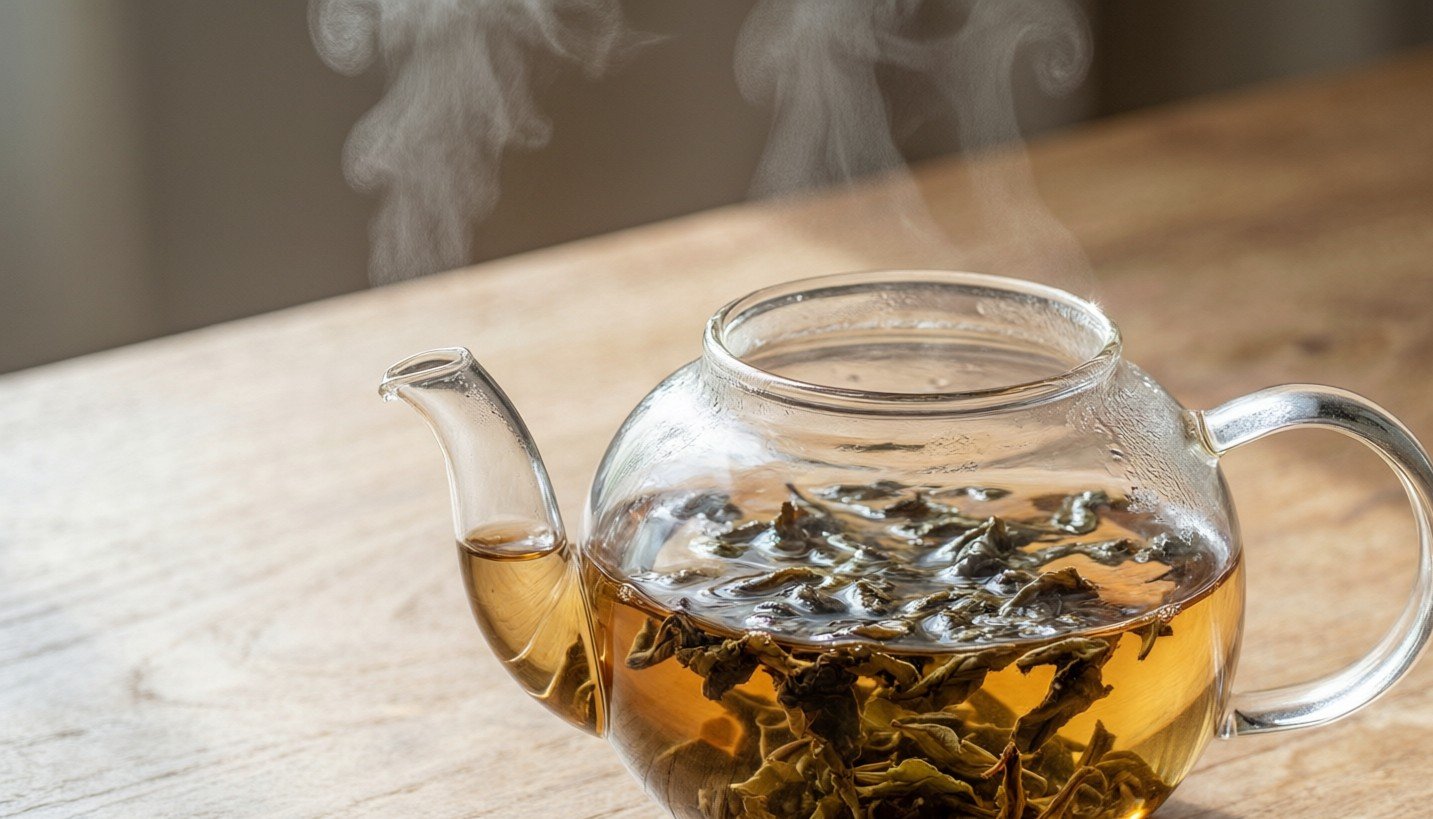
Milanxiang Dancong Is Not a Standard Rolled Oolong
Fenghuang Dancong is a strip-style oolong, not a tightly rolled one. That changes how quickly water penetrates the leaf. Rolled oolongs usually need one or two longer "opening" steeps. Milanxiang Dancong, by contrast, releases flavor almost immediately once the leaves are wet.
It also varies by harvest and roast. Spring batches tend to be greener, lighter-roasted, and more delicate. Autumn and heavily charcoal-roasted batches can handle more heat and often show better with slightly bolder extraction. The brewing numbers below should be treated as a starting range, not a fixed formula, because the correct setting should follow the specific lot [1].
Water Temperature: The Practical Range
For most spring-picked Milanxiang Dancong, start at 90–95°C (194–203°F). This range keeps the honey-orchid top notes intact while still extracting enough body. If the tea is a higher-roast batch or an autumn pick, move up to 95–100°C (203–212°F) during fast gongfu pours.
Three temperature signals to watch:
- Sharp, dry bitterness in the first three seconds of the aftertaste usually means the water is too hot for that lot.
- Thin, flat liquor with strong dry-leaf aroma but little cup fragrance often means the water is too cool.
- Honey sweetness that appears in the second or third sip is a good sign you are in the right range.
Water quality matters as much as temperature. Soft water with low mineral content extracts Dancong's florals more cleanly than hard water, which can mute the top notes and make the texture chalky [1]. If your tap water is hard, use filtered or bottled spring water for brewing.
Tea-to-Water Ratio: Gongfu vs Western Brewing
Gongfu ratio
Use 1 gram of dry leaf for every 15–20 ml of vessel capacity. In practical terms, that means:
- 100–120 ml gaiwan or small teapot: 5–7 g of tea
- 150 ml vessel: 7–9 g of tea
- 70–80 ml gaiwan: 4–5 g of tea
This is a good general starting point for strip-style oolongs [2]. If the lot is finely broken or heavily roasted, start at the lower end of the leaf range. If the leaves are long, whole, and spring-picked, you can lean toward the higher end.
Western-style ratio
For a 250 ml mug or teapot, use 2–2.5 g of dry leaf. Dancong can become harsh if dosed like a strong black tea, so start lighter and increase only if the liquor feels too thin.
Steep Timing: Flash Infusions Beat Long Soaks
Milanxiang Dancong does not improve with a long first steep. The most common mistake is treating it like a rolled oolong and leaving it for 40–60 seconds in the first infusion.
For gongfu brewing:
- Rinse: 2–5 seconds, discard
- First infusion: 5–10 seconds
- Second infusion: 8–12 seconds
- Third infusion: 10–15 seconds
- Later infusions: add 5–10 seconds each round
For Western-style brewing:
- First steep: 60–90 seconds
- Second steep: 90–120 seconds
- Third steep: 2–3 minutes
The liquor should pour bright golden-amber or light orange. If it is dark mahogany on the first infusion, the leaf was probably steeped too long or dosed too heavily.
Step-by-Step Gongfu Brewing Method
Step 1: Pre-warm the vessel
Pour hot water into the gaiwan or small teapot, then empty it. A warm vessel prevents the first pour from losing too much heat before extraction begins.
Step 2: Add the leaf
Use 5–7 g for a 100–120 ml gaiwan. After adding the dry leaf, put the lid on and shake gently once. Warm, dry leaf releases its aroma immediately.
Step 3: Rinse fast
Add water at your chosen temperature, cover, and pour off within 2–5 seconds. This is a rinse, not a steep. It wakes the twisted leaves and washes away surface dust.
Step 4: Start the first infusion
Pour water along the side of the gaiwan rather than directly onto the leaf. Pouring directly onto the leaves can agitate them and increase early bitterness.
Step 5: Pour completely
Do not leave water sitting in the vessel between infusions. Pour every drop into the pitcher or cup. Residual water continues extracting and will make the next round harsher.
Step 6: Adjust after tasting
If the first cup is floral but slightly thin, add 5 seconds to the next infusion. If it is bitter, shorten the next infusion by 3–5 seconds or drop the water temperature by 2–3°C.
Step 7: Keep the pace moving
Milanxiang Dancong gives its best sequence when infusions follow one another without long pauses. A cooling leaf bed between steeps loses momentum and the next pour may taste flat.
Western-Style Brewing Without the Bitterness
Western-style brewing is less efficient for Dancong, but it still works when the leaf amount is modest.
For a 250 ml teapot or infuser mug:
- Warm the mug or pot.
- Add 2–2.5 g of dry leaf.
- Heat water to 90–95°C.
- Steep for 60–90 seconds.
- Remove the infuser or pour all the liquor out before drinking.
If the tea tastes thin, add another 0.5 g of leaf rather than extending the steep. If it tastes sharp, reduce the water temperature by 3–5°C.
Sourcing Changes More Than Technique
Technique fixes small faults, but it cannot repair flat leaf or uneven roast. When you are buying Milanxiang Dancong in bulk, request the harvest date, roast level, and a cupping note before you commit. A good lot should tolerate fast repeated infusions and still finish sweet.
If you need reliable Milanxiang Dancong sourcing with harvest and roast specifications, contact our tea team at xuansc2144@gmail.com. We can provide cupping guidance and bulk sample sets before you order.
Common Brewing Problems and Fixes
The tea is bitter on the first steep
Shorten the first infusion to 5 seconds or less. Lower the water temperature by 3–5°C. Also check your ratio — too much leaf is more likely to cause bitterness than hot water alone.
The aroma is strong, but the cup tastes weak
The water may be too cool, or the leaf may be under-dosed. Raise the temperature slightly and increase the leaf by 0.5–1 g before extending the steep time.
The tea goes flat after two infusions
Dancong can fade quickly if the leaves were not fully opened. Try a slightly longer rinse and make sure the gaiwan is fully preheated. Low-quality or over-roasted leaf also fades earlier no matter how well it is brewed.
The aftertaste feels dry and chalky
This often comes from hard water or a too-hot final pour. Switch to softer water or reduce the temperature of later steeps.
The liquor is cloudy
Slight cloudiness is normal in early pours, especially from young or lightly processed Dancong. It usually clears after the first two infusions. Persistent cloudiness with a rough texture may indicate a processing or leaf-quality issue.
Source Milanxiang Dancong With Brewing Data
A brewing guide is only as good as the tea it is applied to. We work as Chinese tea suppliers, and we recommend that wholesale buyers treat brewing parameters as part of the specification sheet. Ask for harvest season, roast level, and the producer's suggested gongfu ratio before comparing prices.
For Milanxiang Dancong samples, cupping notes, or bulk sourcing questions, reach us at xuansc2144@gmail.com.
Frequently Asked Questions About Milanxiang Dancong Brewing
Can I use boiling water for Milanxiang Dancong?
You can, but it often works better just below boiling. Spring-picked or lightly roasted lots usually show more honey-orchid fragrance at 90–95°C. Heavily roasted or autumn batches can handle 95–100°C, especially with fast flash infusions.
How much tea should I use in a 100 ml gaiwan?
Start with 5–7 g. For a very light green-style spring batch, use 5 g. For a heavier roast or a more concentrated cup, use 6–7 g. Adjust after the first infusion.
How many infusions can I get?
A good Milanxiang Dancong will usually give 6–10 gongfu infusions, sometimes more. The first three rounds carry the strongest floral lift; later rounds become sweeter and softer. Fading after two or three infusions is usually a leaf-quality or leaf-opening issue.
Why does my Milanxiang Dancong taste bitter?
The most likely causes are too-hot water, too much leaf, or a first steep that lasted longer than 10 seconds. Start with a flash rinse, keep the first infusion short, and pour all liquid out of the vessel between rounds.
Is a quick rinse necessary?
Yes, especially for gongfu brewing. A 2–5 second rinse opens the twisted leaves and prepares them for even extraction. Skip it only if you are using a very fragile, broken leaf grade and want to keep maximum aroma in the first cup.
Can I cold brew Milanxiang Dancong?
Yes. Use about 8 g of leaf per liter of cold water and steep in the refrigerator for 8–12 hours. Cold brewing emphasizes honey sweetness and soft florals while keeping bitterness low.
References
[1] M. L. Heiss and R. J. Heiss, The Tea Enthusiast's Handbook: A Guide to the World's Best Teas, Berkeley, CA: Ten Speed Press, 2010.
[2] K. Gascoyne, F. Marchand, J. Desharnais, and H. Américi, Tea: History, Terroirs, Varieties, 2nd ed., Richmond Hill, ON: Firefly Books, 2014.
[3] Standardization Administration of China, Oolong tea, GB/T 22291-2008, 2008.
No author description available.

白玉京