Lancang Pu-erh Tea Health Benefits: What the Evidence Really Shows
Lancang Pu-erh sits at the intersection of two strong beliefs: that old-tree tea from the Lancang River watershed is special, and that fermented tea is automatically “good for you.” The honest answer is neither a simple yes nor a simple no. Tea does contain bioactive compounds with real research behind them [1], but the jump from “tea contains X” to “this specific tea will improve your health” is often larger than the evidence. This article separates what is measured from what is marketed.
What Lancang Pu-erh Actually Is
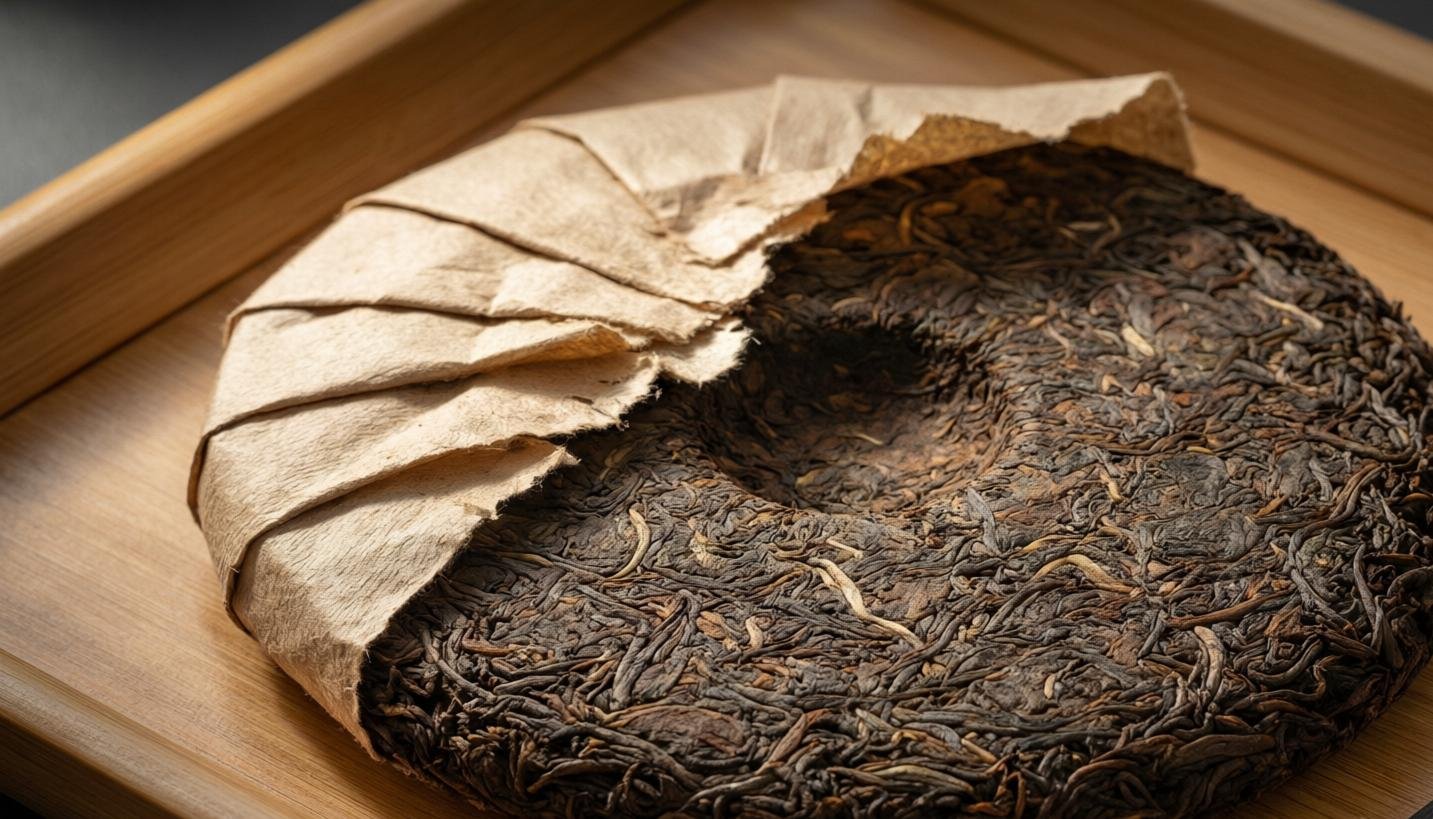
Lancang Pu-erh refers to Pu-erh tea made from the Lancang River watershed, a key part of the broader Lincang and Pu-erh production belt in Yunnan. The name signals origin more than processing method. Within that origin, a buyer can find raw sheng Pu-erh, ripe shou Pu-erh, plantation leaf, old-tree material, and aged cakes.
The region matters for two reasons. First, Lancang-area tea commonly uses the large-leaf Yunnan assamica cultivar, which carries a thicker leaf, deeper bitterness, and the dense mouthfeel that Pu-erh drinkers associate with aging potential. Second, “Lancang” is not a protected health claim or a quality grade on its own. One Lancang cake may be clean, well-stored, and traceable; another may be low-grade leaf with a scenic label. When people ask whether Lancang Pu-erh is good for you, the answer always depends on the actual tea in the cup.
Benefits: What the Evidence Shows
Most controlled research on tea has studied green tea extracts or isolated polyphenols, not a single regional Pu-erh. The table below follows what the evidence can and cannot support.
| Claim | What the evidence shows | Practical read |
|---|---|---|
| Antioxidant and cell-protective activity | Tea polyphenols including catechins show antioxidant and anti-inflammatory effects in laboratory and animal studies, with consistent but indirect human support [1]. | A quality brew adds polyphenols to the diet, but tea is not a concentrated supplement. |
| Cholesterol and blood lipids | Meta-analyses of green tea show modest reductions in total and LDL cholesterol in some trials [2]. Pu-erh-specific human data are thinner. | Reasonable within an overall diet; not a replacement for medical treatment. |
| Weight management | A Cochrane review found only a small and not clinically reliable effect across green tea trials [3]. | Do not rely on Lancang Pu-erh alone for meaningful weight change. |
| Gut microbiota | Tea polyphenols and fermented dark-tea compounds can shift gut microbial composition in lab models [4]. | Encouraging mechanism, but limited direct health-outcome proof. |
| Natural statin-like compounds | Some Pu-erh fermentation work has identified lovastatin-like compounds in the finished tea [5]. | An interesting lab finding, not proof of LDL lowering in daily drinkers. |
| Alertness and focus | Caffeine improves alertness and mental performance at typical intakes [6]. | Real effect, but dose-dependent and sensitive to personal tolerance. |
| Blood sugar and insulin | A meta-analysis of green tea trials suggests modest improvement in some glucose and insulin markers [7]. | Preliminary support; not a treatment. |
Most of these findings used green tea extracts or controlled laboratory conditions. A specific Lancang cake’s leaf age, storage history, fermentation level, and brewing ratio change how much of any compound actually reaches the cup. That is why “contains” should never be read as “treats.”
Ripe vs. Raw Lancang Pu-erh: Does Fermentation Change the Health Profile?
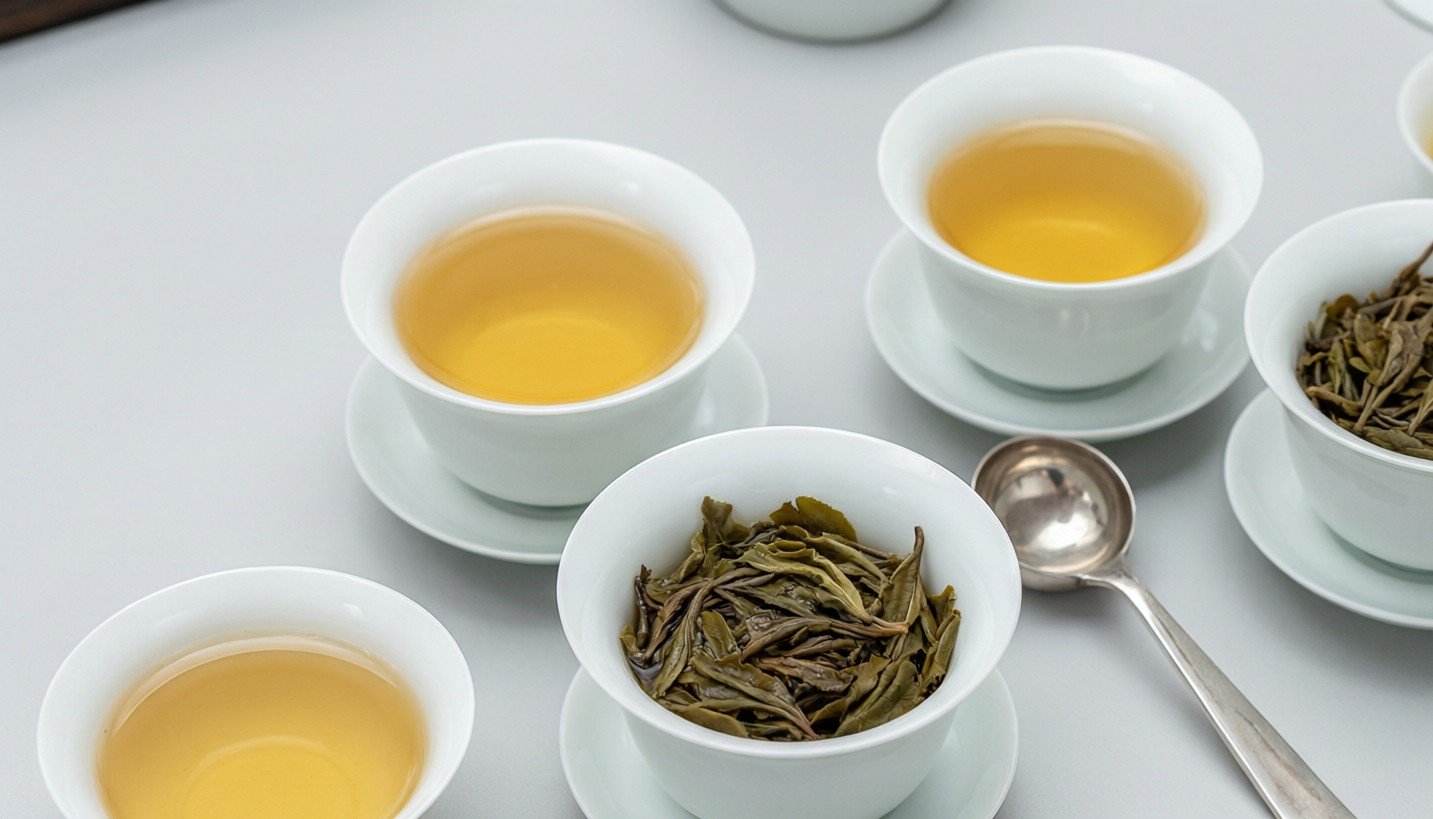
Raw Lancang Pu-erh is closer to a strong, slowly aged green tea. It keeps more intact catechins early in life and can be quite astringent when young. Ripe Pu-erh goes through wo dui, a controlled microbial fermentation that darkens the leaf, softens the bitterness, and generates different compounds such as theabrownins and, in some analyses, small amounts of statin-like substances [5].
Neither style has a clear human-data victory. Raw tea shares more chemical ground with green tea research, so its polyphenol story is easier to trace. Ripe tea has a more interesting fermentation chemistry, but its unique metabolites have been less studied in long-term human trials. For daily drinking, choose the style you can tolerate well and source from clean storage. A health ranking between raw and ripe Lancang tea should not override leaf quality and personal comfort.
Realistic Limits and Safe Use
For most healthy adults, moderate brewed tea consumption is a reasonable part of the diet. EFSA identifies single doses of caffeine up to 200 mg and habitual intakes up to 400 mg per day as generally safe for healthy adults [6]. Brewed Lancang Pu-erh typically contributes caffeine, fluid, and polyphenols without the concentrated catechin dose found in green tea extracts.
The well-publicized liver concern around green tea catechins applies mainly to high-dose extracts and supplements, not ordinary brewed tea [8]. That said, concentrated Pu-erh or green tea extract pills are not the same product as brewed Lancang Pu-erh and should be used with far more caution.
Three practical cautions matter for regular drinkers:
- Polyphenols in tea can reduce absorption of non-heme iron from plant foods when consumed with meals [9]. Drinking tea between meals avoids most of this effect.
- Pu-erh made from older, lower-grade leaf and brick tea can accumulate fluoride more than young bud tea [10]. Quality young leaf and moderate intake keep exposure lower.
- Poorly stored or damp-stored fermented tea can develop mold and mycotoxin risk [11]. Buy from suppliers that provide moisture and microbial testing.
How Quality and Storage Shape the Health You Get
Clean storage is not a marketing detail; it is a health-safety variable. Brighter, dry-stored Lancang Pu-erh tends to age slowly with more freshness. Damp-stored tea can develop the musty notes some collectors prize, but it also carries a higher risk of unwanted fungal growth and off-flavors [11]. Professional buyers therefore treat Lancang Pu-erh as a sourcing decision as much as a wellness choice.
If you are comparing current Lancang lots, request batch-level test documentation and avoid any lot that smells overtly musty, dusty, or chemically sharp. Need a starting point for harvest-year raw and ripe Lancang samples with lab documentation? Send your target specs and volume to 427728483@qq.com.
Source Verified Lancang Pu-erh Samples
If you are deciding whether Lancang Pu-erh fits your line, work from a lab-supported sample set rather than marketing claims.
Email 427728483@qq.com with the following details:
- Target form: loose maocha, 357 g cake, dragon ball, or tuo
- Material preference: plantation, old tree, ancient tree, or organic-certified
- Harvest year and sub-region: Jingmai, Mangfei, Bangwei, or another Lancang/Lincang origin
- Volume: sample set, private-label order, or wholesale lot
Our team responds with current availability, lab test documentation, and wholesale pricing.
FAQ
Is Lancang Pu-erh actually good for you?
For most healthy adults, drinking cleanly sourced Lancang Pu-erh as an unsweetened beverage is a reasonable daily habit. It provides fluid, caffeine, and tea polyphenols. What it does not provide is a guaranteed disease-prevention effect.
Does ripe or raw Lancang Pu-erh have more health benefits?
There is no clear winner in human evidence. Raw tea is chemically closer to green tea and its polyphenol research. Ripe tea’s fermentation produces different compounds, but fewer long-term human trials have examined them specifically.
Can Lancang Pu-erh help me lose weight?
The weight-management evidence for tea is small and inconsistent [3]. Lancang Pu-erh may support a low-calorie beverage routine, but it should not be treated as a stand-alone weight-loss method.
Does aged Lancang Pu-erh become healthier as it ages?
Aging changes flavor, color, and chemistry, but “older equals healthier” is not well proven. What matters more is whether the tea was stored cleanly throughout its age.
Is Lancang Pu-erh safe during pregnancy?
Pregnant women should limit caffeine and discuss tea intake with their healthcare provider. Brewed tea is generally safer than concentrated tea extracts, but individual medical guidance should guide the final decision.
Can Lancang Pu-erh interfere with iron absorption or medication?
Tea polyphenols can reduce absorption of non-heme iron when consumed with meals [9]. Drinking tea between meals helps. If you take regular medication, ask a pharmacist whether high-polyphenol tea should be spaced away from dosing times.
References
[1] C. S. Yang, X. Wang, G. Lu, and S. C. Picinich, “Cancer prevention by tea: animal studies, molecular mechanisms and human relevance,” Nature Reviews Cancer, vol. 9, no. 6, pp. 429–439, 2009.
[2] X. X. Zheng, Y. L. Xu, S. H. Li, et al., “Green tea intake lowers fasting serum total and LDL cholesterol in adults: a meta-analysis of 14 randomized controlled trials,” American Journal of Clinical Nutrition, vol. 94, no. 2, pp. 601–610, 2011.
[3] T. M. Jurgens, A. M. Whelan, L. Killian, et al., “Green tea for weight loss and weight maintenance in overweight or obese adults,” Cochrane Database of Systematic Reviews, no. 12, CD008650, 2012.
[4] H. Sun, Y. Chen, M. Cheng, et al., “The modulatory effect of polyphenols from green tea, oolong tea and black tea on human intestinal microbiota in vitro,” Journal of Food Science, vol. 83, no. 9, pp. 2268–2275, 2018.
[5] K. C. Jeng, C. S. Chen, Y. P. Fang, et al., “Effect of microbial fermentation on content of statin, GABA, and polyphenols in Pu-erh tea,” Journal of Agricultural and Food Chemistry, vol. 55, no. 21, pp. 8787–8792, 2007.
[6] EFSA Panel on Dietetic Products, Nutrition and Allergies, “Scientific opinion on the safety of caffeine,” EFSA Journal, vol. 13, no. 5, p. 4102, 2015.
[7] K. Liu, R. Zhou, B. Wang, et al., “Effect of green tea on glucose control and insulin sensitivity: a meta-analysis of 17 randomized controlled trials,” American Journal of Clinical Nutrition, vol. 98, no. 2, pp. 340–348, 2013.
[8] EFSA Panel on Food Additives and Nutrient Sources added to Food, “Scientific opinion on the safety of green tea catechins,” EFSA Journal, vol. 16, no. 4, p. 5239, 2018.
[9] R. F. Hurrell, M. Reddy, and J. D. Cook, “Inhibition of non-haem iron absorption in man by polyphenolic-containing beverages,” British Journal of Nutrition, vol. 81, no. 4, pp. 289–295, 1999.
[10] E. Malinowska, I. Inkielewicz, W. Czarnowski, and P. Szefer, “Assessment of fluoride concentration and daily intake by human from tea and herbal infusions,” Food and Chemical Toxicology, vol. 46, no. 3, pp. 1055–1061, 2008.
[11] I. Sedova, M. Kiseleva, and V. Tutelyan, “Mycotoxins in tea: occurrence, methods of determination and risk assessment,” Toxins, vol. 10, no. 11, p. 444, 2018.
No author description available.

白玉京