Jinguanyin Tea Brewing Guide: Temperature, Ratio & Timing
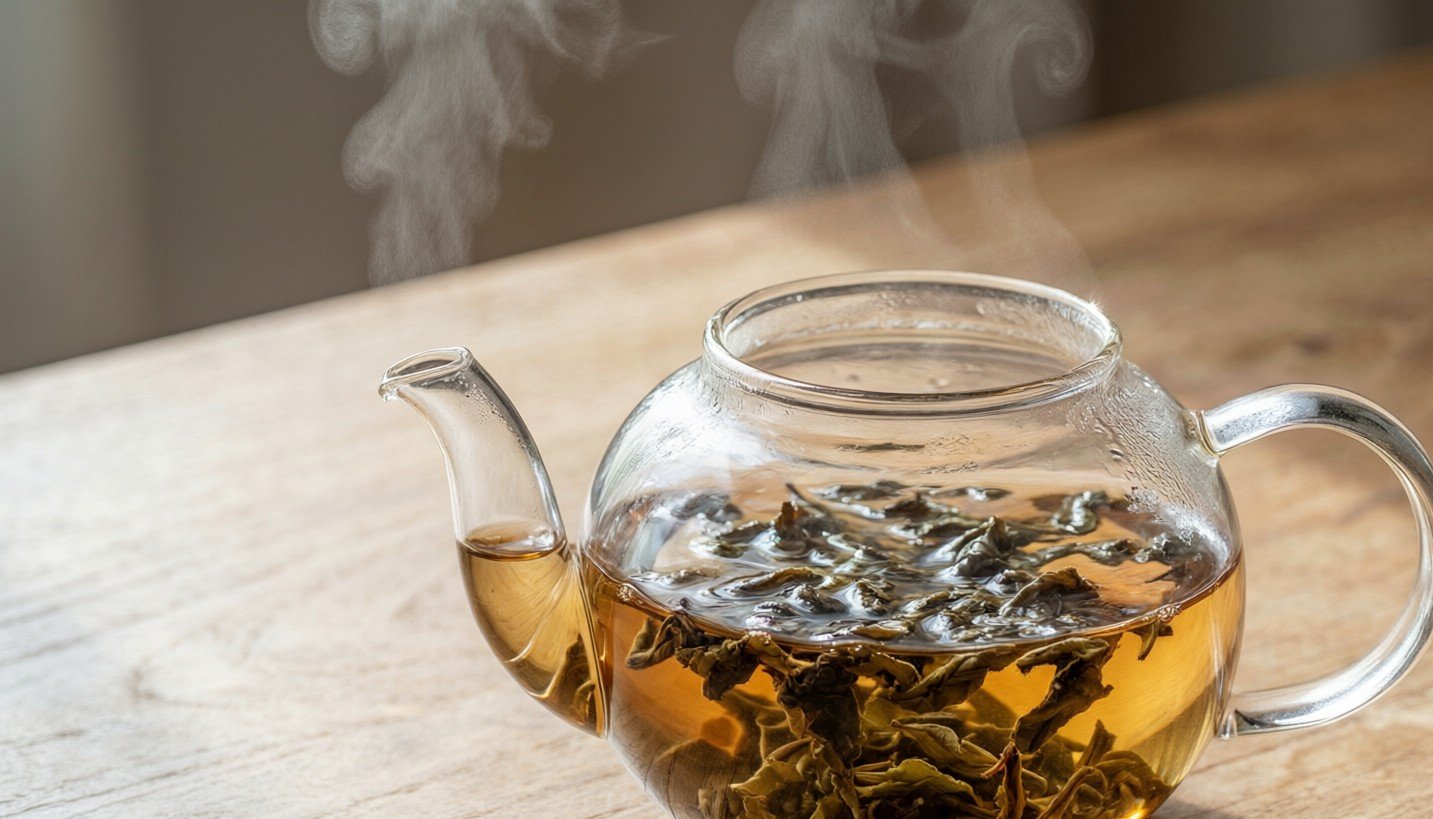
Jinguanyin, often sold as Golden Guanyin, is a Fujian oolong cultivar bred from Tieguanyin and Huangdan. Depending on the producer, the leaves may be lightly oxidized and tightly rolled, or given a medium roast that pushes the aroma toward roasted stone fruit and honey. In both cases, the brewing logic is the same: Jinguanyin gives its best cup when you control three variables—water temperature, leaf-to-water ratio, and steep timing—instead of letting the leaves sit in hot water until the pot cools. This guide lays out parameters that work across home brewing, cupping, and wholesale sample evaluation.
What Jinguanyin Tea Actually Needs
Jinguanyin is an oolong, and oolong leaves are built differently from green tea or black tea. The leaves are usually semi-oxidized, which means their aromatic compounds and caffeine release best at temperatures close to boiling. If the water is too cool, the cup turns flat and watery because the heavier floral and roasted notes never fully open. If the water is boiling and the steep is too long, the same leaves can turn sharply bitter.
A reliable starting point is 95–100°C (203–212°F). For lightly oxidized, green-leaning Jinguanyin, 95°C is often enough. For medium-roasted or more heavily oxidized batches, 100°C is usually the better choice. Soft or low-mineral water tends to produce a cleaner, more fragrant cup. If your tap water is hard, a simple carbon filter can remove some of the off-notes that flatten high-aroma oolongs.
Leaf-to-Water Ratio and Vessel Size
The ratio matters more than the vessel. Too much leaf in a small gaiwan and the liquor becomes concentrated, soapy, or bitter; too little leaf and you lose the signature Jinguanyin floral-lacquer finish.
The table below is a practical starting point. Treat it as a baseline to adjust by taste, grade, and roast level.
| Brewing method | Leaf | Water | Temperature | First steep |
|---|---|---|---|---|
| Gaiwan (gongfu) | 5–7 g | 100–120 ml | 95–100°C (203–212°F) | 15–20 seconds |
| Small teapot | 6–8 g | 150–180 ml | 95–100°C | 20 seconds |
| Western mug | 2–3 g | 250–300 ml | 95°C | 2 minutes |
For gongfu brewing, a ratio of roughly 1:15 to 1:20 leaf to water works well for most rolled Jinguanyin. If you are cupping a new wholesale lot, use the same ratio every time so the comparison remains consistent across samples.
Rinse and Steep Timing
Jinguanyin leaves are frequently rolled or partially rolled, so a quick rinse helps them open before the first real steep. Pour just enough hot water to cover the leaf, let it sit for 2–5 seconds, and discard the rinse. This step is not about cleaning; it primes the leaf and shortens the time it takes for the first infusion to develop body.
After the rinse, use quick, controlled steeps for gongfu brewing. A common sequence is:
- First infusion: 15–20 seconds
- Second infusion: 20–25 seconds
- Third infusion: 25–30 seconds
- Later infusions: add 10–15 seconds each round
Most quality Jinguanyin will hold up through 6–8 infusions, with the aroma shifting from high floral notes in the early steeps to softer sweet-and-roasted notes in the later rounds. When the leaf begins to taste vegetal or thin, it is finished. Decant each infusion completely; leaving water in the bottom of a gaiwan keeps extracting the leaf and can make the next steep bitter.
Brewing Methods Step by Step
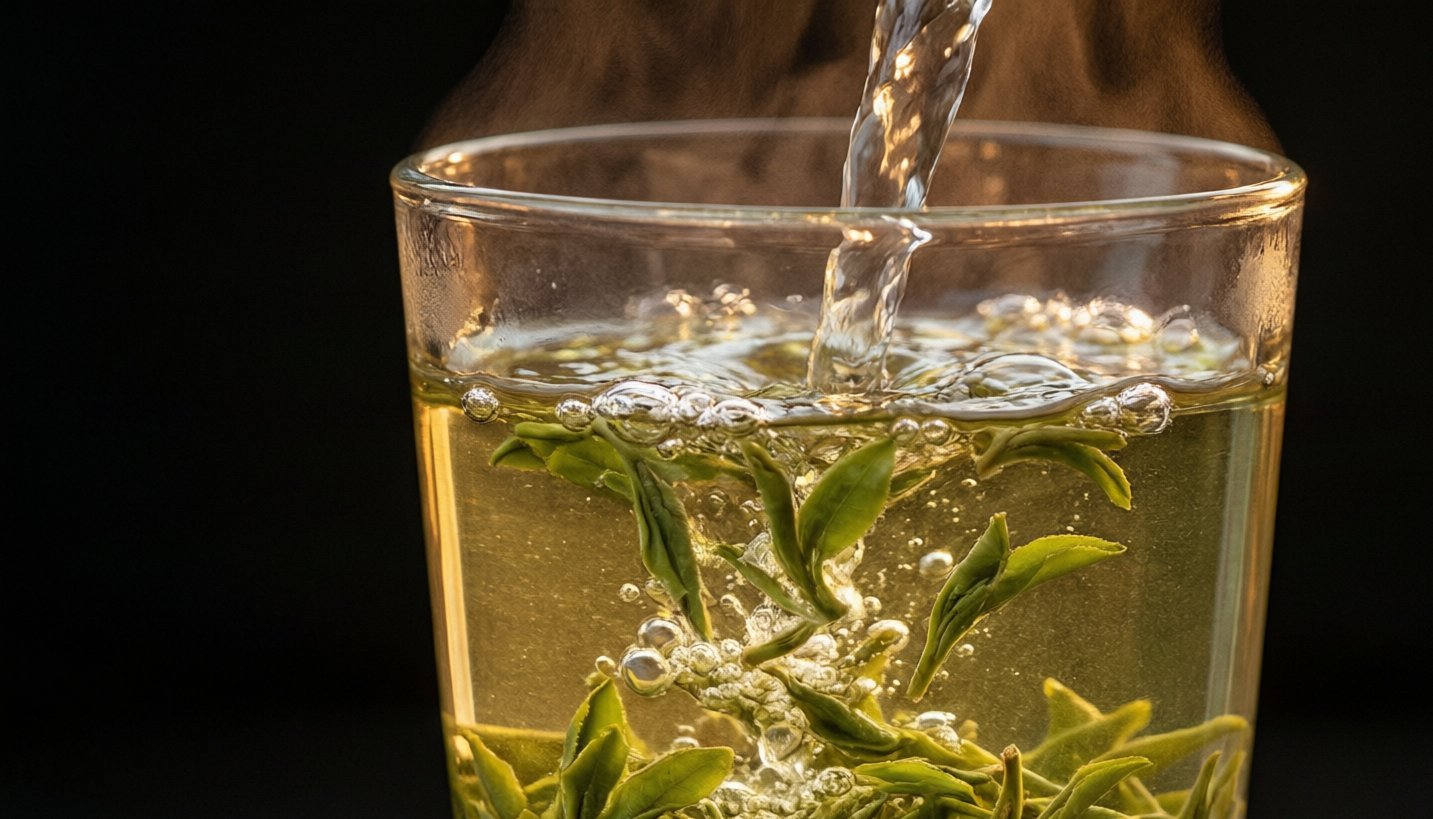
The step sequence changes slightly by vessel, but the principle stays the same: high temperature, short contact time, full separation of leaf and liquor.
Gongfu with a Gaiwan
- Warm the gaiwan and cup with hot water, then discard.
- Add 5–7 g of Jinguanyin to the gaiwan.
- Pour water at 95–100°C along the inside wall, not directly onto the leaf.
- Rinse for 2–5 seconds and discard.
- Steep for 15–20 seconds, then pour every drop into a fair cup or directly into cups.
- Increase time gradually as described above.
Small Teapot
A small clay or porcelain teapot works well for Jinguanyin, especially for medium-roasted batches. Use 6–8 g for a 150–180 ml pot. Keep the lid off between infusions so the leaves do not cook from trapped heat. Pour the liquor out fully each time.
Western Style
For a large mug or western teapot, use less leaf and longer time. Add 2–3 g per 250–300 ml and steep for about 2 minutes. If the cup is too light, add leaf rather than extending the steep dramatically. A basket infuser or large strainer gives the rolled leaves room to expand, which improves extraction.
Common Mistakes That Flatten or Bitter the Cup
Several failures repeat with Jinguanyin, especially when brewers treat it like green tea.
- Water that is not hot enough leaves the cup thin and missing the floral center.
- Overpacking the vessel pushes bitterness before the aroma has time to develop.
- Steeping too long, particularly in the first two infusions, turns the liquor harsh.
- Not decanting the last drops of each infusion leads to uneven later steeps.
- Hard or strongly mineralized water can dull the high notes.
- Stale leaf stored in open air can lose its aroma within weeks.
If a batch tastes persistently bitter even at 15 seconds, drop the temperature to 90–95°C and reduce leaf slightly before adjusting time.
Need a consistent wholesale source for Jinguanyin? Brewing parameters matter at the cupping stage too. Contact Chinese tea suppliers at 427728483@qq.com for current-harvest samples, batch cupping notes, and bulk pricing by grade.
Storage: Keeping the Leaf Brewable
Jinguanyin is an aromatic oolong, so storage is part of brewing. Keep the leaf airtight, cool, dry, and away from direct light and strong odors. Vacuum-sealed packages hold their freshness much longer than open bags. Once opened, most lightly oxidized Jinguanyin is best finished within two to three months, while medium-roasted batches can last somewhat longer if kept sealed between uses.
Do not refrigerate an open package unless it is very tightly sealed and you can let it come fully to room temperature before opening; condensation is a fast way to flatten an oolong. For wholesale storage, keep lots in clean, odor-free conditions and record the harvest date on every sample.
Source Jinguanyin Tea for Retail or Wholesale
Whether you need loose leaf for a tea program, private label packaging, or bulk Jinguanyin by grade and harvest, Chinese tea suppliers can provide lot-specific samples, cupping notes, and flexible order quantities. Contact 427728483@qq.com to discuss your target profile, MOQ, and shipping requirements.
Frequently Asked Questions
What temperature should I use for Jinguanyin tea?
Use 95–100°C (203–212°F) as a starting point. Lightly oxidized, green-leaning batches often brew well at 95°C, while medium-roasted Jinguanyin usually opens better at 100°C.
How many times can I re-steep Jinguanyin?
Most quality Jinguanyin holds up through 6–8 short gongfu infusions. The first steeps show floral and aromatic notes, while later steeps shift toward softer sweet and roasted tones.
Should I rinse Jinguanyin leaves before brewing?
For gongfu brewing, a quick 2–5 second rinse is useful because it helps rolled leaves begin opening. It is not strictly necessary for western-style brewing, but it does not hurt when done quickly.
Can I brew Jinguanyin western style?
Yes. Use about 2–3 g per 250–300 ml and steep for about 2 minutes. Adjust by adding leaf rather than dramatically lengthening the steep.
Why does my Jinguanyin taste bitter?
Bitter Jinguanyin usually comes from too much leaf, water that is too hot for that specific batch, too long a steep, or incomplete decanting. Try shortening the first steep to 15 seconds and reducing leaf slightly.
How long does opened Jinguanyin stay fresh?
Once opened, most lightly oxidized Jinguanyin is best finished within two to three months if kept airtight and away from light, moisture, and strong odors. Vacuum-sealed packages keep longer before opening.
No author description available.

白玉京