Huangshan Tea Compared: What Wholesale Buyers Actually Get
Huangshan Maofeng earns attention from wholesale tea buyers for a practical reason: it delivers a balanced, named-origin green tea profile without carrying the heaviest marketing premium in the Chinese green tea category. This comparison maps Huangshan tea against West Lake Longjing, Dongting Biluochun, and Anji Baicha across flavor, leaf shape, grading, and realistic use case. It is written for importers, café buyers, and retail developers who need to choose volumes, not just tasting samples. [1][2]
What Huangshan Tea Actually Is
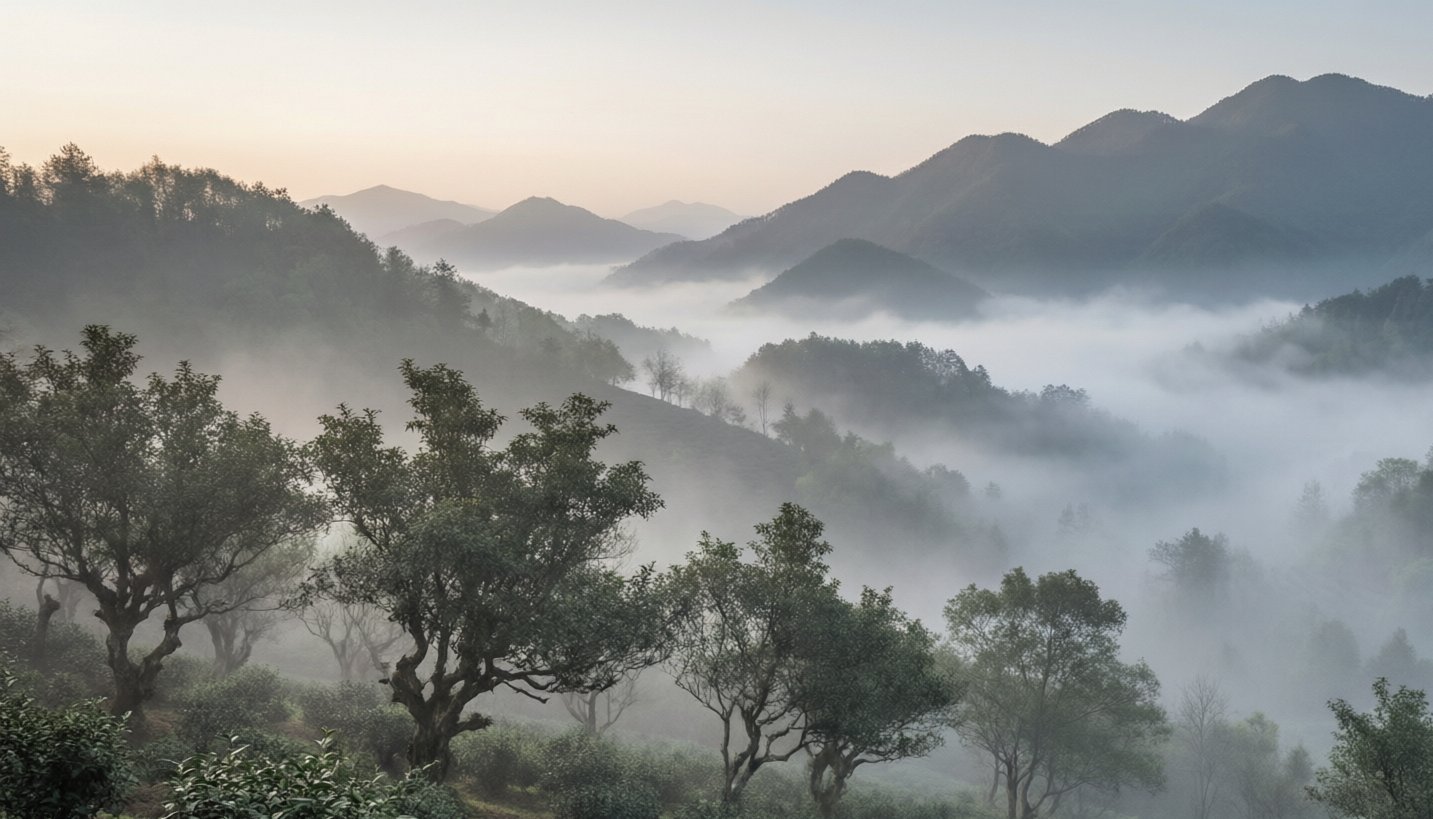
Huangshan Maofeng is a green tea produced in the Huangshan, or Yellow Mountain, area of southern Anhui province. The national standard GB/T 19460-2008 ties the name to that origin and sets requirements for sensory quality, physical and chemical indicators, and grade structure. [1]
The leaf is typically picked as one bud with one or two young leaves, then finished through fixation, rolling or shaping, and drying. The result tends to show an orchid-like or steamed-chestnut aroma, a soft and clean mouthfeel, and a pale green to bright yellow-green liquor. There is usually a light sweetness in the aftertaste, but the tea is less aggressively vegetal than some other spring greens.
For importers, one point matters more than the tasting note: Huangshan Maofeng occupies a useful middle position. It carries a recognizable origin story and designated grade system, yet its supply base is generally broader than West Lake Longjing’s core production area. That combination can make it a dependable house green-label option when the goal is consistency across containers rather than a single prestige lot. [1][2]
Flavor and Leaf: How Huangshan Compares to the Alternatives
Comparison cupping should follow a consistent preparation method, such as the controls described in ISO 3103, so that differences in leaf shape, water temperature, and steeping time do not get mistaken for differences in tea quality. [3]
| Attribute | Huangshan Maofeng | West Lake Longjing | Dongting Biluochun | Anji Baicha |
|---|---|---|---|---|
| Origin | Southern Anhui, Huangshan area | Hangzhou, Zhejiang | Suzhou, Jiangsu | Anji County, Zhejiang |
| Leaf shape | Slightly curled, downy bud with one or two leaves | Flat, sword-like | Tightly curled, heavily downy | Needle-like or slender, pale jade |
| Aroma | Orchid, steamed chestnut, fresh | Roasted chestnut, beany, floral | Intense floral and fruity, often peachy | Fresh, vegetal, light umami |
| Liquor | Pale green to bright yellow-green | Bright yellow-green | Clear light green | Very pale green or near-translucent |
| Mouthfeel | Soft, clean, slight sweet finish | Mellow, nutty, fuller | Delicate, aromatic, almost perfumed | Light, silky, low astringency |
| Wholesale position | Mid-premium, relatively broad supply | Premium with wide price spread | Premium and harvest-sensitive | Specialty and visually distinctive |
West Lake Longjing usually commands the strongest brand recognition among Western buyers, but that recognition also invites a wider quality and price spread. Huangshan Maofeng generally sits below Longjing’s top prestige grades while still offering a named origin and clear standards. [1][4]
Dongting Biluochun provides a bigger aromatic payoff, but that intensity is closely tied to early spring picking. Buyers who need a tea that can be sold as “floral” without relying on a single fragile harvest window often test Huangshan Maofeng alongside Biluochun before committing. [5]
Anji Baicha is technically a green tea, not a white tea, despite the pale leaf and the word “bai” in the name. It works well in modern programs where visual delicacy and low astringency are selling points, but it is less forgiving if the end user brews casually or overextracts. Huangshan Maofeng tends to be more tolerant of everyday brewing conditions.
Wholesale Use Cases and Purchase Considerations
The right alternative depends less on which tea wins a cupping and more on what the buyer needs the tea to do in the market.
| Use case | Strongest fit | Why |
|---|---|---|
| Everyday café hot cup | Huangshan Maofeng | Balanced profile and generally more predictable cost per cup than Longjing |
| Premium retail tin | West Lake Longjing or Biluochun | Strong name recognition and higher perceived gift value |
| Private-label house green tea | Huangshan Maofeng | Origin story without extreme price volatility |
| Delicate tea program or light beverage | Anji Baicha | Pale liquor, subtle flavor, and a modern visual identity |
| Aromatic pairing or special release | Dongting Biluochun | Intense floral and fruity nose that differentiates the menu |
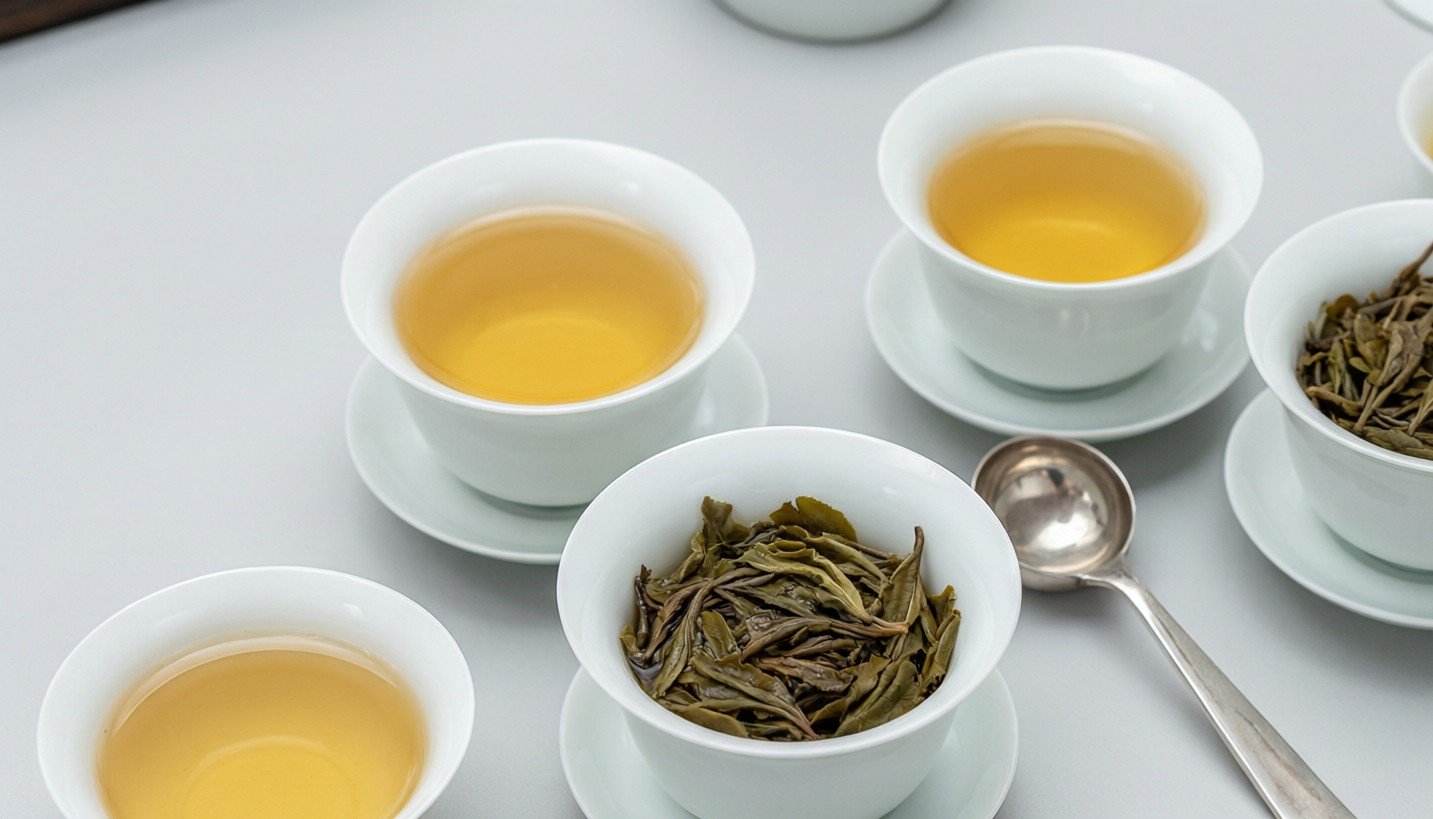
If you are deciding between two or three of these teas, request a side-by-side cupping set from the supplier rather than relying on written flavor descriptions. A 100 g sample of each candidate is usually enough for several blind tastings with your team.
Current lot availability changes by harvest and grade. Send your target grade, volume, packaging type, and destination port to 427728483@qq.com. If you are still narrowing the selection, ask for a cupping set that includes Huangshan Maofeng, Longjing, and Biluochun so the comparison can be made under the same conditions.
Grade, Compliance, and RFQ Checklist
Named-origin green teas are sold by grade, harvest date, and lot number. Before comparing prices, confirm that each quotation is based on the same grade and season; otherwise a special-grade Huangshan Maofeng can appear overpriced next to a lower-grade Longjing, or vice versa. [1][2]
Use this checklist when requesting quotations:
- Ask for the grade under GB/T 19460-2008 for Huangshan Maofeng, and the equivalent named-origin standard for any alternative [1][4][5].
- Require the harvest date and production lot number on the quotation.
- Request a current pesticide residue report that covers the destination market’s maximum residue limits.
- Confirm the leaf grade description, not just the commercial name.
- Ask for moisture content and packing specification, because both affect shelf life and landed cost.
- Request a pre-shipment sample from the actual production lot, not a showroom sample.
- For organic or private-label claims, ask for the certification scope and whether the named batch is covered.
Harvest date often matters more than the brand narrative. Early spring material tends to produce softer texture and more aromatic concentration, while later picks can be more affordable and more robust in blended or flavored applications.
Sourcing Huangshan Tea for Your Next Import
To move from comparison to landed cost, ask for a formal quotation that separates the following items:
- Tea cost by grade and quantity
- Packaging format and any private-label tooling
- FOB or EXW terms and port of loading
- Inspection, testing, and documentation charges
- Estimated shipping weight and volume
That structure makes it easier to compare suppliers without hidden costs distorting the decision. If you need guidance on which grade suits your first order, send your target retail price, volume, and market to 427728483@qq.com. A practical starting point is to order a small cupping set first, then move to a single pallet of one grade before committing to a full container.
Frequently Asked Questions
Is Huangshan Maofeng the same as any tea labeled “Huangshan tea”?
No. “Huangshan tea” can be a loose regional label, while Huangshan Maofeng refers to a specific green tea made in the Huangshan area and defined by GB/T 19460-2008. Buyers should confirm that the grade and standard appear on the supplier’s specification sheet. [1]
How does Huangshan Maofeng differ from Longjing in taste?
Longjing tends to be flatter, nuttier, and more roasted in character, while Huangshan Maofeng is usually softer, more floral, and slightly sweeter. Longjing’s reputation often lifts its price above an equivalent-grade Huangshan Maofeng, but the actual tasting preference depends on the customer. [1][4]
Which grade should a first-time importer choose?
A mid-grade spring pick is often the safest entry point. It provides recognizable Huangshan Maofeng character without the extreme price of the earliest special grades and without the more muted aroma of late-season material.
Does Huangshan tea work for iced tea and cold brew?
It can, but the result tends to be lighter than a strong black tea or roasted oolong. Buyers using it for cold applications usually select clean, spring-picked material and test the dilution before scaling.
What documentation should I request when buying Huangshan tea wholesale?
Request the grade certificate or standard reference, harvest date, lot number, pesticide residue report, moisture content, packing list, and a pre-shipment sample from the actual lot. These documents are especially important when the tea will be sold under a private label.
References
[1] General Administration of Quality Supervision, Inspection and Quarantine of the People’s Republic of China, Product of Geographical Indication—Huangshan Maofeng Tea, GB/T 19460-2008, 2008.
[2] International Organization for Standardization, Green Tea—Definition and Basic Requirements, ISO 11287:2011, 2011.
[3] International Organization for Standardization, Tea—Preparation of Liquor for Use in Sensory Tests, ISO 3103:2019, 2019.
[4] General Administration of Quality Supervision, Inspection and Quarantine of the People’s Republic of China, Product of Geographical Indication—Longjing Tea, GB/T 18650-2008, 2008.
[5] General Administration of Quality Supervision, Inspection and Quarantine of the People’s Republic of China, Product of Geographical Indication—Dongting Biluochun Tea, GB/T 18957-2008, 2008.
[6] General Administration of Quality Supervision, Inspection and Quarantine of the People’s Republic of China, Product of Geographical Indication—Anji Baicha, GB/T 20354-2006, 2006.
No author description available.

白玉京