How to Gift Wuyi Rock Tea (Yancha) Like a Pro: 2026 Guide
Wuyi rock tea, or yancha, is one of the most prestigious oolongs in the world. Its roasted, mineral-driven character is often described by tea professionals as yanyun — the "rocky rhyme" that separates Wuyi teas from softer, floral oolongs. That makes it a superb gift for business partners, tea-obsessed clients, or anyone who appreciates a tea with depth. But gifting yancha well is not just about spending more. It is about knowing the cultivar, reading the grade, checking the roast, and avoiding the kind of packaging that looks expensive while hiding mediocre leaves.
Why Wuyi Rock Tea Is a Gift That Stands Out
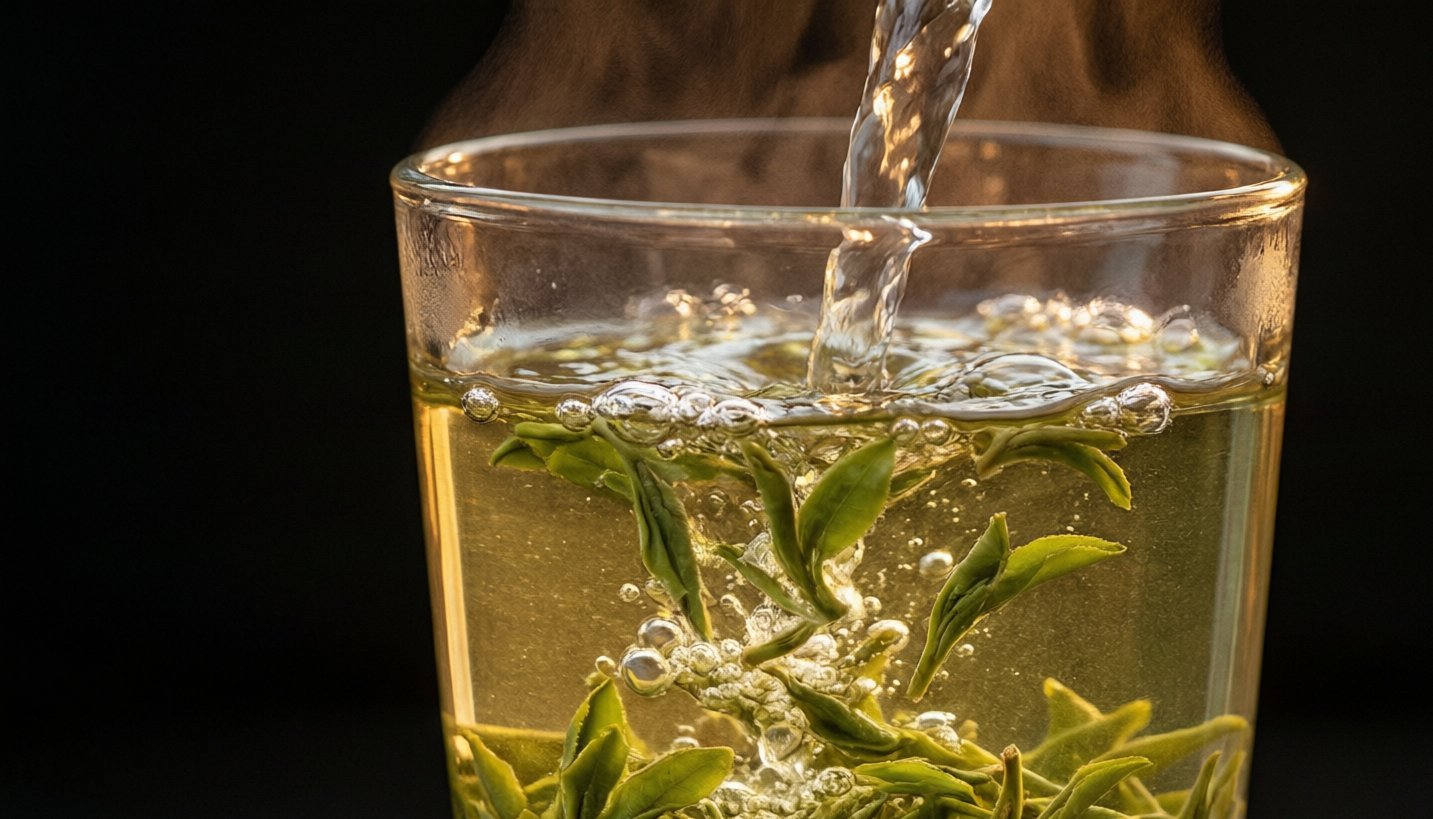
Wuyi rock tea comes from the Wuyi Mountains in northern Fujian, a UNESCO World Heritage site recognized for its dramatic cliffs, river valleys, and long tea-making history [1]. The rocky terrain and humid microclimate contribute to the tea's signature minerality, but the craft matters just as much: repeated charcoal roasting, careful leaf selection, and skilled oxidation control give yancha its layered aroma and long finish.
For gifting, yancha carries symbolic weight. It is more specialized than generic green tea, more universally appreciated than very young raw pu-erh, and more distinctive than a standard black tea gift box. It also tends to hold its character well after opening when stored properly, which makes it a practical gift for recipients who may not drink tea every day.
Choose the Right Cultivar for the Recipient
The phrase "Wuyi rock tea" covers many cultivars, and each has a different personality. Choosing the right one shows that the gift was selected with the recipient in mind.
Da Hong Pao
Da Hong Pao, or Big Red Robe, is the most famous yancha cultivar. Authentic mother-tree Da Hong Pao is effectively unavailable, but commercial Da Hong Pao is usually a blend of Wuyi cultivars shaped to a rich, balanced profile with roasted fruit, cocoa, and stone-fruit depth. It is a safe, prestige-oriented gift for clients who appreciate classic names.
Rougui
Rougui delivers an unmistakable cinnamon-like aroma, often backed by dark stone fruit and a lingering spice note. It works especially well for recipients who enjoy bold roasted flavors or who already drink espresso, whiskey, or heavily roasted oolongs.
Shuixian
Shuixian is broader-leafed, softer-edged, and often more tolerant of heavier roasting. Aged or higher-roast examples develop deep, almost broth-like texture and aged-wood character. Shuixian is an excellent gift for seasoned tea drinkers who value body and aftertaste over immediate aroma.
If the recipient is new to yancha, a mixed sample set that includes Da Hong Pao, Rougui, and Shuixian is often more useful than a single expensive box. It lets them understand the category instead of guessing whether a one-off gift suits their taste.
Read the Grade, Not Just the Name
A professional gift buyer reads past the cultivar name. In Wuyi rock tea, production area matters greatly. The national standard for Wuyi rock tea, GB/T 18745-2006, establishes the product's protected geographical indication status and defines quality parameters [2]. Within the trade, however, buyers also use graded area terms that signal where the leaf is grown.
| Term | Meaning |
|---|---|
| Zhengyan | Core cliff-and-valley area inside the protected scenic zone; often commands the highest price. |
| Banyan | Half-rock or semi-core area; usually good structure at a more moderate price. |
| Zhoucha | Riverside area; can produce clean, pleasant tea with less pronounced minerality. |
These terms are widely used by Wuyi producers and wholesalers, but the label alone does not prove quality. A well-made banyan tea can easily outperform a poorly fired zhengyan lot. The professional approach is to evaluate the roast, leaf integrity, liquor clarity, and aftertaste alongside the area claim.
Check Roast Level, Vintage, and Leaf Condition
Yancha is not static. A heavy roast can be powerful right after firing but may need several months of rest before the aromas settle. A light-roast yancha tends to be more floral and immediate, while medium and higher roasts develop darker fruit, mineral, and spice notes.
When buying a gift, check the roast date, not just the harvest date. If a tea was heavily roasted only a few weeks before gifting, it may still carry a sharpness that masks its best character. Many experienced buyers prefer yancha that has rested after roasting, allowing the liquor to soften and integrate. The label should also show the storage condition and whether the tea has been re-roasted during aging.
Leaf condition matters visually. Good yancha leaf is usually dark, tightly twisted or strip-like, and uniform, without excessive broken stems or dust. After brewing, the spent leaves should be supple and alive, not brittle or muddy. If you are evaluating a wholesale gift lot, always request a brewed sample and compare two or three grades before committing.
If you are sourcing gift sets for brand clients and want help confirming roast date, grade, and standard compliance, email Chinese tea suppliers at 427728483@qq.com for a structured sample set.
Presentation and Packaging Rules That Signal a Pro
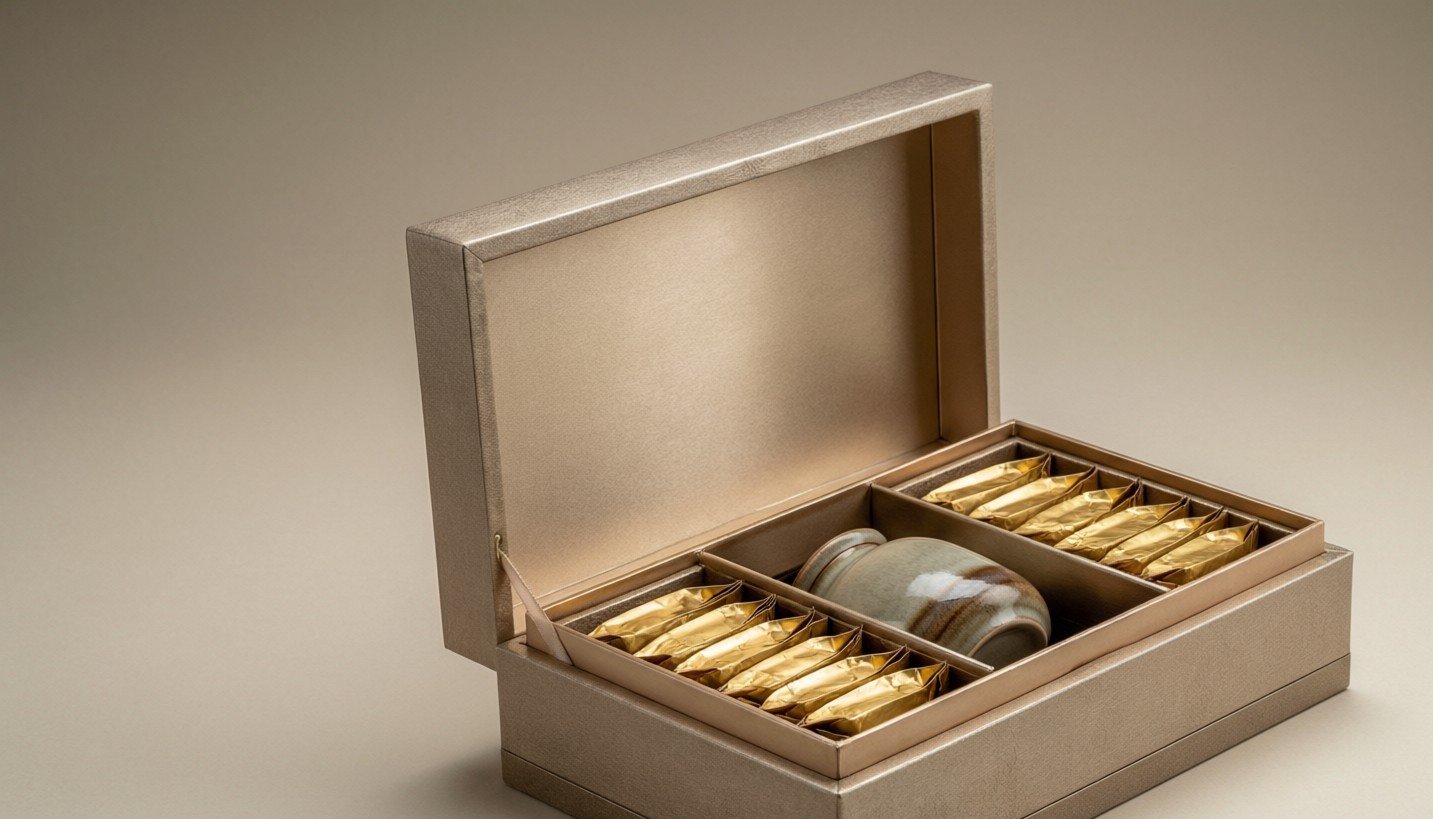
The packaging should protect the tea first and impress second. Yancha is sensitive to air, light, and moisture, so the best gift packaging uses airtight inner packs, opaque outer tins or boxes, and individual 8–10 g serving packs for convenience. Clear glass jars may look elegant, but prolonged light exposure can flatten the tea's aroma.
Gift sets that work well for corporate occasions typically contain 50–250 g of tea in sealed aluminum pouches inside a rigid box. Traditional red, black, or gold presentation remains popular, but the inner seal and roast-date note matter more than the outer decoration. A short card explaining the cultivar, production area, roast level, and brewing method turns a generic box into a curated gift.
Red Flags That Separate a Pro Gift From a Tourist Trap
A few warning signs can save you from overpaying for a brand name. Very cheap "Da Hong Pao" is usually blended from unrelated, lower-cost material or produced outside the protected area. A missing standard number, missing roast date, or vague "Wuyi-style" labeling is a signal to ask more questions. Overly glossy packaging with almost no leaf information often hides ordinary tea.
Also be cautious about extreme claims. Genuine Wuyi rock tea can be exceptional, but no tea cures disease or guarantees a one-of-a-kind experience. A credible supplier should be able to provide brewed samples, production area details, roast information, and compliance documentation. If answers are vague, move on.
Plan a Gift-Grade Sourcing Order
For importers and B2B buyers, the most efficient way to gift Wuyi rock tea is to source in small-batch gift sets from a supplier that already offers grade comparison and packaging options. Ask for the product's GB/T 18745-2006 reference number, cultivar details, production area, roast date, and the outer packaging barrier material. Request a pre-production sample before finalizing the carton design, and agree on inspection criteria for leaf integrity and aroma consistency.
A practical first order may include a mid-range Da Hong Pao gift set, a Rougui-focused option, and a mixed sampler for clients who prefer variety. This covers the most common gifting scenarios without overcommitting to a single style. Chinese tea suppliers can help match the grade level, packaging, and budget to your recipient list.
For wholesale Wuyi rock tea gift sets, sample kits, and private-label packaging, email Chinese tea suppliers at 427728483@qq.com with your quantity, target market, and preferred packaging format.
Frequently Asked Questions
What is the difference between Da Hong Pao and other Wuyi rock teas?
Da Hong Pao is the most famous Wuyi rock tea name, but today it is generally a blended product shaped toward a rich, balanced profile. Other cultivars like Rougui and Shuixian are more specific in aroma and texture. If the recipient already knows tea, a distinctive cultivar can feel more thoughtful. If they are new to yancha, Da Hong Pao's broad appeal is often the safer gift.
Is Wuyi rock tea a good gift for people who do not drink tea daily?
Yes, especially medium-roast examples. Yancha does not demand the precision of a full gongfu session to be enjoyable, but it rewards extra attention. For low-maintenance recipients, choose individual serving packs and provide simple brewing instructions: about 5–8 g of leaf per 150 ml of water at 95–100°C, with short infusions.
Does Wuyi rock tea improve with age?
Many yancha improve or round out with resting, and some higher-roast examples gain depth over years when re-roasted and stored correctly. However, not every lot is made for long aging. Light-roast yancha is usually better consumed fresh, while heavier-roast or properly aged yancha can develop richer texture. Check the supplier's guidance for the specific lot.
How should the recipient store the tea after opening?
Store opened yancha in a sealed, opaque container away from light, heat, strong odors, and humidity. If the gift uses individual serving packs, remind the recipient to keep any remaining packs sealed until use. Avoid refrigerating and then repeatedly opening the tea, as temperature swings can introduce moisture.
References
[1] UNESCO World Heritage Convention, "Mount Wuyi." https://whc.unesco.org/en/list/911/
[2] Standardization Administration of China, GB/T 18745-2006: Product of Geographical Indication — Wuyi Rock Tea.
No author description available.

白玉京