How to Store Wudong Dancong Tea So It Stays Fresh: A Practical Guide
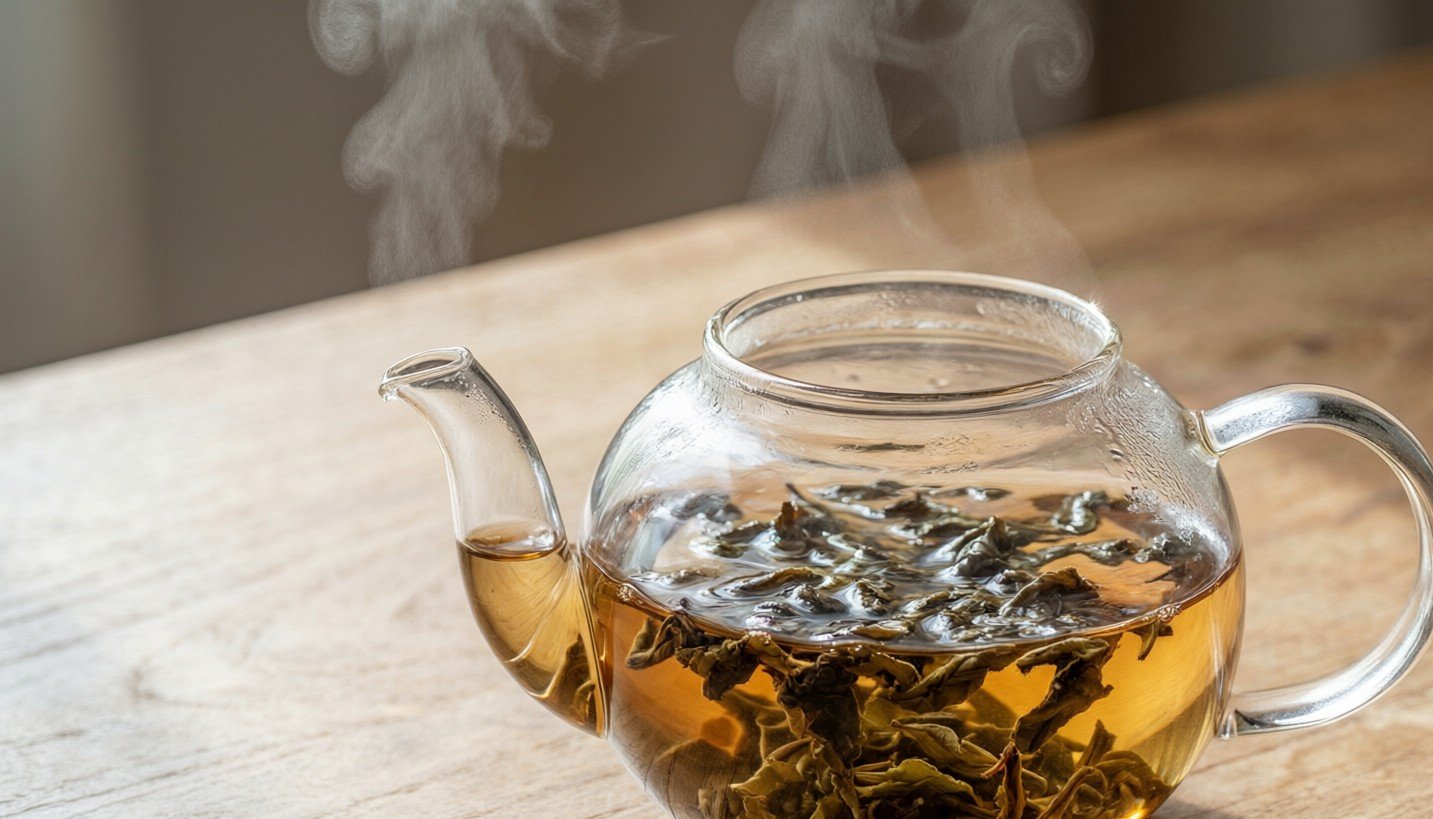
Wudong Dancong tea—often called Phoenix Dancong or single-bush oolong—is one of China’s most aromatic teas. Its leaves carry intense floral, honey, almond, and fruit notes that come from individual tea bush cultivars grown on Wudong Mountain in Guangdong’s Chaozhou region. That aromatic power is exactly why storage matters: the compounds behind the fragrance are delicate. Stored well, the tea can keep its lift for many months. Stored carelessly, a premium Dancong can taste flat within weeks.
Why Wudong Dancong Tea Needs Careful Storage
Dancong sits between green and black tea in oxidation. Many modern Dancong styles are lightly to medium oxidized, with a low final roasting. That style keeps the high floral notes vivid, but it also means the leaves retain more reactive aromatic oils than a heavier roasted oolong or black tea. Oxygen, heat, moisture, and light steadily break down those oils. The result is not necessarily a dangerous tea—it is usually still safe to drink—but it can taste stale, papery, or simply much less aromatic.

High-grade Wudong Dancong also has a strong regional identity. The best lots have a specific mountain feeling—often called shan yun. Once the volatile aromas fade, that sense of place becomes much harder to taste. Good storage is therefore part of protecting value, especially for wholesale buyers, tea shops, and collectors.
The Four Enemies of Fresh Dancong
Understanding what actually damages the tea makes the storage rules easier to remember.
1. Oxygen
Air exposure is the main driver of aroma loss. When Dancong is repeatedly opened, the leaves come into contact with oxygen, which oxidizes delicate fragrance compounds. The tea does not need to be vacuum-sealed like green tea, but it should be opened less often and kept in a tight container after the bag is opened.
2. Moisture
Dry tea is hygroscopic: it pulls moisture from the air. Once the leaf moisture rises too much, the tea can soften, lose its crisp edge, and eventually develop mold. Humidity is a bigger problem in coastal South China—the same region where Dancong is produced—and also in many Western storage rooms, kitchens, and warehouses.
3. Heat and Sunlight
Heat accelerates chemical reactions in the leaf. Sunlight and strong artificial light break down chlorophyll and aromatic compounds. A jar left on a sunny kitchen shelf can stale tea far faster than the same jar stored in a cabinet.
4. Strong Odors
Dancong is extremely good at absorbing nearby smells. Spices, coffee, cleaning products, perfume, or the inside of a wooden cabinet with strong lacquer can all migrate into the leaf. Because Dancong’s aroma profile is so specific, even mild off-odors are easy to notice.
How to Store Wudong Dancong Tea: The Core Rules
These rules apply to both home drinkers and wholesale buyers.
Use an Airtight, Opaque Container
After opening, transfer the tea to a clean, dry container with a tight-fitting lid. Opaque is better than clear because it blocks light. If you prefer a glass jar, keep it inside a closed cabinet.
Store in Small Amounts
Rather than opening one large bulk bag every day, divide the tea into a few smaller airtight packages. Keep one for daily use and the rest sealed. This reduces the number of times the main stock is exposed to air.
Keep It Cool, Dry, and Dark
Choose a cupboard away from the stove, refrigerator vent, dishwasher, and windows. Aim for a stable temperature and low humidity. A slightly warm room is less damaging than a room that swings between hot and cool.
Do Not Refrigerate Dancong by Default
Refrigeration can create condensation when the tea is taken in and out. For most lightly roasted Dancong, the better trade-off is a cool room-temperature cabinet and a small amount of tea in daily rotation. Refrigeration can be useful for long-term storage of very green Dancong in a humid climate, but only when the tea is kept in a truly sealed, moisture-proof package and allowed to return to room temperature before opening.
Need Wudong Dancong that arrives fresh and holds its aroma through storage? Email Chinese tea suppliers at 427728483@qq.com for harvest date, roast date, and packaging guidance before you order.
Best Storage Containers for Dancong
Use a container that seals well, blocks light, and adds no scent of its own.
| Container | Light Protection | Seal | Comments |
|---|---|---|---|
| Double-lid tin canister | Good | Good | A practical default for daily tea |
| Food-grade laminated pouch | Good | Excellent | Best for dividing bulk tea into small batches |
| Glazed ceramic jar | Good | Good | Traditional and attractive, but check the lid seal |
| Opaque glass jar | Good | Good | Fine in a cabinet; avoid windowsill use |
| Clear glass jar | Poor | Good | Only acceptable if kept in a closed cabinet |
| Unlined wooden box | Poor | Variable | Can add wood odor; not ideal for delicate Dancong |
| Ziplock bag | Moderate | Fair | Short-term only after opening |
Short-Term vs Long-Term Storage
Short-Term (1–6 Months)
For tea you will drink or sample regularly, use a small airtight tin or laminated pouch. Open it as little as practical, use a clean dry spoon, and reseal immediately. This keeps the aroma bright through the core freshness window.
Long-Term (6–18 Months)
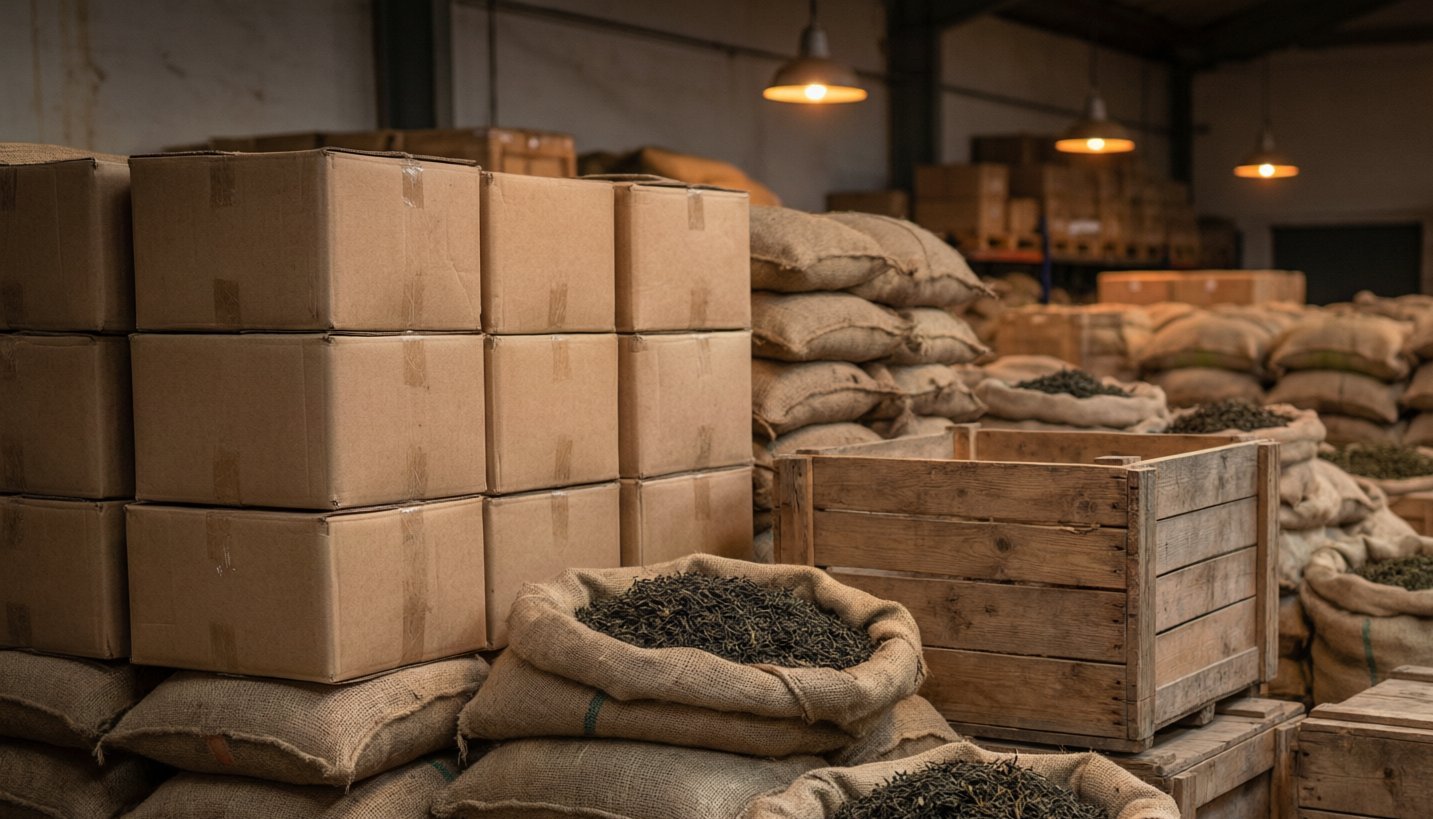
For larger lots, split the tea into sealed, light-proof bags or jars. Store the main supply in a cool, dry, odor-free cabinet or, for very green Dancong in humid conditions, a carefully managed sealed cold-storage setup. Mark each package with the harvest year, cultivar, and roast level so you can rotate stock properly.
Does Wudong Dancong Get Better With Age?
This is where Dancong differs from some dark teas. Most lightly oxidized Dancong is best within the first year or two, when the floral top notes are still clear. Some heavier, traditional charcoal-roasted Dancong can mellow pleasantly with age, gaining a smoother, deeper, more toasty body. However, that is a different experience from the bright, fragrant style most Western buyers associate with Dancong. Unless a lot is specifically sold as aged or roasting-stable, treat it as a fresh aromatic tea, not as a long-aging investment.
Storage Mistakes That Quietly Ruin Dancong
Even experienced tea drinkers make these mistakes:
- Storing the tea next to the stove or kettle, where heat and humidity rise.
- Scooping wet tea from a jar with a spoon that has touched water.
- Leaving a bag open during a cupping or staff training session.
- Using a strongly scented container or cabinet liner.
- Buying a beautiful resealable bag but rolling it closed without pressing the air out.
How to Tell If Stored Dancong Has Gone Flat
A Dancong that is losing freshness often shows these signs:
- The dry leaf fragrance is much weaker than when the bag was first opened.
- The brewed aroma fades quickly after the first infusion.
- The liquor tastes dusty, papery, or hollow rather than floral and sweet.
- The leaves have softened or lost their crisp, slightly glossy appearance.
- There is a sour, wet, or moldy note, which means the tea should be discarded.
If only the top notes have faded and the tea is still clean, it may still work as a base for blends or as a lower-cost daily offering—but it should not be sold as premium fresh Dancong.
Buying Dancong in bulk? Ask your supplier how each lot was roasted and packaged. Email Chinese tea suppliers at 427728483@qq.com for batch-level storage recommendations matched to your retail or wholesale format.
Storage Checklist for Wholesale Buyers
Use this checklist when receiving and storing Dancong for resale:
- Record the harvest date and roast date on the package.
- Inspect the inner bag for punctures or weak seals.
- Move tea from shipping cartons into an odor-free storage area promptly.
- Control humidity and keep the area away from direct sunlight.
- Use first-in, first-out rotation for all fresh aromatic oolong.
- Keep a small open working sample separate from the main sealed stock.
- Train staff to use clean, dry scoops and reseal immediately.
- Periodically cup a stored sample to confirm the aroma is holding.
Frequently Asked Questions
Should I refrigerate Wudong Dancong tea?
For most lightly roasted Dancong, a cool, dry cupboard is the safer daily choice. Refrigeration can help very green Dancong in a hot, humid climate, but the tea must be sealed in a moisture-proof package and brought fully to room temperature before opening to avoid condensation.
How long does Wudong Dancong stay fresh?
Light, floral Dancong is generally at its best within the first year, and often longer if stored cool, dark, and airtight. Heavier charcoal-roasted lots can remain pleasant for two years or more, though the aroma character will change.
Can I store Dancong in the original bag?
If the original bag is opaque, heat-sealed, and has a zip closure, it can work well for the main stock. Once opened, roll the bag down firmly and store it inside a second airtight tin or pouch to limit air exchange.
Is it normal for Dancong aroma to fade?
A slight mellowing is normal. A sharp loss of dry-leaf fragrance, a papery taste, or a rapid drop in cup aroma usually points to air, heat, or moisture exposure.
Can I re-roast flat Dancong at home?
Re-roasting can sometimes revive a clean but flat Dancong, but it requires careful temperature control and can easily scorch delicate leaves. It is not a substitute for proper storage, and it is best left to experienced tea professionals.
Source Fresh Dancong with Storage in Mind
The easiest tea to keep fresh is a tea that was handled well before it reached you. When you source Wudong Dancong, ask for the harvest season, roast level, and packaging date—then match your storage method to the lot.
Email Chinese tea suppliers at 427728483@qq.com with your volume, aroma profile, and packaging requirements. We can help you find Wudong Dancong lots that suit your market and arrive with the freshness your customers expect.
No author description available.

白玉京