How to Store Liu Bao Tea So It Stays Fresh: 7 Rules
Most storage advice for Liu Bao tea gets the first question wrong. Liu Bao is not a green tea that must be drunk young; it is a post-fermented dark tea from Wuzhou, Guangxi, with its own product standard [1]. Its value depends on slow microbial activity and enzymatic change, which continue for years after pressing and packing [2]. The storage goal is therefore not to freeze the tea in time. The goal is to keep the leaf stable enough that it can age without absorbing moisture, growing mold, or picking up outside odors.
1. Liu Bao Tea Does Not Belong in the Refrigerator
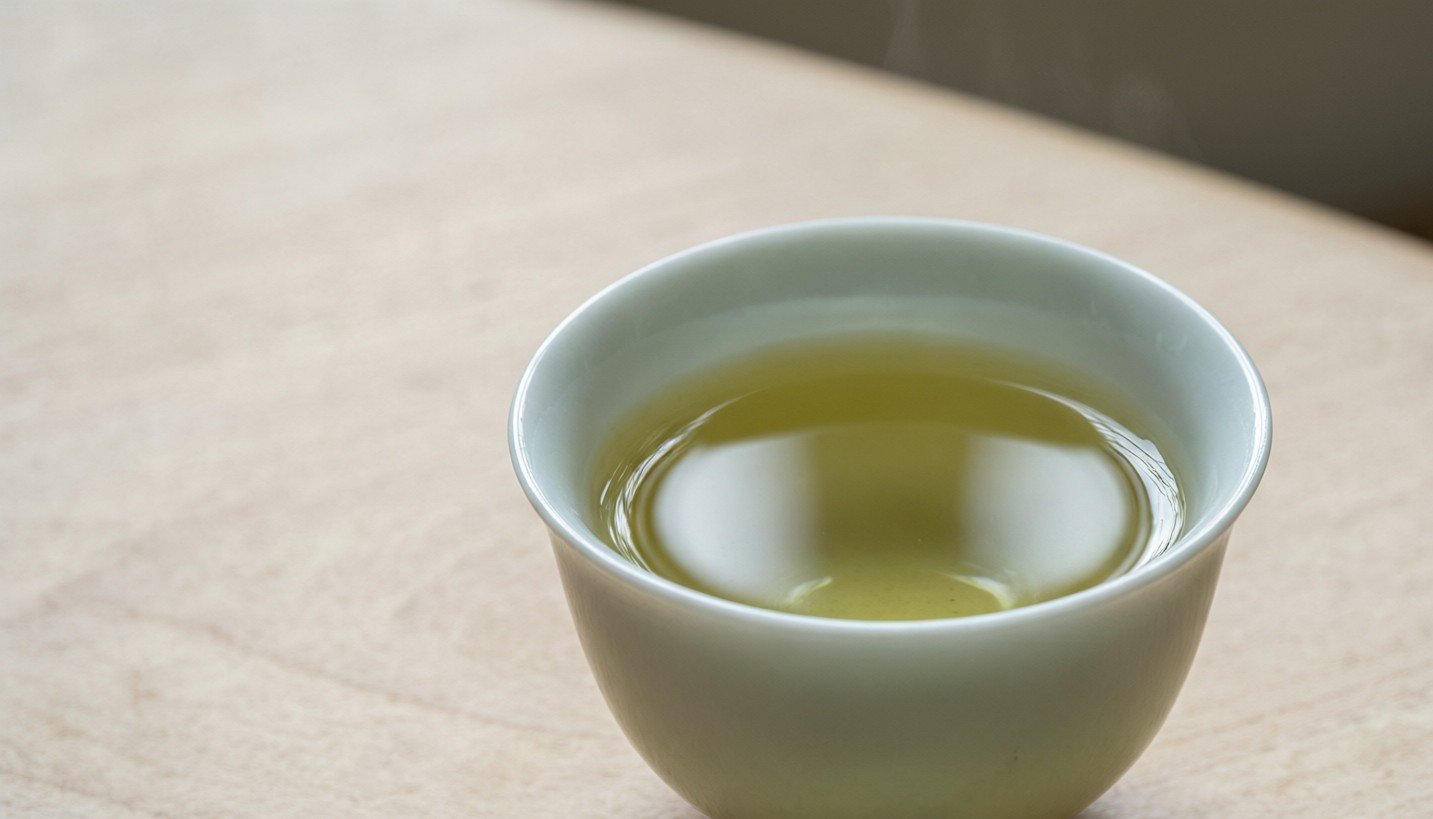
Refrigeration helps slow oxidation in fresh green teas and some lightly oxidized oolongs. Liu Bao tea works against that logic. It is a dark tea that develops through controlled, low-moisture fermentation and aging, and cold storage interferes with the conditions it needs to mature [2]. Worse, moving tea in and out of a refrigerator creates condensation. Once the leaf surface warms, moisture can push the tea above safe moisture levels and encourage mold.
General tea storage rules classify dark tea differently from green tea and do not recommend refrigerated storage for this category [3]. If you live in a hot, humid climate, the better tools are a dehumidifier, a cool interior room, and a sealed odor-free container. If you need to slow aging temporarily, lower the humidity rather than dropping the temperature.
2. The Four Enemies: Moisture, Heat, Light, and Odor
Liu Bao tea fails most often because one of four conditions gets out of control.
Moisture. Tea is hygroscopic, meaning it absorbs water from the air. When Liu Bao leaf moisture climbs back above roughly 10%, the risk of mold and off flavors increases sharply [1][2]. This is why ambient humidity matters more than almost any other storage variable.
Heat. Prolonged heat accelerates the loss of volatile aromas and can push oxidation too fast. Storage rules for general tea transport and warehousing keep temperatures moderate rather than hot [3].
Light. Ultraviolet light degrades lipids and pigments in tea leaves, producing flat, stale aromas. Liu Bao should sit in dark or near-dark conditions.
Odor. Dry tea absorbs surrounding smells quickly, especially from spices, coffee, cleaning products, fuel, and damp basements. Once a musty or chemical note enters the leaf, it is difficult to remove.
3. Storage Parameters That Actually Work
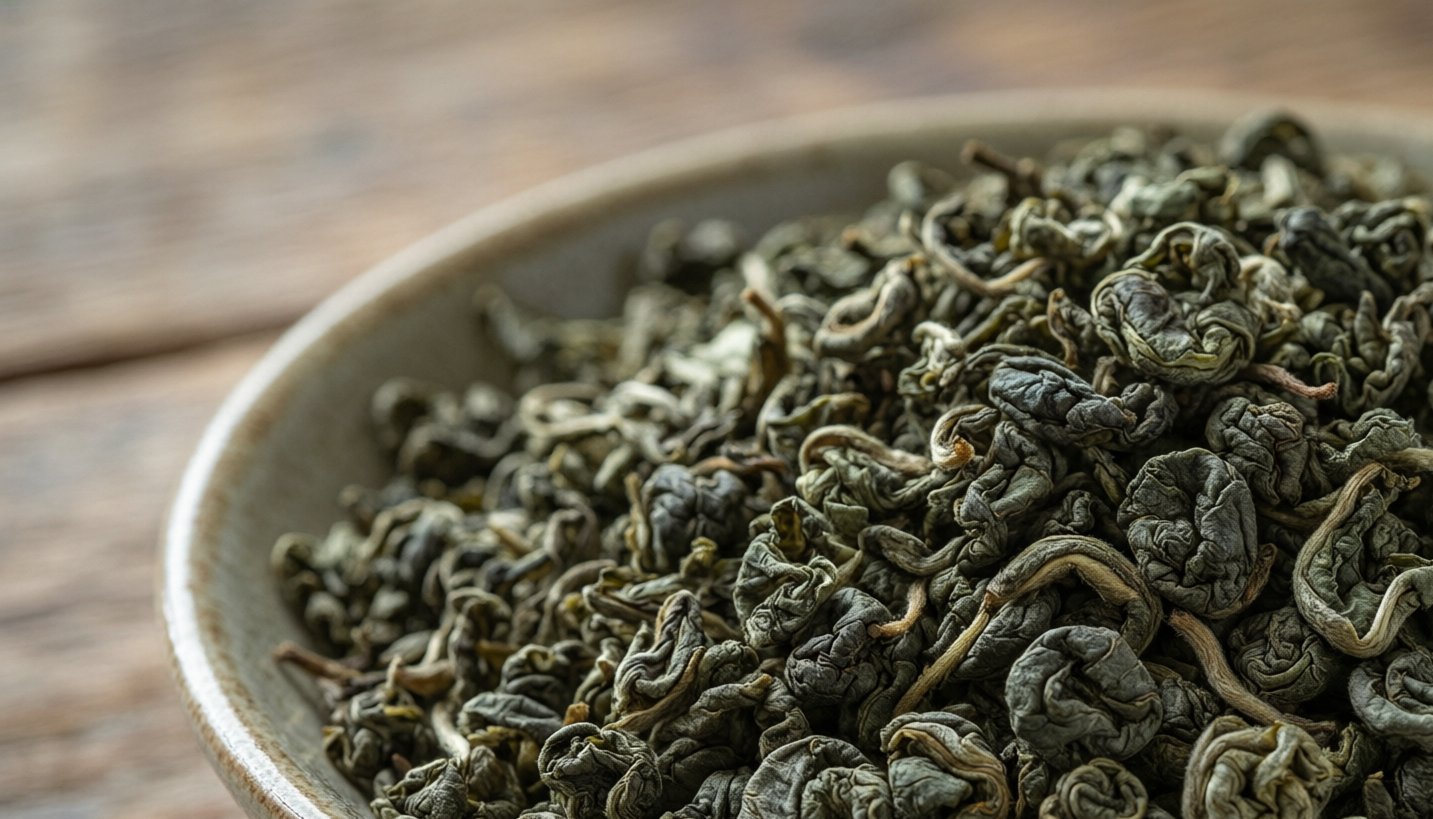
Liu Bao ages best when the leaf is dry, the air is moderately humid, and the temperature is stable. The table below is a practical guardrail, not a laboratory blueprint.
| Variable | Target range | Why it matters |
|---|---|---|
| Leaf moisture | At or below 10% by weight [1] | Prevents mold and sour off-flavors |
| Ambient temperature | 15–30°C; below 25°C where possible [3] | Slows aroma loss and uncontrolled oxidation |
| Relative humidity | 50–70% [2][3] | Below 50% slows aging; above 70% risks mold |
| Airflow | Slow and intermittent | Clears condensation without drying leaf too fast |
| Light | Dark or near-dark | Protects aroma compounds from UV damage |
The most useful tool for long-term storage is a small digital hygrometer placed inside the storage cabinet or container. Check it at least weekly during rainy seasons. If the humidity reads above 70% for several days, move the tea to a drier room or add a food-safe desiccant outside the tea wrapper. If it reads below 45% for months, aging will slow, but the tea will not be harmed as long as it remains dry.
4. Choosing a Storage Container
The container should protect the tea from odor, light, and sudden humidity changes without trapping moisture against the leaf. Good options include food-grade paper boxes, unglazed clay jars, and food-grade polyethylene or polypropylene inner bags. For large wholesale baskets, keep the original bamboo or paper packaging intact and place it inside a clean outer carton.
Avoid thin scented plastic, containers that previously held spices or oils, and untreated metal that can rust or impart flavor. If you use a clay jar, season it first by wiping with clean water and letting it dry completely, then line it with food-grade paper before adding tea. Do not seal Liu Bao in an airtight bag while the leaf is still above 10% moisture; that traps water and accelerates mold development [1].
5. Where to Put Liu Bao Tea — and a Simple Monitoring Routine
Store Liu Bao in a dry cabinet, pantry, warehouse shelf, or dedicated tea room. Keep it away from kitchens, bathrooms, garages, radiators, and south-facing windows. Basements can work only if they are dry, odor-free, and humidity-controlled; a damp basement is one of the fastest ways to ruin a whole basket.
A practical routine for retail or wholesale stock is to check once a month: open the outer carton, smell the air inside, feel a corner of the wrapper for softness or dampness, and read the hygrometer. In humid months, increase checks to once a week. If a lot feels soft or smells musty, isolate it from the rest of your stock immediately.
Before buying a large Liu Bao basket, ask whether the lot was already stored at a safe moisture level. Reconditioning a damp lot is much harder than maintaining a dry one.
Need a proven Liu Bao source? If you are sourcing Liu Bao for retail or wholesale, send your target grade, basket size, and required storage history to 427728483@qq.com. Our team will reply with current stock, packaging options, and moisture information.
6. How Aging Changes Liu Bao Tea — and When to Drink
Young Liu Bao often shows a pronounced pile-fermentation aroma, light astringency, and a slightly raw finish. With 3 to 10 years of clean storage, the liquor deepens, the astringency softens, and notes such as betel nut, camphor, dark honey, aged wood, and dried dates become more distinct [2]. This is not identical to sheng pu-erh aging, but the underlying principle is similar: controlled moisture, air, and time transform the leaf.
There is no fixed expiration date for correctly stored Liu Bao. Instead of asking how long it keeps, check how it tastes at intervals. If the tea becomes thinner, sour, or loses its aroma entirely, storage has failed even if the tea looks intact. If it grows rounder and more complex, the leaf is aging well.
7. The Seven Storage Rules That Keep It Simple
- Keep Liu Bao leaf moisture at or below 10% [1].
- Hold relative humidity between 50% and 70% [2][3].
- Keep temperatures stable and below 30°C; avoid kitchens and hot attics [3].
- Store in the dark or near-dark.
- Keep Liu Bao away from spices, coffee, and chemical odors.
- Use food-grade, odor-free containers with light airflow rather than tight sealing.
- Monitor monthly with a hygrometer, and more often during humid seasons.
Sourcing Liu Bao Tea That Has Been Stored Correctly
Storage quality begins before the tea reaches you. The team at Chinese tea suppliers works with Guangxi Liu Bao producers who store lots in dry, ventilated warehouses before packing. To receive a sample or quote, email 427728483@qq.com with these details:
- Preferred grade and vintage, or a description of the flavor profile you want
- Loose leaf, basket, or brick format and approximate quantity
- Required storage history: young, semi-aged, or aged
- Destination port and any packaging or private label needs
This lets us match you with stock that has been held at safe moisture and humidity levels, so you are aging the tea from a clean starting point.
Frequently Asked Questions About Liu Bao Tea Storage
Can Liu Bao tea be stored in a refrigerator?
Liu Bao generally should not be refrigerated. Cold storage plus temperature swings create condensation, and Liu Bao needs moderate, low-moisture conditions to age well [2][3]. A cool, dry interior room is safer.
How long can Liu Bao tea stay fresh?
Correctly stored Liu Bao does not have the same short freshness window as green tea. It can continue to develop for many years [2]. Freshness for Liu Bao means the tea has not become musty, sour, or faded rather than that it has a strict drink-by date.
Should Liu Bao tea be allowed to breathe?
Liu Bao benefits from slow, intermittent airflow, but it should not sit in a strong draft. The goal is to prevent condensation and stale air pockets without drying the leaf too quickly or exposing it to odors.
What should I do if my Liu Bao tea smells musty?
Isolate the lot from your other tea immediately. Check the wrapper for dampness and measure ambient humidity. If the leaf is visibly moldy or smells strongly sour, do not drink it. If the mustiness is mild and the leaf is dry, you may try resting it in a clean, odor-free container at 50–60% humidity, but a lot that remains musty should be replaced.
Does Liu Bao tea improve indefinitely?
No. Liu Bao can improve for a long time under clean storage, but it can also plateau or decline if it becomes too dry, too damp, or contaminated by odors [2]. Age alone is not quality; storage conditions determine whether age helps or hurts.
References
[1] Standardization Administration of China, GB/T 32719.4-2016, Dark Tea—Part 4: Liu Bao Tea, Beijing: Standards Press of China, 2016.
[2] H. Lv et al., “Processing and chemical constituents of Pu-erh tea: A review,” Food Research International, vol. 53, no. 2, pp. 608–618, 2013.
[3] General Administration of Quality Supervision, Inspection and Quarantine of the People’s Republic of China, GB/T 30375-2013, General Rules for Storage and Transportation of Tea, Beijing: Standards Press of China, 2013.
No author description available.

白玉京