How to Store Anhua Tea So It Stays Fresh: A Practical Guide
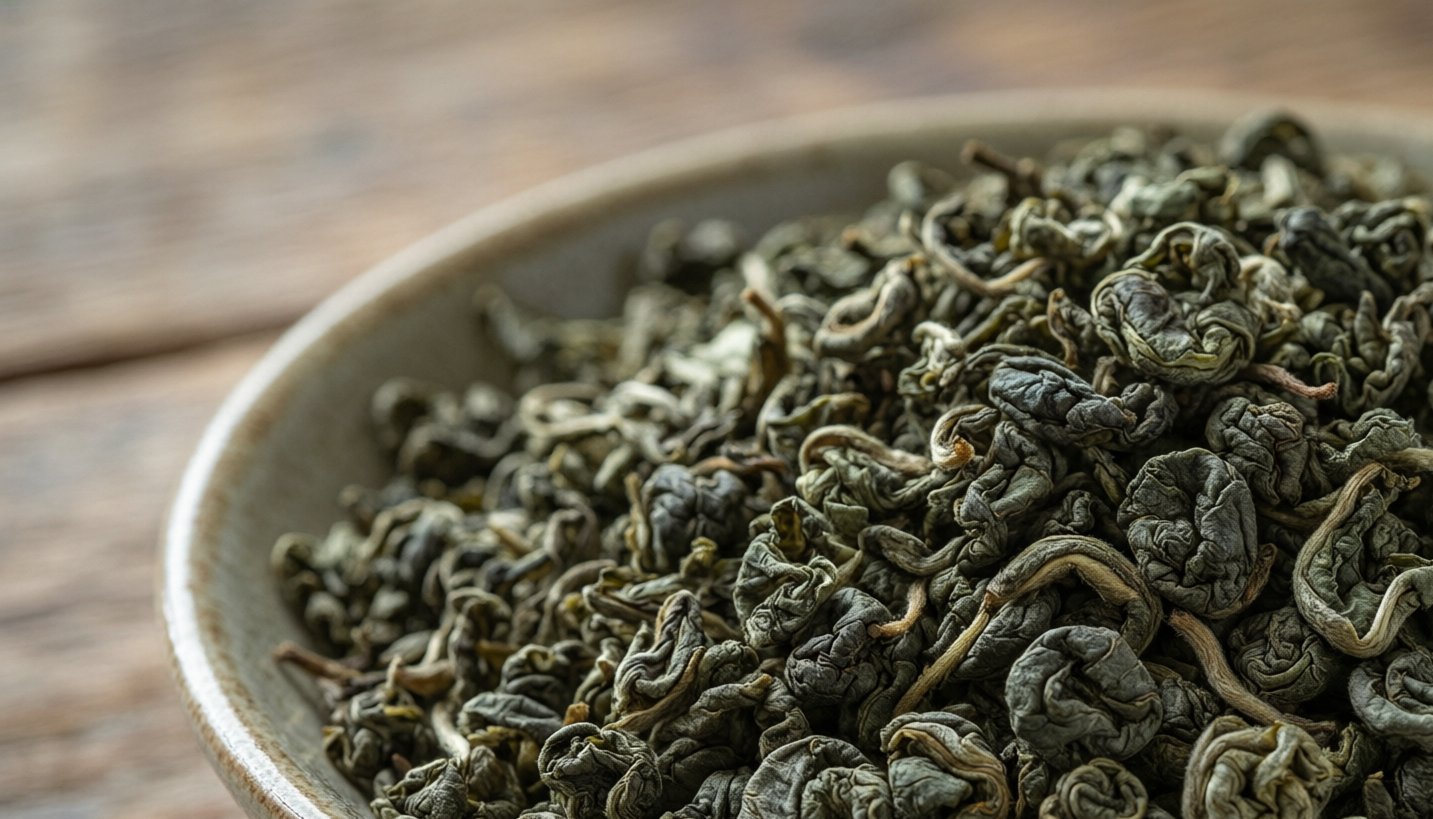
Anhua dark tea is not a tea you can simply leave in the tin and forget. As a post-fermented tea, it continues to react with moisture, air, temperature and surrounding odors long after it leaves the factory. Stored correctly, it gradually loses any sharp warehouse note and develops the deep, grain-sweet, aged-wood character that makes old Hunan dark tea so collectible. Stored badly, it turns sour, musty or moldy, and no amount of careful brewing will fix it.
This practical guide explains what Anhua tea actually is, the risks that shorten its useful life, and the storage steps that keep it stable — whether you are storing a few bricks at home or managing inventory for a tea business.
What Anhua Tea Is — and Why Storage Changes Everything
Anhua dark tea is produced in Anhua County, Hunan Province. Under China’s national standard for Anhua dark tea, the category includes Tianjian, Gongjian, Shengjian, Fu brick, Hei brick, Hua brick, and flower roll forms such as Qianliang, Bailiang and Shiliang [1].
Because Anhua tea is post-fermented, it is not raced by time in the same way a fresh green tea is. In Fu brick tea, the visible golden particles known as “golden flowers” are expected and desirable, not a defect [1]. But “post-fermented” also means the tea is biologically active and hygroscopic. Its final quality is strongly influenced by how it is stored after production.
Freshness in Anhua tea is therefore not about freezing a harvest in place. It is about protecting the aroma compounds that remain, preventing mold, and — for teas intended for aging — allowing slow, controlled transformation rather than runaway fermentation.
The Four Enemies of Fresh Anhua Tea
Most storage failures trace back to one or more of four problems.
Moisture. Tea is highly hygroscopic, meaning it absorbs moisture from the air. If enough moisture enters the leaf, mold and sourness follow quickly. Chinese tea storage standards emphasize keeping the product dry, clean, and correctly stacked with controlled humidity [2].
Excessive uncontrolled oxygen. Anhua dark tea needs some gas exchange for long-term aging, but large amounts of open airflow exhaust volatile aromas and make the tea taste flat. The goal is gentle, controlled exchange — not a drafty cabinet or an open bag left on a shelf.
Heat and light. Direct sunlight and warm spots accelerate the breakdown of aroma. Heat also encourages moisture movement inside the package, which can create uneven aging and mold pockets.
Odors. Tea will absorb whatever is around it. Spices, coffee, cleaning products, cardboard with printing inks, fuel, and damp basement air can all be pulled into the leaf and become part of the next brew.
How to Store Anhua Tea: Step-by-Step Storage Rules
Use these steps as a repeatable storage routine for opened stock and smaller quantities.
Check the incoming tea. Before storing, make sure cakes, bricks or loose tea are dry to the touch and have no visible condensation, wet wrapper or musty smell. If the packaging is damaged, repackage before storage.
Choose a clean, dark, temperature-stable location. A cool interior room is usually better than a kitchen, garage, attic or basement that has large temperature swings or sustained humidity.
Keep tea off the floor and away from walls. Place it on clean wooden or metal racking. Direct contact with concrete can transmit moisture, and wall-facing stock is more vulnerable to condensation and odor transfer [2].
Separate short-term stock from long-term aging stock. Tea you plan to open within a few months should be sealed more tightly. Tea you are aging should be stored under consistent conditions and opened only when you need to sample or inspect it.
Inspect seasonally. Twice a year is enough for most climates. Check for damp wrappers, strange odors, visible mold beyond expected golden flowers in Fu brick tea, and any sign of insect damage.
Storage Conditions for Short-Term Freshness vs Long-Term Aging
The table below gives practical starting points based on standard tea storage principles [2]. Adjust to your local climate and inspect frequently if your space is humid.
| Storage variable | Short-term freshness (0–12 months) | Long-term aging (1 year +) |
|---|---|---|
| Temperature | Stable 15–25 °C | Stable 15–28 °C, avoid sharp swings |
| Relative humidity | 50–65% | 55–70%, with closer monitoring |
| Light | None | None |
| Airflow | Minimal, sealed | Gentle, clean exchange |
| Odor exposure | None | None |
| Packaging | Food-grade moisture barrier | Breathable wrapper, then controlled storage |
Humidity is the variable that causes the most damage. If you can only monitor one thing, monitor for dampness.
Choosing Packaging and Containers
For unopened Anhua dark tea, keep the original wrapper and outer box when they are clean and intact. Manufacturers select these materials to balance protection with limited air exchange.
For opened tea, good options include:
- Food-grade ceramic jars with close-fitting lids, placed away from direct light
- Opaque food-grade tins with a tight seal for short-term freshness
- Thick food-grade foil-lined or laminated bags for small retail portions
- Cotton paper, bamboo leaf and clean cardboard boxes for cakes and bricks intended for long-term aging
Avoid wrapping uncertain-moisture tea in full plastic film, especially if the tea was handled in a humid environment. The plastic can trap moisture inside and accelerate damage.
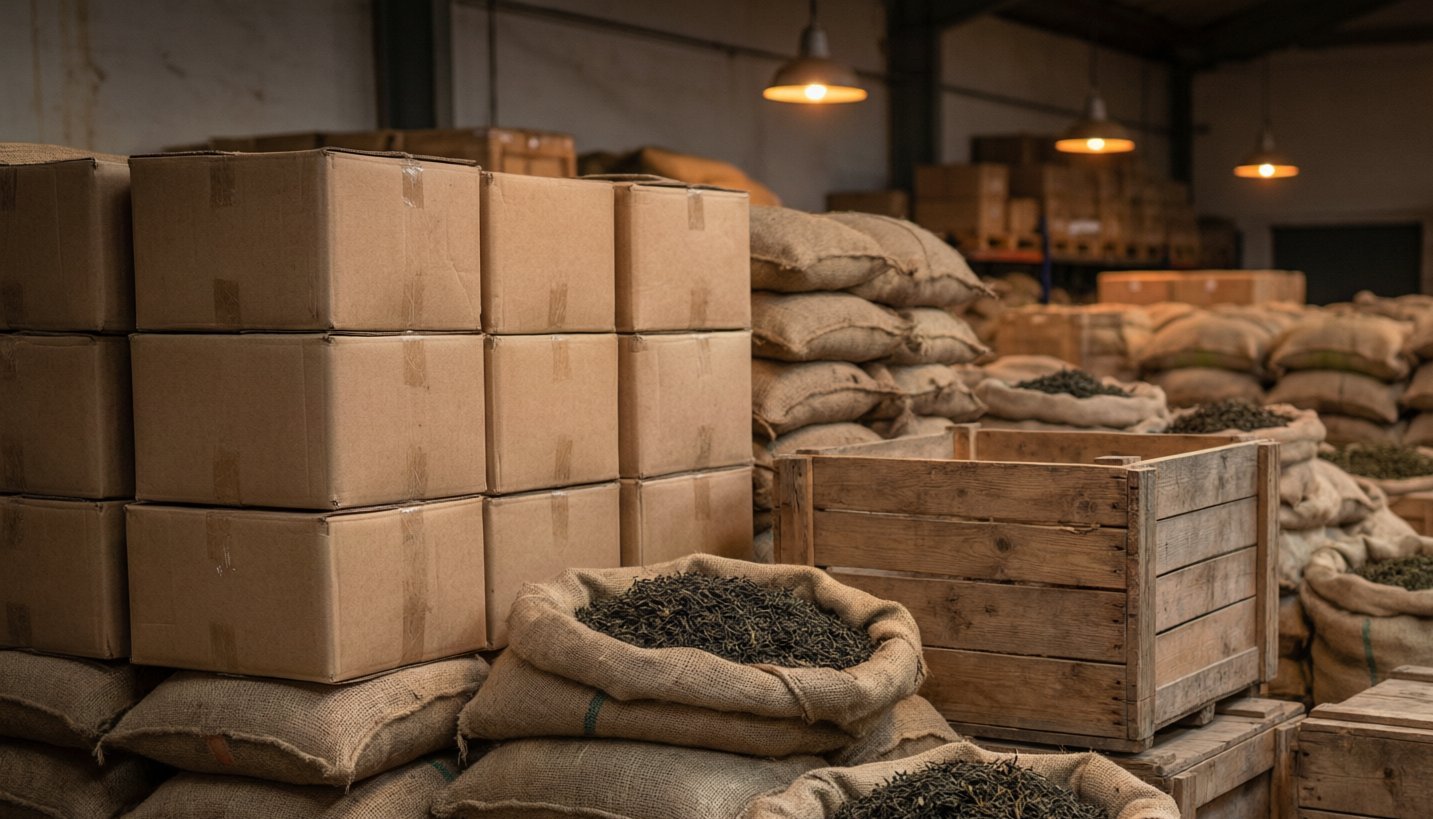
For wholesale and warehouse storage, apply the same rules at scale: clean racking, pallets off the floor, stable temperature, humidity control, no direct sunlight, and physical separation from coffee, spices, oils or other aromatic cargo.
Whether you are storing household bricks or filling a retail warehouse, the quality of the incoming Anhua dark tea determines how well it will age. Ask suppliers for the harvest year, moisture level, packaging and storage history before accepting a shipment. If you need Anhua dark tea with storage-ready packaging and clear batch documentation, contact our sourcing team at 427728483@qq.com.
How to Tell If Anhua Tea Is Still Fresh
Good signs include a dry wrapper, a clean woody or sweet-grain aroma, and a liquor that is smooth rather than sharply sour. In Fu brick tea, golden flowers are expected and should not be confused with spoilage [1].
Warning signs include any of the following:
- Black, green or grey fuzzy growth beyond the expected golden flowers
- A musty, moldy, sour or ammonia-like smell
- Damp, soft, sticky or cool-to-the-touch tea
- A sudden thin or papery aroma with no sweetness
- Visible insect damage or excrement
- A persistent metallic or chemical note from unsuitable packaging
If the tea shows any visible mold other than the expected golden flowers of Fu brick tea, discard it. Do not try to “rescue” it by airing or roasting.
Common Mistakes That Shorten Shelf Life
Avoid these storage habits:
- Storing Anhua dark tea in the refrigerator
- Leaving tea in clear glass or plastic containers on a sunny shelf
- Keeping opened tea next to coffee, spices, onions or cleaning products
- Placing tea directly on a concrete floor or exterior wall
- Sealing damp tea inside plastic without drying it first
- Repeatedly opening long-term aging stock just to look at it
- Using non-food-grade containers that transfer plastic or metallic odors into the leaf
Source Anhua Dark Tea That Arrives Ready to Store
The easiest tea to store well is tea that arrives dry, clean and properly packaged. When sourcing Anhua dark tea, ask for:
- Product form and grade: Fu brick, Hei brick, Hua brick, Tianjian, flower roll, loose leaf or fermented brick
- Harvest and production year
- Moisture and storage conditions before shipment
- Packaging format and whether it is suitable for long-term aging
- Recommended storage conditions for your destination climate
- Batch-level documentation for traceability and consistency
Email our team at 427728483@qq.com with the product formats, quantities and destination you need. We will respond with availability, packaging options, lead times and a sample-grade quotation for storage-ready Anhua dark tea.
FAQ
How long does Anhua tea last?
When kept dry, dark and odor-free, Anhua dark tea can remain stable for years. Unopened, properly packed stock is the easiest to hold. Opened stock should be checked periodically because its storage conditions become more variable.
Does Anhua tea improve with age?
Under controlled storage, many Anhua dark teas become rounder and deeper as post-fermentation compounds continue to change [1]. Age alone is not enough: poorly stored old tea is simply damaged tea. The quality of the starting material and the consistency of storage matter more than the number of years.
Should I store Anhua tea in the refrigerator?
No. Refrigerator storage introduces temperature swings, condensation risk and odor transfer. A cool, dry, dark room-temperature space is the better choice for Anhua dark tea [2].
Is the yellow “golden flower” mold in Fu Zhuan tea safe?
In Fu brick tea, the visible golden flowers are an expected feature of the product [1]. Other fuzzy growth — especially black, green or grey mold — is not safe and should be discarded.
Can I store Anhua tea in glass jars?
Only if the jar is opaque or kept inside a closed cabinet away from light. Clear glass on a sunny shelf will stress the tea and shorten its aromatic life. For long-term storage, food-grade ceramic, tin or breathable wrapper systems are usually better.
What humidity is best for Anhua dark tea?
As a practical target, keep short-term stock around 50–65% relative humidity and monitor long-term aging stock closely if humidity rises above 65–70% [2]. The safer approach is to keep all stored tea dry, cool and dark, and to inspect it more often during humid seasons.
References
[1] GB/T 32719.4-2016, Dark tea — Part 4: Anhua dark tea, Standardization Administration of China, Beijing, 2016.
[2] GB/T 30375-2013, General principle for tea storage, Standardization Administration of China, Beijing, 2013.
[3] Food and Agriculture Organization of the United Nations (FAO), “Tea: post-harvest handling and storage,” Agricultural Services Bulletin, fao.org, accessed 2026.
No author description available.

白玉京