Fujian Green Tea Brands Compared: The Definitive Buyer’s List
Fujian is usually associated with oolong, white, and black tea, but the province also produces a distinct green tea segment that rarely surfaces in Western retail. For importers, the practical question is not which brand is the largest, but which type of supplier can deliver verifiable Fujian green tea at the grade, consistency, and order size a specific market actually needs. This list compares those supplier archetypes — and the production and export players behind them — rather than pretending every source is a consumer tea brand [1][2].
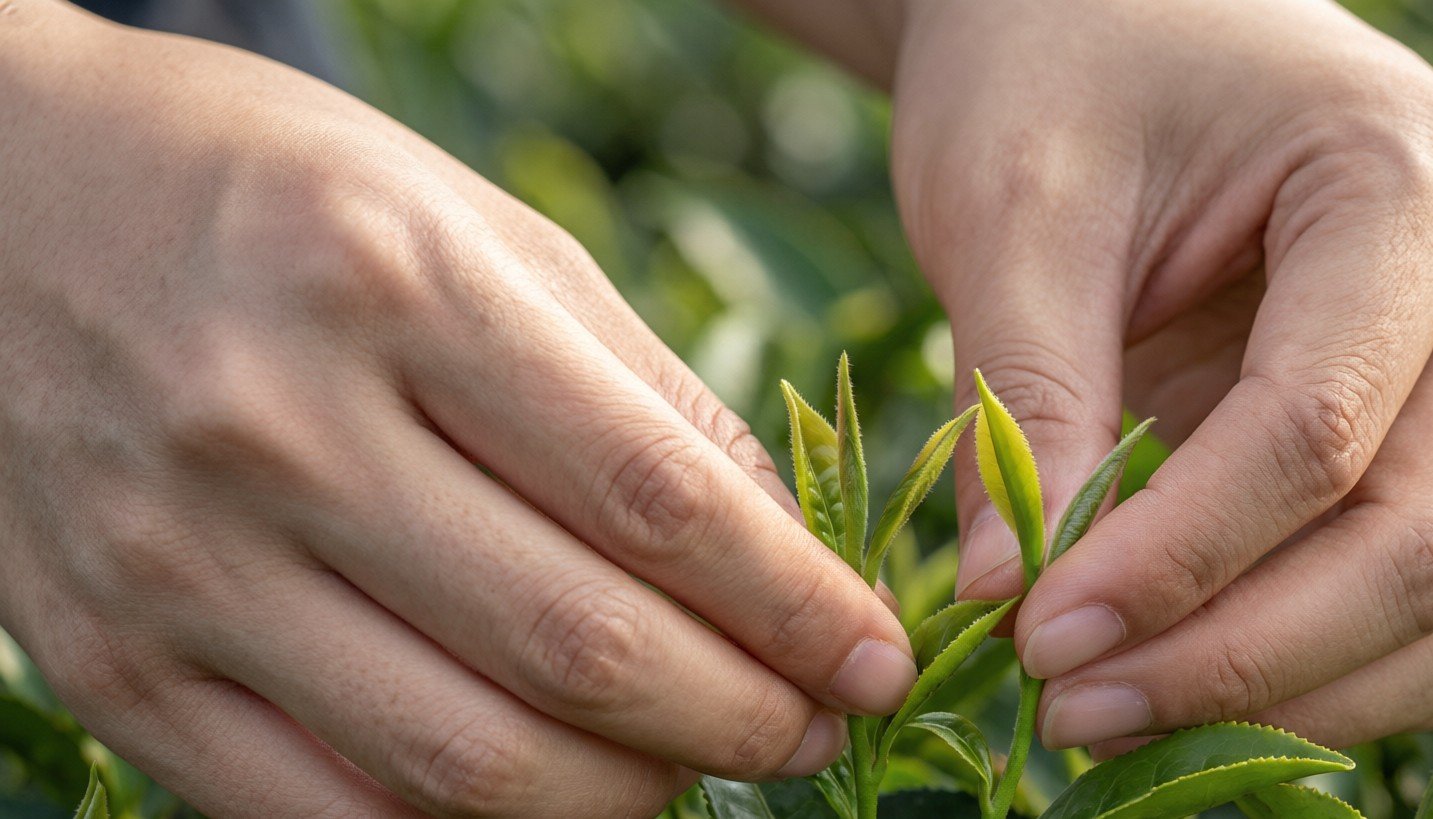
What Fujian Green Tea Actually Means
Under the international tea classification framework, green tea is a non-oxidized tea in which leaf enzymes are deactivated early by heat to preserve green color and fresh character [1]. China’s national green tea standard sets basic requirements for sensory quality, moisture, ash, and residue limits [2].
Fujian’s green tea is less famous than its oolong and white tea, but it is not a single style. The main production areas include:
- Songxi County — known for needle-like, early-spring green teas with light chestnut and floral notes.
- Taimu Mountain / Fuding area — coastal-mountain green teas that often enter processing earlier than inland styles.
- Zhenghe, Zhouning, and Shouning — higher-elevation areas producing clean, mellow green tea used both for direct sale and blending.
The key buying distinction is not brand size, but whether the tea is a named origin style, a factory blend, or a private-label line built on a standard green tea base.
How This Brand List Was Built
This comparison uses six criteria that matter more than a logo or retail share:
| Criterion | What a buyer should ask |
|---|---|
| Origin verifiability | Can the supplier show pick date, county, village, or producer lot records? |
| Grade transparency | Does the lot cite GB/T 14456.1-2017 or an equivalent green tea standard? [2] |
| Residue control | Can the supplier provide current MRL test results for the destination market? [4] |
| Lot consistency | Is there a written physical and chemical specification across shipments? |
| Export documentation | Can the supplier handle packing lists, certificates of origin, and phytosanitary requirements? |
| Commercial flexibility | What are the MOQ, private-label, and sample terms for green tea specifically? |
No supplier is ranked simply because it is large. A strong oolong brand does not automatically have a strong Fujian green tea line, and a small county producer may offer better green tea authenticity but weaker consumer packaging.
Brand Shortlist: Where Fujian Green Tea Buyers Start
The following are representative supplier types importers encounter when sourcing Fujian green tea. This is not an exhaustive or paid list, and green tea availability changes by season and SKU.
| Supplier / brand type | Core strength | Green tea fit | Best for |
|---|---|---|---|
| Fujian Tea Import & Export Co., Ltd. (FTIEC) | Legacy state-owned export house with broad Fujian catalog | Commodity and standard-grade green tea, strong export documentation | Bulk buyers and long-term contract sourcing |
| Xiamen Tea Import & Export Co., Ltd. (Sea Dyke) | Southern Fujian export brand, strong blending and QA record | Green tea as an extension to an oolong-led catalog | Buyers already sourcing multiple Fujian categories |
| Songxi county producer groups | Origin-specific, seasonal green tea expertise | Most authentic single-origin Fujian green tea | Specialty importers and single-origin retail programs |
| Taimu Mountain / Fuding green tea producers | Early-harvest coastal-mountain freshness | Early spring and mellow green styles | Buyers seeking seasonal first-mover positioning |
| Bama Tea Group | Strong retail brand discipline and grading systems | Limited but well-documented green tea selections | Premium packaged retail and gift formats |
| Tenfu Tea | National chain with standardized retail quality | Widely available green tea line, but brand premium built into pricing | Market entry, education, and consistent retail supply |
A practical rule is to separate brand strength from green tea strength. A supplier may be an excellent Fujian tea partner overall while carrying only a small green tea program — or vice versa.
Matching Brand Type to Buyer Need
Commodity importer
Start with FTIEC or Sea Dyke. Broad catalogs, stable export paperwork, and blending capacity matter more than origin storytelling.
Specialty single-origin importer
Start with Songxi county producer groups. Ask for spring harvest lots, producer identification, and separate village or garden records where available.
Private-label retail buyer
Compare a factory-backed program with a retail-facing group such as Bama or Tenfu. The key question is whether the supplier controls the green tea lot or only performs packing.
Seasonal early-spring buyer
Look to Taimu Mountain and Fuding-area producers. Early harvest timing can create a real market window if the weather and picking records support it.
Multi-category importer
Sea Dyke and FTIEC may allow combined sourcing of green tea with oolong, white, and black tea, reducing documentation and freight complexity.
Buying Formats, Quality Checks, and Origin Verification
Packaging formats and MOQs
Fujian green tea is commonly packed in foil-lined cartons, vacuum-sealed bulk bags, or consumer-facing tins and sachets. The useful question is not the advertised MOQ, but the MOQ per specific green tea lot. Seasonal single-origin teas usually come in smaller batches than standard export blends.
Inspection before you commit
A credible lot should include:
- Dry leaf and liquor cupping notes
- Moisture content against the applicable standard [2]
- Pesticide residue and heavy metal test results, especially for EU or US shipments [4]
- A retained sample from the exact production batch
If test results are older than 12 months or do not name the same harvest, ask for retesting.
Origin verification
“Fujian origin” is easy to print on a label and harder to prove. Stronger verification includes county-level production area statements, e-traceability records, purchase records from a named processing village, and consistent lot coding. A website claim or a province-level description is not sufficient for high-value or organic positioning.
Price logic
Fujian green tea sits across three broad tiers: standard export blend, named origin specialty, and early-harvest premium. Price differences are driven mainly by harvest date, leaf standard, processing care, and residue compliance. Buyers should ask a supplier to explain what specifically moves a lot between tiers rather than accepting a vague “higher quality” claim.
Get Fujian Green Tea Sourcing Support
Send your sourcing brief to 427728483@qq.com with the following details:
- Target Fujian green tea style, such as Songxi needle-style or Taimu Mountain green
- Required grade, annual volume, and packaging format
- Destination market and certification needs
- Whether you need plain bulk, private label, or retail-ready packs
We will return a verified Fujian green tea shortlist and a sample plan based on your market requirements.
FAQ
What is the most famous Fujian green tea?
Fujian is better known for oolong, white, and black tea, so its green teas do not have the same international fame as West Lake Longjing or Huangshan Maofeng. Among green tea buyers, Songxi needle-style and Taimu Mountain area green teas are the most commonly discussed Fujian green tea types.
Are Fujian green tea brands usually factory names or consumer brands?
Both exist. Export-focused buyers often deal with tea import and export companies or county-level factories, while retail buyers may encounter consumer-facing brands such as Bama or Tenfu. The brand name may not tell you whether the tea itself is a named origin style or a standard blend.
How do I verify that my Fujian green tea is actually from Fujian?
Ask for production area statements, pick date records, county or village identification, and lot codes that connect back to a processing location. Test reports and invoices should reference the same harvest. A province-level claim without supporting records is weak verification.
Does Fujian green tea require special storage?
Like other green teas, it should be kept cool, dry, sealed, and away from light and strong odors. Importers should confirm the moisture level at packing and use lined cartons or vacuum packaging for long transit. Green tea does not improve with age, so first-in, first-out rotation is important.
What is the difference between Fujian green tea and Fujian white tea?
The main difference is processing. Green tea is heat-deactivated early to stop oxidation and keep green character [1], while white tea is withered and dried with minimal processing. They come from some of the same regions, such as Fuding and Zhenghe, but occupy different sensory and market positions.
Can a brand supply both private label and bulk Fujian green tea?
Many can, but capability varies. Factory-backed suppliers and export companies are often more flexible for private label and bulk programs, while consumer brands may protect their own label or charge for smaller customization runs. Confirm whether the green tea lot is controlled by the supplier before agreeing to a private-label program.
How does harvest season affect Fujian green tea pricing?
Early spring lots are usually more expensive because leaf availability is limited and freshness peaks early. Later harvests are more affordable and better suited to blending or entry-level retail. Ask for the exact pick date rather than a broad “spring tea” claim.
What certifications should I ask for?
At minimum, request current pesticide residue and heavy metal test results for the destination market, plus confirmation of the applicable green tea standard [2][4]. If organic, fair trade, or retailer-specific certifications are required, verify the certification number and scope rather than accepting a supplier statement.
References
[1] ISO 20715:2023, Tea — Classification of tea types, International Organization for Standardization.
[2] GB/T 14456.1-2017, Green tea — Part 1: Basic requirements, Standardization Administration of China.
[3] FAO Intergovernmental Group on Tea, World tea production and trade: Current status and medium-term outlook, Food and Agriculture Organization of the United Nations.
[4] Regulation (EC) No 396/2005, Maximum residue levels of pesticides in or on food and feed, European Commission.
No author description available.

白玉京