Dayi Pu-erh Storage Guide: Keep Cakes Fresh for the Long Haul
Dayi Pu-erh does not go stale the way green tea does. Proper storage preserves the tea's clarity while allowing slow post-fermentation to mellow rough edges. Poor storage, however, can push an expensive cake toward sour, musty, or flat notes. This guide covers raw and ripe Dayi cakes, the variables that matter, home storage, bulk warehousing, and the mistakes that quietly damage tea before you notice them.
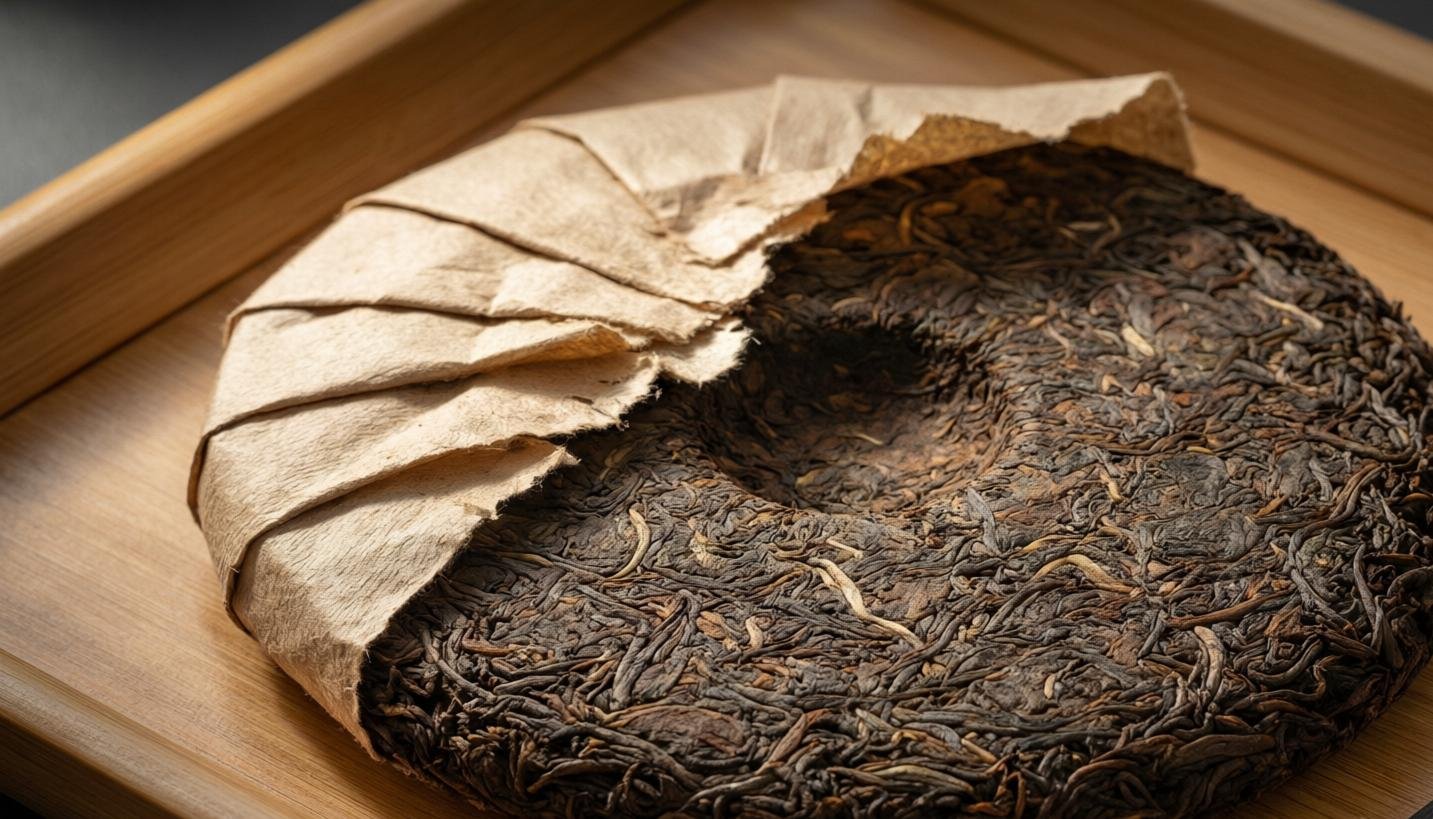
What "Fresh" Actually Means for Dayi Pu-erh
Pu-erh is a post-fermented tea, and pressing does not freeze its chemistry. Microbial and enzymatic activity continue during storage, shaped by temperature, moisture, oxygen, and time [2]. "Fresh" therefore means something different from what it means for green or oolong tea: the cake should retain a clean, clear character and evolve in the intended direction rather than turning damp, sour, or lifeless.
Raw Dayi recipes such as 7542 change more dramatically over time. The young, green-edged sharpness can soften into deeper sweetness and wood-like warmth. Ripe Dayi recipes such as 7572 are already pile-fermented, so storage mainly rounds out the pile character and removes any residual wet-storage sharpness.
Freshness also does not mean zero airflow. Some oxygen exchange supports mellowing, while excessive airflow accelerates fading and oxidation. The goal is controlled exchange, not isolation and not full exposure.
The Storage Variables That Matter Most
Five variables decide whether Dayi improves or declines. The practical ranges below are widely used starting points, not fixed legal limits.
| Variable | Practical range | Key note |
|---|---|---|
| Temperature | 20–30°C | Steady conditions matter more than hitting one exact number |
| Relative humidity | 60–70% RH | Prolonged above 75% raises mold risk; below 50% slows aging |
| Airflow | Gentle, indirect | Long-term plastic sealing blocks useful exchange |
| Light | Dark storage | UV and direct sunlight degrade wrapped cakes |
| Odor | Neutral, isolated | Pu-erh absorbs nearby aromas quickly |
Dayi wrappers are not decoration. The original cotton paper protects the cake while still allowing air movement, and the batch markings on the wrapper help you track origin and storage history later.
Raw vs Ripe: Two Storage Briefs
Raw Dayi cakes are more reactive. They reward patience and respond visibly to different storage climates. A dry, cool environment tends to preserve brightness and slow color change, while a warmer, more humid environment accelerates darkening and can speed mellowing—but also raises the chance of off aromas if moisture is not controlled. There is no single correct style, but the environment should be consistent.
Ripe Dayi cakes are more forgiving and are usually stored to refine flavor rather than to transform it. Many drinkers find ripe cakes settle within two to five years, losing the sharper pile notes and becoming rounder. The same rules apply: avoid damp enclosures, strong kitchen odors, and direct heat.
For example, the same raw 7542 cake kept in a cool, dark cabinet often remains brighter and slower to redden than one stored in a warm, humid room. The difference is not necessarily better or worse, but it is measurable in the cup.
Home Storage, Step by Step
- Inspect the cake when it arrives. Dry paper, clean aroma, and intact compression are good signs.
- Keep the original wrapper. Mark the purchase date or batch code lightly on the outside if needed.
- Choose one storage site: a cool, dark cabinet or shelf away from kitchens, bathrooms, windows, and heaters.
- Place cakes in a breathable paper box or on a wooden rack. Avoid long-term airtight plastic containers.
- Use a calibrated hygrometer near the cakes. If air is very dry, add gentle humidity in the room rather than wetting the cakes directly.
- Check monthly for the first few months, then quarterly. Smell the wrapper and feel for dampness or excessive dryness.
- If storing multiple cakes, leave space between them and rotate their positions occasionally.
If you are buying Dayi cakes specifically for long-term storage, ask suppliers for the pressing date, batch code, and any storage history before committing to a purchase.
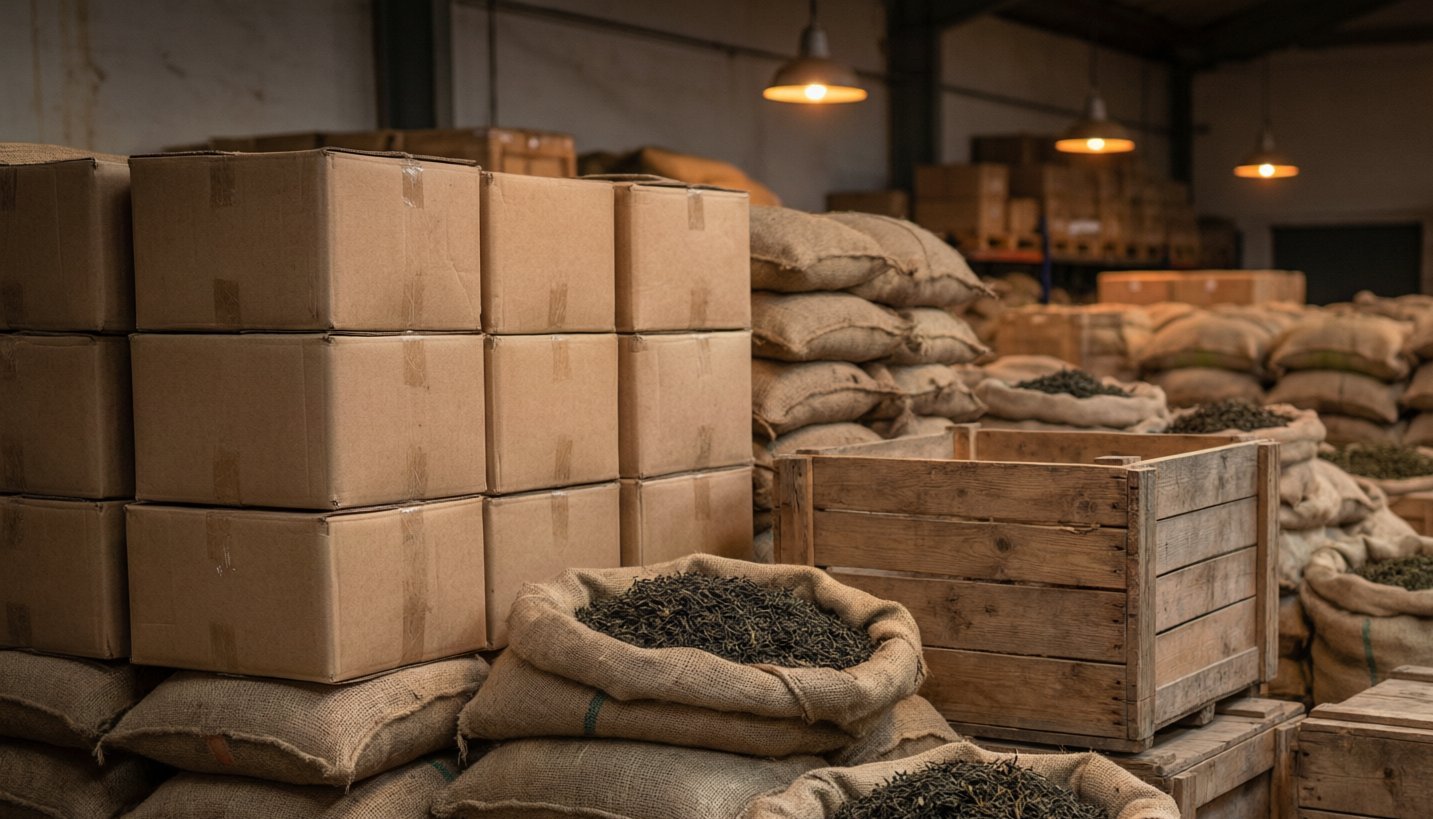
Bulk and Warehouse Storage for Buyers
For importers and wholesalers, the same principles scale upward. Keep cartons off the floor, allow air to move between pallets, and log temperature and humidity with calibrated sensors. Separate raw and ripe lots, and keep pu-erh away from strongly scented teas, spices, cleaning products, and diesel or fuel odors.
Storage recordkeeping matters as much as the physical environment. A consistent log of location, humidity, and duration helps you explain a lot's character to buyers and protects your position if quality is ever disputed.
Mistakes That Quietly Ruin Dayi Cakes
- Sealing cakes in plastic for years, which traps moisture and blocks useful air exchange
- Storing tea in kitchens or bathrooms where heat, steam, and odors swing
- Placing cakes in direct sunlight or near radiators
- Chasing extreme humidity to force rapid aging, which can introduce musty or medicinal notes
- Handling cakes roughly or frequently breaking the wrapper
- Treating every pu-erh as identical and mixing raw, ripe, and strongly scented teas in one sealed space
Source Dayi Pu-erh That's Worth Storing
Even the best storage plan cannot fix a cake that arrived damp, poorly pressed, or already carrying off aromas. When buying Dayi cakes for personal aging or wholesale, request pressing dates, storage history, and batch documentation before ordering.
For volume inquiries, contact Chinese tea suppliers at 427728483@qq.com with your preferred format, raw or ripe split, storage-climate requirements, and target quantity.
FAQ
How long can Dayi Pu-erh stay fresh?
Pressed pu-erh can be stored for many years. Raw cakes often improve over a decade or more, while ripe cakes commonly round out within two to five years. Actual results depend on environment more than time alone [2].
Should I keep Dayi cakes in the refrigerator?
No. Refrigerators are cold, humid, and full of food odors. A cool, dark cabinet or breathable box is a better long-term option.
Is plastic wrap good for long-term storage?
Plastic can be useful for short transit, but it is not ideal for long-term storage because it blocks air exchange and may trap moisture. The original paper wrapper plus a breathable carton is preferable.
What humidity is safe for Dayi Pu-erh?
Many storage guides point to roughly 60–70% relative humidity. Prolonged conditions above 75% raise mold risk, while sustained dryness below 50% can slow aging and dry out the cake.
Can I store raw and ripe cakes together?
It is better to separate them. Ripe cakes can transfer earthy aromas, and raw and ripe lots may have different ideal moisture management.
How do I know if a cake has gone bad?
Musty, sour, fuel-like, or wet-cardboard aromas, visible mold colonies, or a damp wrapper are warning signs. Isolate the cake and evaluate it before drinking.
References
[1] General Administration of Quality Supervision, Inspection and Quarantine of the People's Republic of China, Product of Geographical Indication—Pu'er Tea, GB/T 22111-2008, 2008.
[2] H. Lv, Y. Zhang, Z. Lin, and Y. Liang, "Processing and chemical constituents of Pu-erh tea: A review," Food Research International, vol. 53, no. 2, pp. 608–618, 2013.
No author description available.

白玉京