Cold Brewing Bingdao Raw Pu-erh: Does It Actually Work?

Bingdao raw pu-erh has a reputation that makes it a natural cold-brew candidate: among Lincang sheng pu-erh, the real thing is famous for sweetness first, bitterness second. That matters, because cold brewing suppresses the astringent, bitter fraction of raw pu-erh while leaving the sweet, cooling notes that Bingdao is known for.
The short answer is yes, cold brewing Bingdao raw pu-erh works, and it usually works better than cold brewing a random young sheng. You will not get the full aromatic range of a gongfu session, but you will get a clean, pale golden-green liquor with sugared mineral and melon-rind notes, very little of the raw-tea edge that turns many people away from young sheng, and a long, cool, slightly tingly finish.
What you sacrifice is equally real: the high-temperature top notes, the warming body, and the layered changes across a long hot brew are replaced by a simpler, rounder profile. If you judge the tea only by cold brew, you are seeing one dimension of it, not the whole picture.
What Bingdao Raw Pu-erh Actually Means
Before the method, a quick set of definitions matters, because "Bingdao raw pu-erh" is one of the most borrowed names in the Chinese tea market.
Under the Chinese pu-erh geographical indication standard [1], raw pu-erh, or sheng cha, is made from Yunnan large-leaf sun-dried tea. It is not artificially fermented the way ripe pu-erh, or shou cha, is. Bingdao refers to a small, high-priced production zone in the Mengku area of Shuangjiang County, Lincang, Yunnan. The name does not come from frozen islands; it is generally written as "Bingdao," and the tea it produces is prized for a fast, sweet return, soft body, and relatively low astringency for young raw pu-erh.
The practical point is simple: true Bingdao raw pu-erh is sweet enough to survive cold extraction without collapsing into a flat, grassy cup. Tea chemistry explains why. Cooler water extracts catechins and caffeine more slowly than near-boiling water, and the compounds responsible for raw pu-erh's bitter, astringent punch do not dominate the first phase of a cold steep [2]. The result is a tea that leans into its sugar-cane and mineral core while leaving much of the bitterness behind.
But there is a catch. Because Bingdao commands a premium, many low-cost products use the name loosely. A cheap cake that is mostly bitter after a 10-hour cold steep is often not a Bingdao flavor problem; it is a sourcing problem. That is why the leaf itself matters more for cold brew than almost any other raw pu-erh.
How Cold Water Changes the Extraction
When you pour near-boiling water over raw pu-erh, you pull out aroma compounds quickly, but you also pull out a large share of the astringent polyphenol fraction [2]. That is why young raw pu-erh often tastes sharp, green, or mouth-drying in the first few infusions.
Cold brewing reverses the emphasis. The extraction is slower and more selective at low temperature. In practice, the cup tends to show more:
- Soft sweetness and mineral depth
- Melon, snow pea, or sugar-cane notes
- Light floral lift, but less than hot brewing
- Minimal astringency and little of the young-sheng "green bite"
- Lower perceived bitterness, which makes the tea easier to drink
What tends to fade is the intense huigan structure that gongfu drinkers chase in hot raw pu-erh. Cold-brewed Bingdao still has a cool, sweet finish, but it is shorter and less dramatic than the finish from a hot-brewed tea of the same grade.
How to Cold Brew Bingdao Raw Pu-erh: A Simple Starting Method
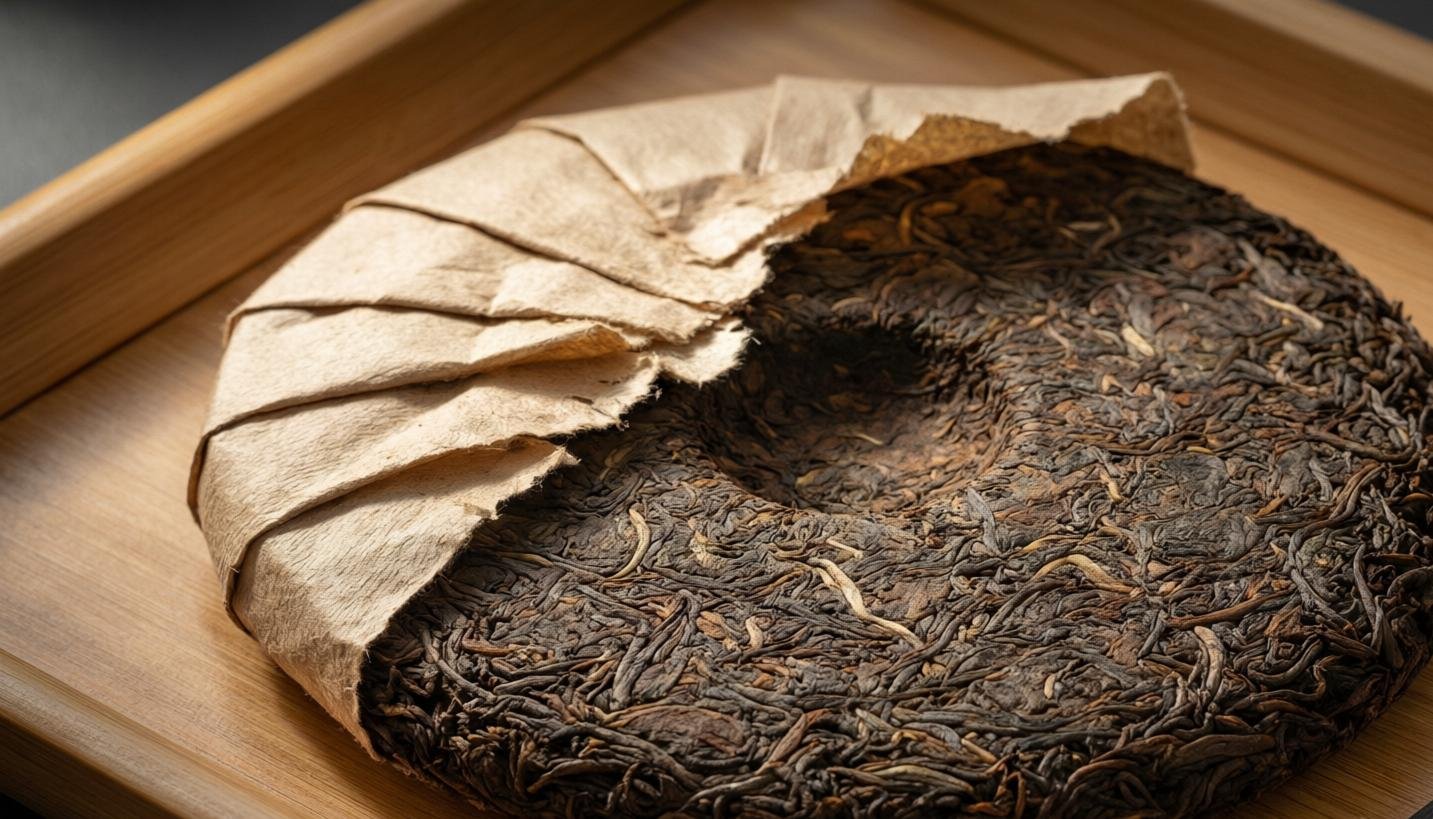
This is a baseline recipe, not a guarantee of the perfect cup. Raw pu-erh varies by origin, year, leaf grade, and storage, so treat the first batch as a test.
What you need
- 5 grams of Bingdao raw pu-erh, preferably whole or lightly separated leaves
- 500 ml of cold filtered or low-mineral water
- A clean glass or porcelain vessel with a lid
- A fine strainer or cheesecloth
- Refrigerator
Steps
- Put the dry leaves in the vessel. If the tea is dusty or broken, give it a quick 5-second cold-water rinse first, but do not use boiling water as a "pre-rinse" for cold brew.
- Add the cold water, stir once very gently, and cover.
- Refrigerate for 8 to 12 hours. In a warm room, 3 to 5 hours at room temperature also works, but the cup will have a little more body and a little more edge.
- Strain the tea into a clean bottle or pitcher. Press the leaves gently only with a spoon if needed; do not squeeze them hard.
- Serve over ice, or drink it chilled on its own.
| Method | Leaf-to-water ratio | Approx. time | Character |
|---|---|---|---|
| Refrigerator cold brew | 1 g per 100 ml | 8–12 h | Cleanest, sweetest, most delicate |
| Room-temperature cold brew | 1 g per 100 ml | 3–5 h | Faster, slightly fuller body, a bit more grip |
| Ice-contact quick method | 1 g per 80 ml | 45–60 min | Light, fresher, less sugar depth |
For most Bingdao raw pu-erh, the refrigerator method should be your default. It protects the tea's sweet core and limits the grassy, slightly sour edge that can appear when raw pu-erh steeps too long at room temperature.
Before you commit to a full cake or wholesale quantity, request the current lot details first. Ask us for Bingdao raw pu-erh harvest year, batch photos, storage history, and wholesale pricing at xuansc2144@gmail.com. A good next step is to request a brewed-liquor video or a 10 g sample so you can test the cold-brew profile yourself before ordering in volume.
Cold Brew vs Hot Brew: What You Gain and Lose

A cold-brewed Bingdao raw pu-erh and a gongfu-brewed Bingdao raw pu-erh can taste like two different teas from the same tree, and that is not a defect. It is what temperature does to aroma release and polyphenol extraction.
| Factor | Cold brew | Hot gongfu brew |
|---|---|---|
| Bitterness and astringency | Much lower | Higher, especially in early infusions |
| Sweetness | Forward, sugar-cane/mineral | Present, but layered behind aroma |
| Aroma intensity | Lighter | Much stronger, more complex |
| Mouthfeel | Thin, cool, refreshing | Thicker, warmer, more coating |
| Huigan or returning sweetness | Gentle and short | Longer and more dynamic |
| Best use | Ready-to-drink, summer, casual drinking | Tasting, evaluating age, full complexity |
If your goal is to assess whether a Bingdao cake is worth aging, cold brew is the wrong tool. You will miss too much. If your goal is an easy, sweet, non-bitter raw pu-erh drink for warm weather or a retail cold-brew menu, it is one of the best uses of young sheng.
5 Mistakes That Ruin Cold-Brewed Raw Pu-erh
- Using broken dust instead of whole leaf. Broken leaf exposes too much surface area and makes the cold brew bitter or muddy, even when the tea itself is good.
- Steeping too long out of habit. Raw pu-erh is not green tea. Beyond 12 to 14 hours in the refrigerator, many raw pu-erh cold brews start to taste flat, metallic, or slightly sour.
- Rinsing with boiling water before the cold steep. A hot shock unlocks the bitter fraction and defeats the purpose of cold brewing. Use cold or barely lukewarm water for the rinse.
- Squeezing the leaves at the end. Pressing hard on spent raw pu-erh leaves releases dusty, astringent material into an otherwise clean cup.
- Judging a low-cost "Bingdao" by the same expectations. If the tea is mostly bitter after a proper cold steep, the problem may be the leaf, not your technique.
How to Judge the Result
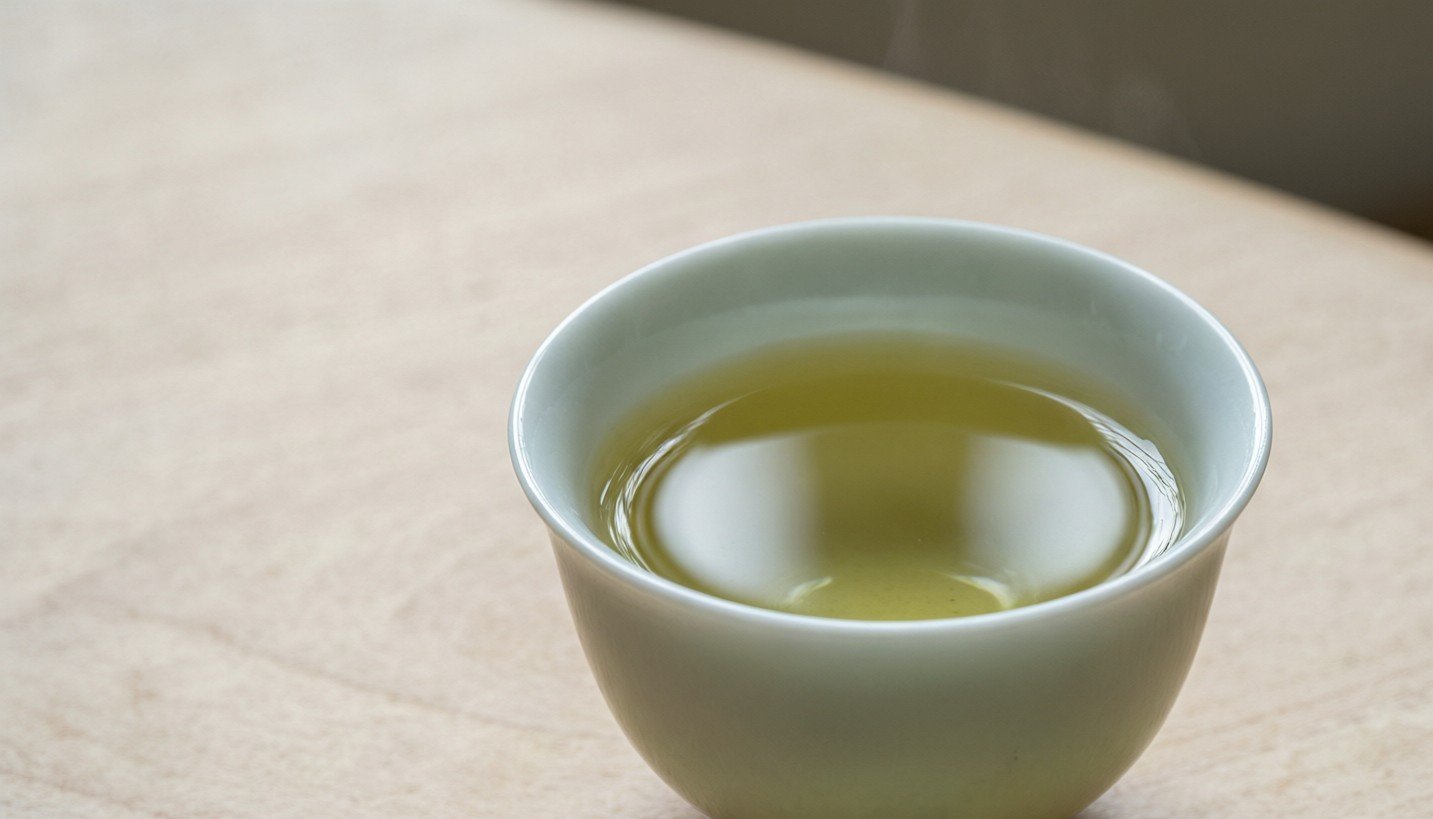
Pour the cold brew into a clear glass and look at it like a buyer, not just a drinker.
The liquor should be pale yellow to light golden-green, and it should be clear after straining. The aroma should sit somewhere between snow pear, white flowers, and damp stone. On the palate, the first thing you should notice is sweetness, not bitterness. After swallowing, there should be a cool, lingering sensation at the back of the mouth and under the tongue. In many Bingdao raw pu-erh cold brews, that cooling finish is the best clue that the leaf is doing what it should.
If the cup tastes mostly grassy, sour, or drying at the back of the throat, adjust the time downward first. If the problem remains after the 6-hour mark, test the same leaf hot. If it is still overly bitter and without the characteristic sweet return, the tea is probably not a true Bingdao raw pu-erh.
Who Should Try Bingdao Cold Brew, and Who Should Skip It
Try it if:
- You like raw pu-erh but find young sheng too aggressive hot
- You run a tea shop or café and need a premium cold-brew option
- You want to stretch a small amount of expensive leaf into a large batch
- You are developing a ready-to-drink tea concept and need a base with natural sweetness
Skip it if:
- You are evaluating a cake for long-term aging potential
- You want the full top-note aroma and layered texture of gongfu brewing
- The tea is stale, overly dry, or musty from poor storage
- You expect cold brewing to replicate the depth of a hot aged pu-erh session
Request Bingdao Raw Pu-erh Samples and Wholesale Details
We currently work with Chinese tea suppliers to help buyers match the right Bingdao raw pu-erh lot to their intended use. If cold brew is the main application, tell us that explicitly. The lot you would choose for a summer cold-brew menu is not necessarily the same lot you would choose for long-term collection.
When contacting us at xuansc2144@gmail.com, specify:
- Harvest year and harvest season
- Village or production area within the Bingdao zone
- Leaf grade and cake or loose format
- Target order quantity or MOQ
- Whether you need a cold-brew-specific sample
- Lab testing or certificate requirements
- Destination country for shipping and document support
We can help you arrange small test samples before you commit to volume, so you can run the cold-brew test yourself rather than relying on a product description.
FAQ
Is cold-brewed raw pu-erh lower in caffeine than hot-brewed raw pu-erh?
In most cases, yes. Cold water extracts caffeine more slowly and less completely than hot water [2]. The caffeine level will vary with leaf amount, leaf grade, and steep time, but a cold brew made with the same leaf-to-water ratio and a moderate steep is generally perceived as lighter and less stimulating than a hot gongfu session.
How long can I keep cold-brewed Bingdao pu-erh in the refrigerator?
Two to three days is a safe general window if the tea is strained promptly and stored in a clean, sealed container. After that, the cup may still be drinkable, but the fresh floral edge fades and the risk of off flavors or microbial growth rises. Do not store spent leaves in the liquid.
Can I re-steep the leaves after cold brewing?
Sometimes, but the second steep is usually much weaker. You can add fresh cold water for another shorter round of 6 to 8 hours, or use the leaves once as a light hot steep. Expect the sweetness to drop off quickly after the first cold extraction.
Do I need to rinse Bingdao raw pu-erh before cold brewing?
A quick cold or room-temperature rinse is enough. The main purpose is to remove dust or surface debris, not to "wake up" the leaf for cold brewing. Avoid using hot or boiling water as a rinse, since it starts extracting bitter compounds that you are trying to avoid.
Does cold-brewed raw pu-erh have the same health compounds as hot-brewed raw pu-erh?
It has a different extraction profile. Water-soluble polyphenols, caffeine, and some tea flavonoids are present in cold-brewed tea, but the total concentration and the balance among compounds can differ from hot-brewed tea. For a daily drink, this is not a reason to choose one method over the other; it simply means the two preparations are not interchangeable for every purpose.
References
[1] Standardization Administration of China. GB/T 22111-2008, Product of Geographical Indication — Pu'er Tea. Beijing, 2008.
[2] Harbowy, M. E., et al. "Tea Chemistry." Critical Reviews in Plant Sciences, vol. 16, no. 5, 1997, pp. 415-480.
No author description available.

白玉京