Chinese White Tea Market 2026: Trends Importers Must Watch
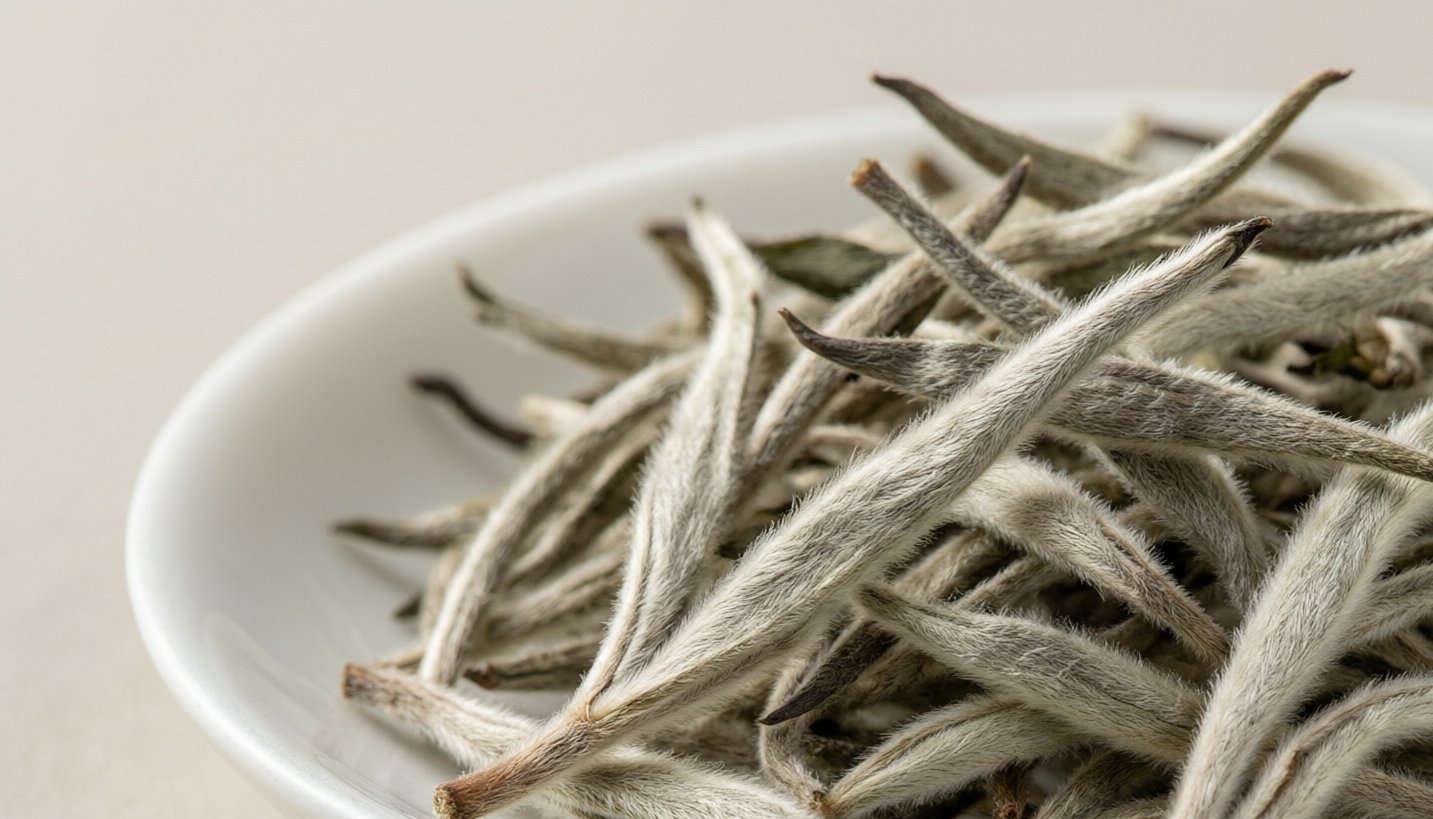
White tea has stopped being a quiet specialty side item. In 2026, importers are treating it as a separate planning category with its own harvest calendar, pricing tension, compliance path, and retail logic. China remains the dominant source, but the market is no longer one undifferentiated flow of Silver Needle and White Peony: grade polarization, aged inventory, traceability demands, and new formats are changing what buyers actually need to procure and document. Trade data from China Customs point to white tea export value growing much faster than volume from a small base, which signals that higher-value lots are doing much of the work [1].
The 2026 Chinese White Tea Market at a Glance
The broad tea market is facing pressure on volume and freight-sensitive margins, but specialty categories with clear origin stories have held value better than run-of-the-line commodity tea. The FAO Intergovernmental Group on Tea has repeatedly highlighted the shift toward quality-differentiated tea lines in import-dependent markets, and white tea is one of the clearest beneficiaries [2]. Within China, Fuding and Zhenghe in Fujian remain the anchor origins, while smaller programs in Yunnan, Guizhou, and Zhejiang are expanding the supply base.
What importers experience at ground level is a two-speed market. High-grade early-spring Silver Needle stays tight because usable bud-picking windows are short and weather-sensitive. At the same time, leaf-forward grades such as Shoumei and Gongmei have become volume lines for tea bags, cold brew, hospitality, and private-label blends. This is not a simple shortage story; it is a structural split between scarcity at the top and availability at the value end.
Five Trends Importers Should Watch
1. Premium Silver Needle Supply Tightens While Value Grades Broaden
The top of the white tea market is constrained by labor and timing. Silver Needle requires bud-only picking during a narrow early-spring window, and those windows have become less predictable as harvest patterns shift. USDA reporting on Chinese tea production notes that quality-focused buyers are paying more attention to harvest-dated lots rather than broad vintage claims [3]. Importers who need consistent Silver Needle should plan around specific harvest batches, not generic product codes.
At the other end, Shoumei and Gongmei are expanding into formats that did not use much white tea before: commercial tea bags, RTD bases, office programs, and private-label blends. The result is a market in which two buyers in the same meeting may be talking about completely different economics.
| Grade | Typical Leaf Basis | 2026 Import Positioning |
|---|---|---|
| Bai Hao Yin Zhen (Silver Needle) | Bud-only, early spring | Tight supply, harvest-dated lots, premium retail and gifting |
| Bai Mu Dan (White Peony) | Bud with young leaves | Balanced cost; café, boutique, and everyday premium programs |
| Gongmei | Slightly larger, leaf-forward | Value line with recognizable white tea character |
| Shoumei | Mature leaf, often aged or blended | Bulk, tea bags, RTD bases, long-shelf-life programs |
2. Aged White Tea Moves From Collector Curiosity to Retail Staple
Aged white tea was once a niche argument between collectors and skeptics. By 2026 it is showing up in retail and hospitality programs, especially in markets where consumers already understand aging from pu-erh. The market does not treat all aged white tea equally: properly dried, low-moisture lots with documented storage are what buyers request, while vague "aged" claims are losing credibility.
For importers, this changes inventory planning. A white tea line is no longer only a fresh-spring purchase. It can include fresh lots for immediate shelf placement and a smaller aged position for repeat customers, tasting programs, or higher-margin gift formats. The key is storage evidence: warehouse records, lot numbers, and moisture control matter more than age alone.
3. Origin Verification Becomes a Contract Requirement
Origin is moving from marketing language into documentation. Fuding white tea and Zhenghe white tea operate under recognized geographical indication frameworks in China, and importers are increasingly asking for the paperwork to match the label [4]. This is not only a retail claim issue; it affects how lots are received, priced, and defended if a customer questions authenticity.
The practical shift is that supplier selection now includes a verification layer: GI recognition, production area records, harvest dates, and batch traceability. An origin story without a document trail is no longer enough, especially for buyers supplying European or North American retail channels.
4. EU and US Compliance Pressures Reshape Sourcing
White tea is not inherently high-risk, but enforcement attention has moved across specialty tea categories. EU RASFF notifications for tea have concentrated on pesticide residue findings and unauthorized substances, and importers have learned to treat documentary compliance as a pass-or-fail issue [5]. The US FDA operates similar import alert mechanisms for adulterated or contaminated tea shipments, so a "border rejection" is no longer a remote concern [6].
For white tea specifically, importers should require current lot-level testing rather than relying on a factory's old certificate. The relevant controls depend on destination: EU maximum residue limits, US FDA import screening, and buyer-specific requirements for organic or residue-tested programs. A clean test report from one year does not automatically cover a new harvest lot.
5. RTD and Functional Formats Pull White Tea Into New Channels
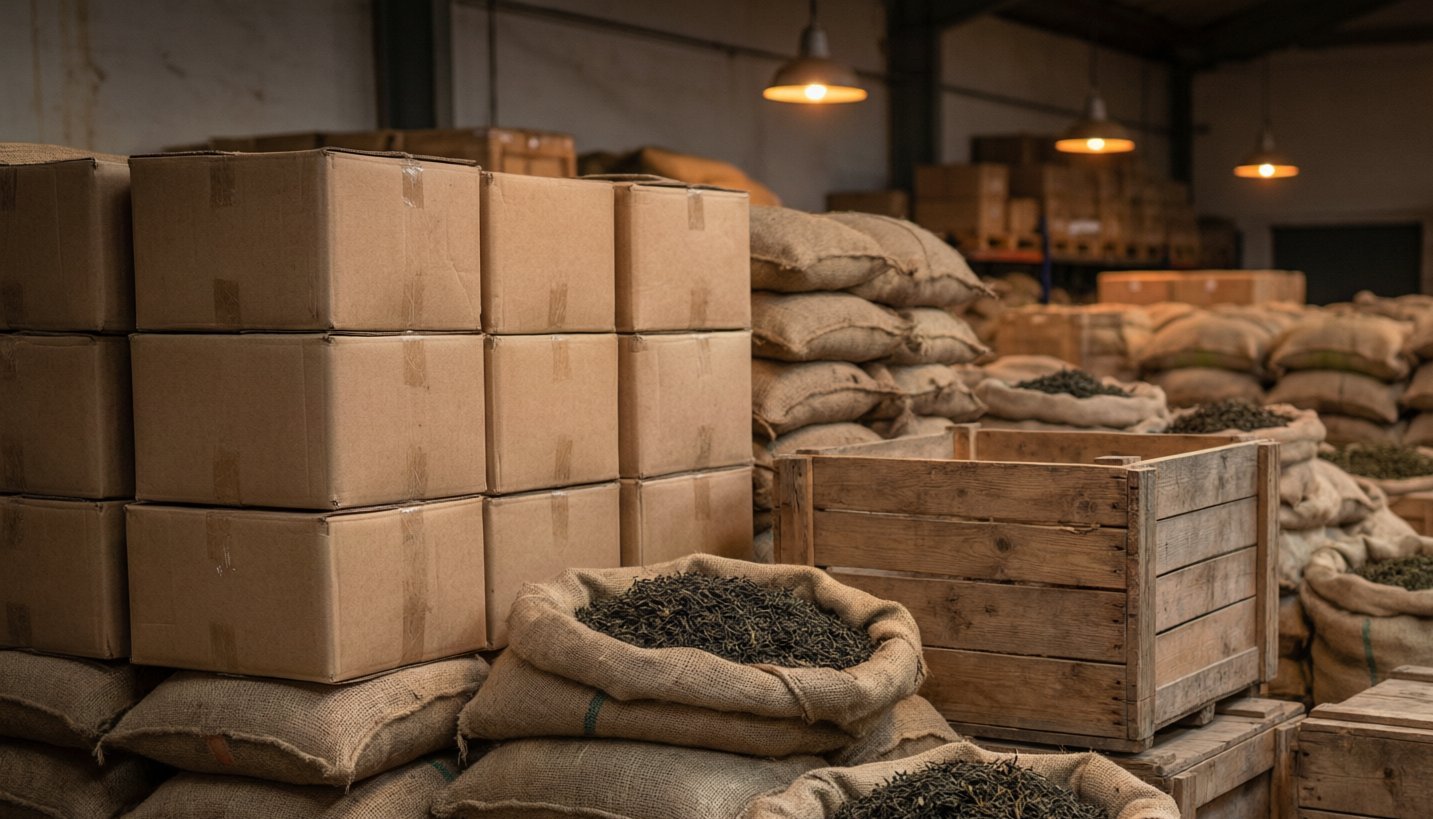
White tea's mild flavor and soft positioning have made it attractive to beverage developers. Cold brew, low-caffeine tea lines, and functional-positioned beverages now consume formats that barely existed for white tea a few years ago. This is a demand shift, but it is also a sourcing shift: RTD and extract programs require larger, consistent lots, longer contracts, and tighter specifications than loose-leaf retail buying [3].
Importers should not confuse this with the disappearance of loose-leaf white tea. The premium dry-leaf trade remains intact, but it is now supported by a second demand layer that competes for mid-grade leaf. That competition is one reason value-grade white tea has moved from cheap filler to contracted supply.
Turning These Trends Into a 2026 Buying Plan
The most durable buying strategy for 2026 is to separate three decisions: which grades to commit to, which documentation to demand, and which format to serve first. Top-grade Silver Needle works best as a narrow, harvest-dated positioning buy; White Peony offers a broader quality range for retail and hospitality; Shoumei and Gongmei suit volume programs where consistency and compliance matter more than rarity.
Ready to build a verified white tea program? Send your target grade, destination market, annual volume, and required compliance standard to 427728483@qq.com. The sourcing team will respond with current-lot availability, origin documentation, and a testing plan matched to your market.
Plan Your 2026 White Tea Program With Verified Lots
If you are purchasing Chinese white tea this year, start the inquiry with a clear specification rather than a vague product name. Our Chinese tea sourcing team can help you work through the variables that matter:
- Fuding or Zhenghe origin verification, including GI-aligned documentation
- Silver Needle, White Peony, Gongmei, or Shoumei grade selection
- Fresh-lot and aged-lot supply options with storage records
- EU MRL, US FDA, organic, or buyer-specific residue testing
- Bulk loose leaf, tea bag cut, RTD base, or private-label packaging
- Harvest-dated lots for premium programs and stable-lot sourcing for volume lines
- Documentation support for import clearance and retail labeling
Contact 427728483@qq.com with your target market, volume, and format. We will return with current availability and the compliance documents attached to each lot.
FAQ
What is driving Chinese white tea demand in 2026?
Three forces are driving demand: the broader specialty tea shift toward origin-specific products, the entry of white tea into RTD and low-caffeine beverage programs, and the expansion of aged white tea from collector circles into retail.
Which white tea grades should importers stock first?
For premium retail or gifting, start with early-spring Silver Needle in small, harvest-dated batches. For everyday retail and café programs, White Peony offers the best balance. For volume, tea bag, or RTD programs, Gongmei and Shoumei are more consistent and cost-efficient.
Is aged white tea a safe inventory bet?
Aged white tea can build margin and customer loyalty, but it is only as good as its storage record. Importers should buy aged lots only with documented storage, low-moisture handling, and traceable original harvest information.
How do EU and US compliance rules affect white tea imports?
EU RASFF enforcement and US FDA import screening have raised the cost of thin documentation. Importers need current lot-level pesticide and residue testing matched to destination limits, not a single historical certificate.
How should importers verify Fuding or Zhenghe origin claims?
Ask for GI-aligned documentation, production area records, harvest dates, and batch traceability. If a supplier cannot connect the lot to a defined growing area, treat the origin claim as unverified.
References
[1] General Administration of Customs of the People's Republic of China. China tea export statistics, 2024–2025. Accessed 2026. https://www.customs.gov.cn
[2] FAO Intergovernmental Group on Tea. Tea market outlook and quality-differentiation trends. Rome: FAO, 2025. https://www.fao.org/markets-and-trade/commodities/tea/en/
[3] USDA Foreign Agricultural Service. China: Tea Annual Report. Washington, DC: FAS, 2025. https://apps.fas.usda.gov
[4] China National Intellectual Property Administration. Geographical indication registry for Fuding and Zhenghe white tea. Beijing: CNIPA. Accessed 2026. https://www.cnipa.gov.cn
[5] European Commission. RASFF food and feed safety alerts: tea notifications, 2024–2025. Brussels: European Commission. https://food.ec.europa.eu/safety/rasff_en
[6] U.S. Food and Drug Administration. Import alerts for tea-related adulteration and residue screening. Silver Spring, MD: FDA. Accessed 2026. https://www.fda.gov
No author description available.

白玉京