Bingdao Pu-erh Health Benefits: What Science Says
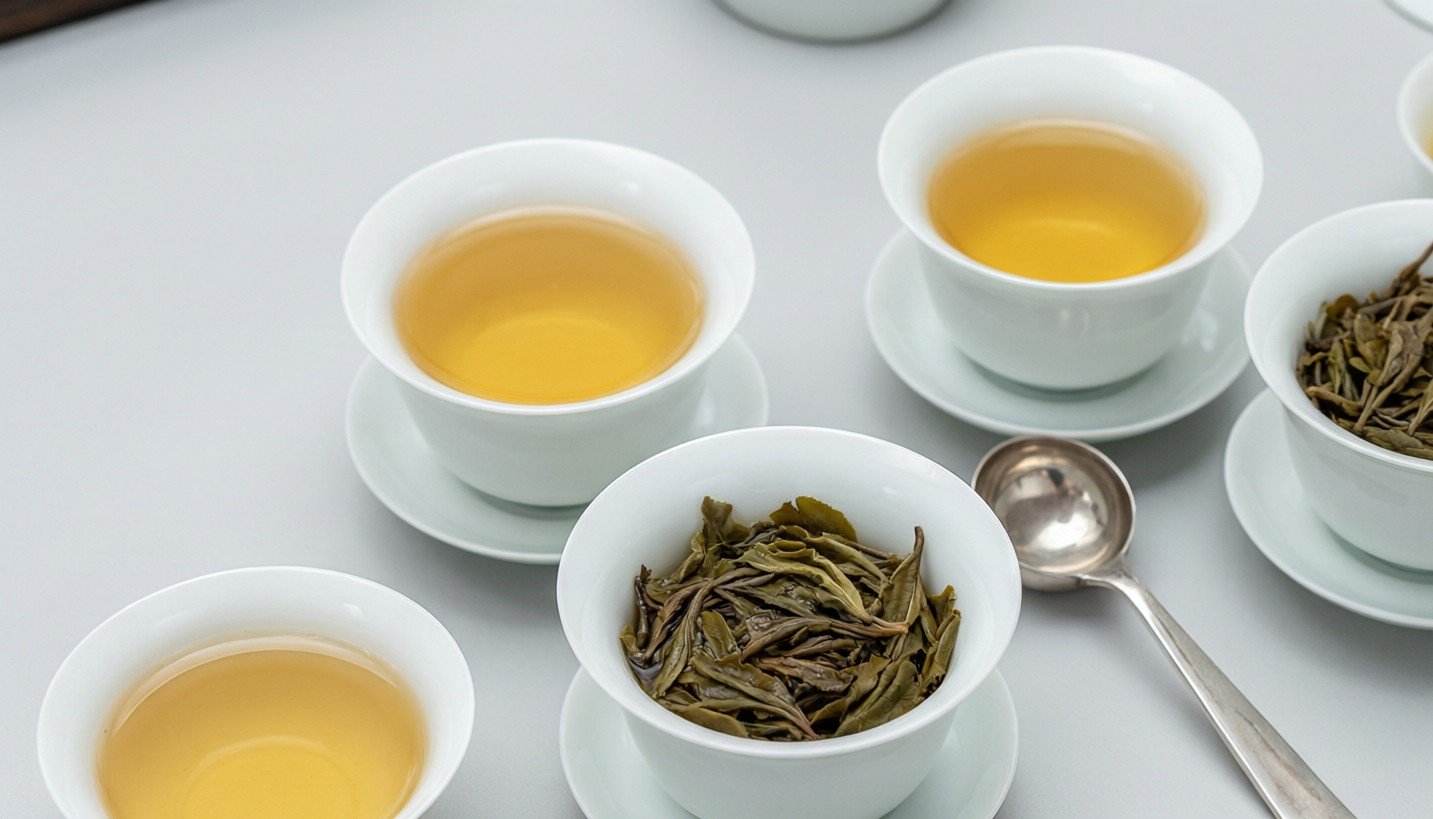
Bingdao pu-erh is one of the most requested names in premium Yunnan tea. It is also one of the most overexplained wellness topics in the tea trade. This article separates what published evidence and production standards actually support from what is mostly marketing language.
What Is Bingdao Pu-erh, Exactly?
Bingdao is a place name, not a processing method or a health certification. The villages around Bingdao in the Mengku tea-growing area of Lincang, Yunnan, are known for large-leaf tea trees often described as a local type of Camellia sinensis var. assamica. Raw Bingdao pu-erh is prized for a sweet, low-bitterness profile, a soft mouthfeel, and a long returning sweetness in the throat.
As a category, Pu-erh tea is defined in China by a product-of-geographical-indication standard covering raw material, processing method, and producing area [1]. That standard sets what qualifies as Pu-erh, but it does not grade tea by health effect.
Which Compounds Give Pu-erh Its Reputation
Tea leaves contain polyphenols, including catechins, flavonoids, and gallic acid derivatives. During pu-erh fermentation and aging, some of these compounds oxidize and transform into more complex fractions, such as theabrownins, while microbial activity changes the leaf. Reviews of tea polyphenol research describe plausible mechanisms in cell and animal models: reducing oxidative stress, altering lipid metabolism, and shifting gut microbiota [2].
Plausible mechanisms explain why tea is studied, but they do not mean drinking Bingdao pu-erh will move a specific biomarker in a predictable way. Human trials tend to show smaller and more variable effects than laboratory models suggest [2].
What the Evidence Says About Common Health Claims
The claims below are the ones most often attached to Bingdao pu-erh. The research is real, but the size of the effect matters.
Cholesterol and Blood Lipids
Some human studies report modest improvements in total and LDL cholesterol with regular green or black tea consumption. Fermented pu-erh has shown similar directions in animal work and small human trials, but the effect is modest and depends on baseline diet, dosage, and individual response [2].
Weight and Metabolism
Tea polyphenols may influence energy expenditure and fat oxidation in experimental conditions, but the effect in humans is small and inconsistent. The evidence does not support using tea as a replacement for calorie control, exercise, or medical treatment [2].
Gut Health
Fermentation and aging change pu-erh’s microbial profile and create post-fermented compounds. Animal studies suggest changes in gut microbiota composition, but human data are limited and do not yet justify strong gut-health claims about any single village’s tea [2].
Blood Sugar and Insulin Sensitivity
Some tea polyphenol research points to possible support for insulin sensitivity, but the evidence remains preliminary and disease-specific. It does not establish that Bingdao pu-erh can treat or prevent diabetes [2].
Need verified Bingdao pu-erh for your range? If you are comparing lots, ask for lot-specific test reports before committing. Chinese tea suppliers can help match grade, production season, and target-market compliance. Contact 427728483@qq.com with your volume and specification.
Where the Hype Takes Over
The strongest place-name marketing positions Bingdao as uniquely therapeutic. That is not what the current data shows. Tea chemistry varies with cultivar, picking standard, processing method, storage, and leaf maturity. Origin influences flavor and value, but strong medical claims tied to a single village are not supported by published clinical research [2].
Similarly, terms such as “detox” and “cure” are not regulated medical language for tea. Tea is a beverage. It can be part of a healthy diet, but it is not a drug.
Caffeine, Storage, and Daily Drinking Limits
Caffeine in pu-erh varies widely. Raw pu-erh tends to be more stimulating than heavily fermented ripe pu-erh, but actual caffeine content depends on leaf grade, water temperature, and steep time. Treat any single caffeine number on a sales page as an estimate unless it comes from a laboratory test.
For healthy adults, EFSA reviewed caffeine safety and concluded that habitual intake up to 400 mg per day from all sources is not a safety concern. Pregnant women should limit caffeine intake to 200 mg per day from all sources [3].
Storage matters for flavor and value, but it does not make aged tea a stronger medicine. Clean, controlled aging preserves the qualities buyers expect; it does not create a clinical effect on its own.
How to Buy Bingdao Pu-erh Without Overpaying
Because Bingdao carries a wide price spread, focus on verifiable buying signals: harvest year, village or subregion, tree age if claimed, processing date, and third-party test results for pesticide residues and heavy metals. Request a sample, taste it side-by-side against alternatives, and ask for the producing factory or farmer cooperative name.
Lab reports matter more than narrative. A clean report does not prove medicinal benefit, but it confirms the tea is safe to sell.
For wholesale Bingdao pu-erh with inspection support, send your target MOQ, market, and grade to 427728483@qq.com. A clear specification helps suppliers match the right lot without guesswork.
The Bottom Line
Bingdao pu-erh is a genuinely distinctive Yunnan tea with strong origin character and legitimate tea chemistry. What the evidence does not support is the idea that Bingdao is a clinical treatment or that more expensive village tea is automatically healthier. Buy it for the flavor, the origin, and the supply chain you can verify.
Get a Bingdao Pu-erh wholesale quote.
If you are sourcing Bingdao pu-erh for retail, e-commerce, or hospitality:
- Specify raw (sheng) or ripe (shou), harvest year, and grade.
- Request third-party pesticide-residue and heavy-metal reports.
- Share your target market, volume, and packaging needs.
- Ask us to match the lot to your cupping standard.
Contact Chinese tea suppliers at 427728483@qq.com for a verified sourcing shortlist.
FAQ
Does Bingdao pu-erh lower cholesterol?
Some tea research shows modest lipid changes, but Bingdao-specific clinical proof is absent. The effect size is small and depends on overall diet and individual response [2].
Is aged Bingdao pu-erh healthier than young Bingdao?
Storage changes aroma, texture, and flavor. The idea that older pu-erh is automatically more therapeutic is not established by clinical data [2].
How much Bingdao pu-erh can I drink per day?
Focus on total caffeine. Healthy adults can generally stay under 400 mg per day from all sources, while pregnant women should use a 200 mg per day limit [3].
Does Bingdao pu-erh help with weight loss?
The effect is small and inconsistent in human studies. It should not replace diet, exercise, or medical care [2].
References
- GB/T 22111-2008. Product of geographical indication—Pu’er tea. Standardization Administration of China.
- Yang CS, Zhang J, Zhang L, Huang J, Wang Y. Mechanisms of body weight reduction and metabolic syndrome alleviation by tea. Mol Nutr Food Res. 2016;60(1):160-174. doi:10.1002/mnfr.201500428.
- EFSA NDA Panel. Scientific Opinion on the safety of caffeine. EFSA Journal. 2015;13(5):4102. doi:10.2903/j.efsa.2015.4102.
No author description available.

白玉京