Best Time to Buy Fuding White Tea: A Harvest Season Buyer’s Guide
Fuding white tea does not have a year-round buying calendar. Its quality and price move with a compressed spring harvest window in Fuding, northeastern Fujian, where Baihao Yinzhen, Bai Mudan, Gongmei, and Shoumei are made from the same seasonal material but picked and graded at different moments [1]. The right time to buy therefore depends less on finding tea and more on knowing which grade you need and when that grade reaches its best available condition.
How the Fuding White Tea Harvest Calendar Works
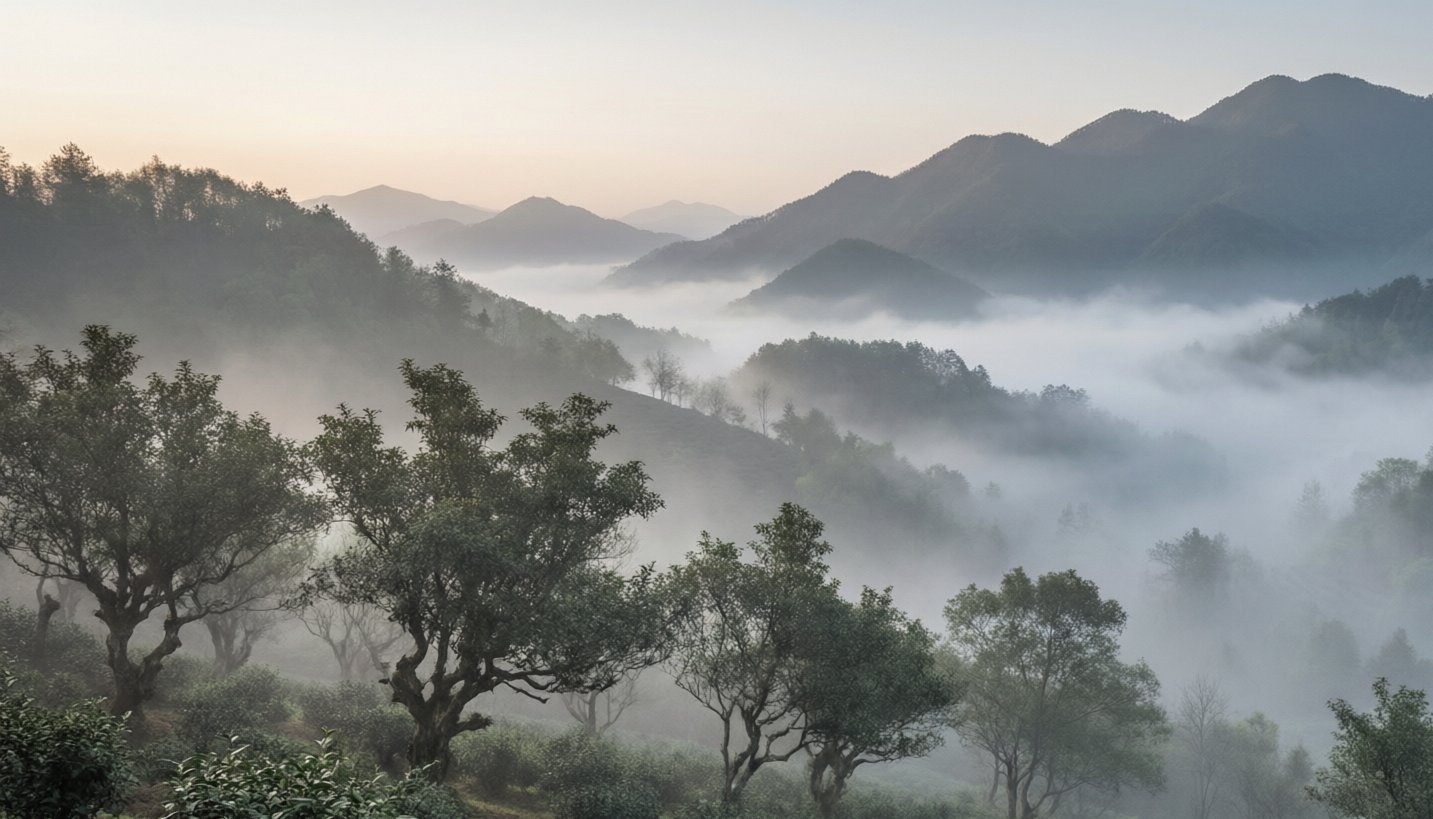
The spring Fuding white tea season runs from late March through mid-May. The first plucking begins when new buds are still tight and covered with fine white down, producing Baihao Yinzhen, or Silver Needle. As leaves open, production shifts to Bai Mudan, then to the leaf-grade Gongmei and Shoumei styles [1][2].
Two solar terms frame the season: Qingming, usually April 4–6, and Guyu, usually April 19–21. These dates are practical reference points for importers because they separate early, high-value plucks from later, larger-volume material [2].
| Grade | Typical plucking window | What it means for buyers |
|---|---|---|
| Baihao Yinzhen | Late March to Qingming | Earliest grade, tightest supply, highest price |
| Bai Mudan | Qingming to mid-April | Strong balance of bud and leaf, wide commercial use |
| Gongmei | Mid-April to late April | Leaf-grade white tea, dependable everyday quality |
| Shoumei | Late April through May | Large-leaf material, ideal for aging and blending |
Some Fuding producers also make an autumn White Dew harvest, mainly from Gongmei or Shoumei material. Spring remains the reference window for premium white tea and the season most international buyers track [2].
The Best Buying Window by Grade
Baihao Yinzhen: Buy Early, or Reserve Before Picking
Silver Needle is the shortest and most weather-sensitive window. Serious buyers often finalize orders in February or early March, before plucking begins, rather than waiting for finished lots to appear [2][3]. Finished Silver Needle usually becomes available from April, but the best parcels are frequently allocated before they reach open spot markets.
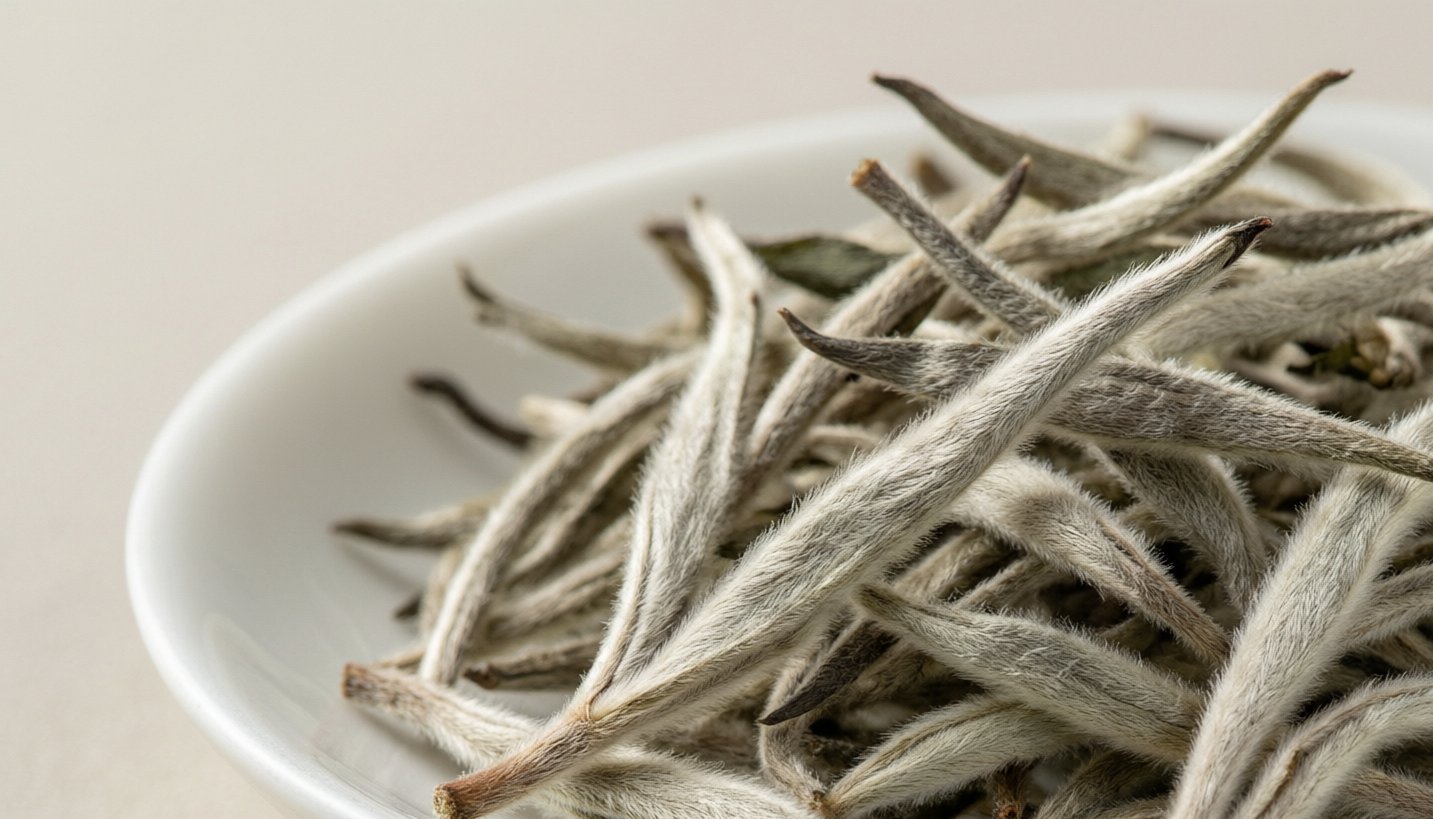
For a buyer who needs only limited volume, spot purchasing in April is still possible. For a private-label or repeat wholesale program, early reservation is the more reliable route because it locks homogeneous material from a single plucking period.
Bai Mudan: The Most Flexible Window
Bai Mudan is the commercial middle ground. It is picked from around Qingming into mid-April, when the weather is more settled and volume is higher than Silver Needle [1][2]. Buyers looking for the best price-to-quality ratio often concentrate here. The practical buying period is from just before Qingming through the final firing stage, when enough lots are available to compare without sacrificing spring freshness.
Gongmei and Shoumei: Buy as Volume Rises
Gongmei and Shoumei enter the market from mid-to-late April onward. As larger-leaf material, these grades are less fragile and more affordable. They suit daily drinking lines, loose-leaf retail, and programs built around aged white tea [3]. The lower price point also makes them easier to order in larger volume without the supply pressure of Silver Needle.
Price Dynamics Across the Season
Fuding white tea prices begin at their highest point with Silver Needle, then ease as Bai Mudan, Gongmei, and Shoumei add volume. This does not mean later always equals cheaper across the board. Early spring teas carry a scarcity premium, while later grades carry lower unit costs but a different quality profile [3].
Buying directly during the harvest rush can also produce a short-term premium because producers are selling against high demand and limited firing capacity. Buying a few weeks after the initial wave can sometimes lower spot prices, but the trade-off is that the most consistent top-grade lots may already be committed. A practical sequence for importers is to reserve Silver Needle in March, compare Bai Mudan lots in April, and complete Gongmei or Shoumei orders in May when volume peaks.
If you need a supplier to align your order size and grade with these windows, email xuansc2144@gmail.com with your target grade, quantity, and delivery port before the season opens. This makes it easier to reserve material before the window you care about closes.
Spring Buying Checklist for Fuding White Tea
Before confirming any spring order, confirm the following with your supplier:
- The specific plucking window, not just “spring 2026”
- The grade under GB/T 22291, including raw material variety where relevant [1]
- The batch or lot number linked to a harvest date and processing date
- The processing method and final moisture control
- Whether pre-shipment samples, cupping notes, or third-party test reports are available
- The expected production completion and shipment date, usually from May into June
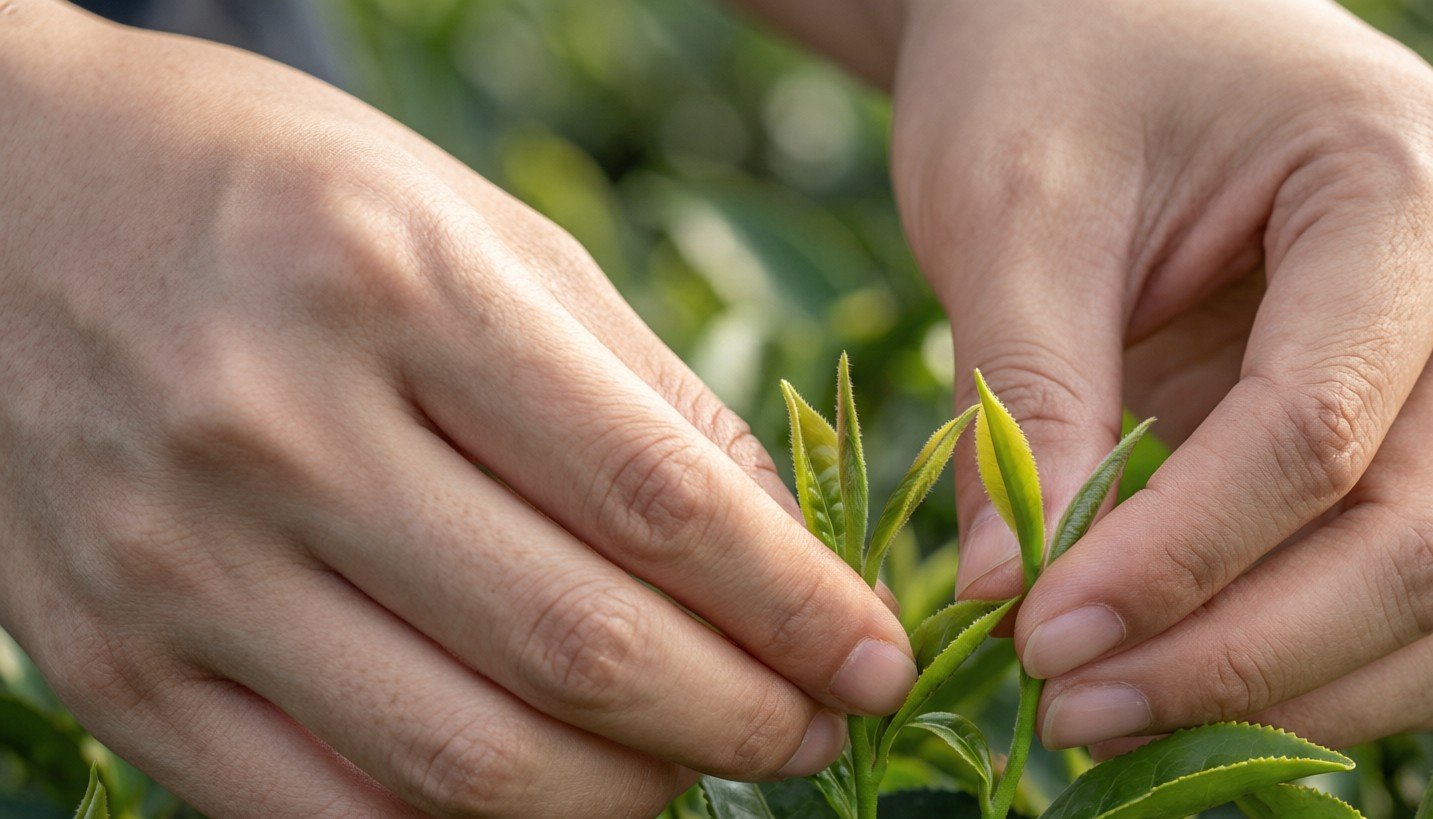
Grade alone is not enough. Two Bai Mudan lots from the same week in April can differ based on weather, withering control, and leaf maturity, so batch-level information matters more than a brochure description.
Spring Tea or Aged White Tea: Which Should You Buy Now?
The best time to buy also depends on what you plan to sell. If you want the bright, honeysuckle-like freshness of young Fuding white tea, buy the current spring harvest and import it after final sorting. If you are building an aged white tea program, the current spring is still the best starting point because it gives you a known harvest date and full control over storage from day one [2].
Aged Fuding white tea can be purchased in any season, but it should come with storage history, age verification, and a sample that reflects the actual parcel. For new inventory, buying in spring lets you begin aging before the hot, humid summer transit window arrives.
Storage and Arrival Timing
Fuding white tea must stay sealed, dry, clean, and odor-free. Wholesale cartons should not sit directly on floors or near loading doors where moisture can enter. For spring lots, the production sequence usually means the tea is ready for export from late spring to early summer, so buyers should plan freight timing carefully.
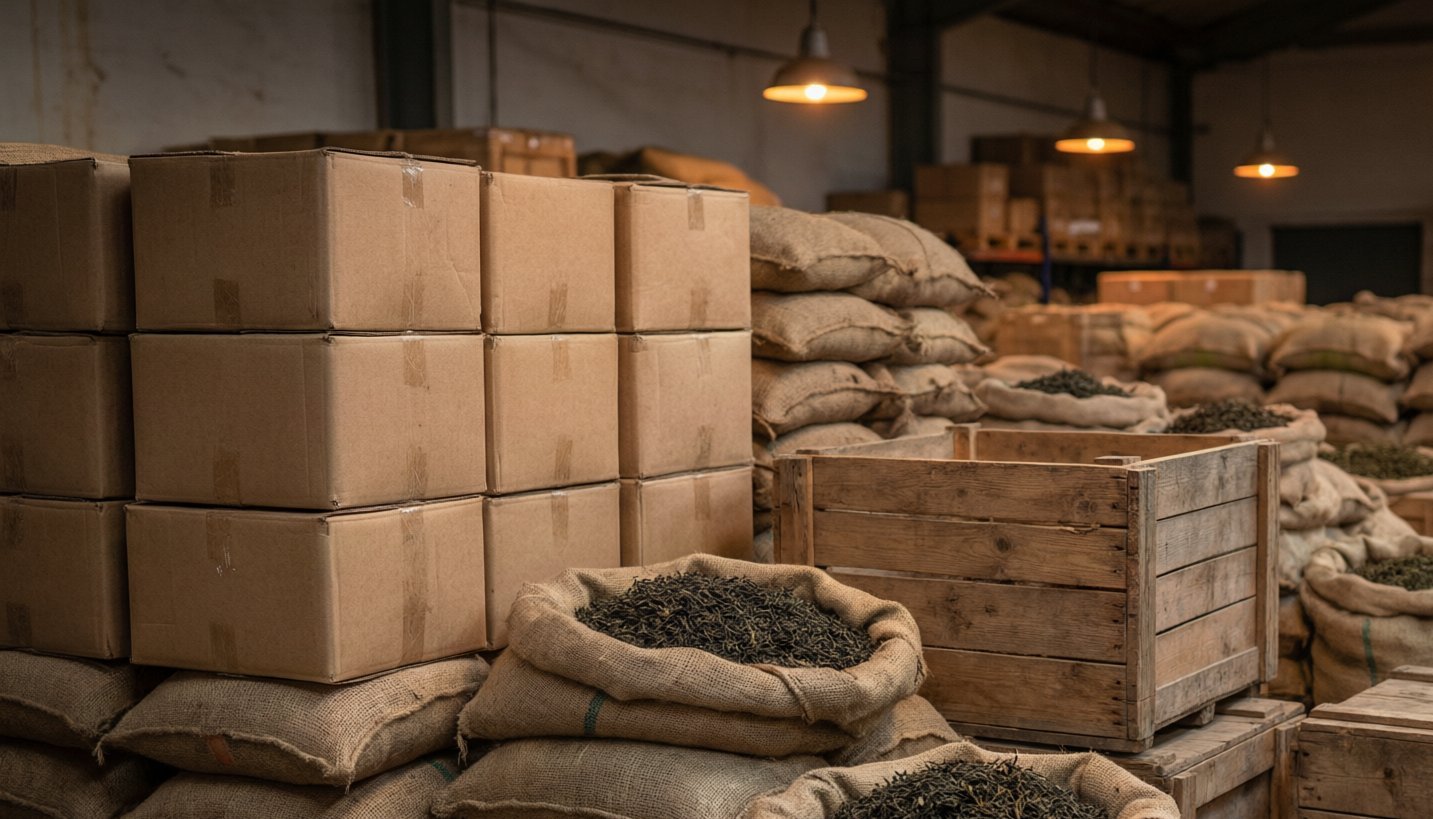
The buying decision is not complete when the invoice is paid. The arrival condition is what your customers actually receive, so storage and transit conditions deserve the same attention as plucking dates.
Plan Your Fuding White Tea Purchase Now
The most expensive mistake in white tea sourcing is waiting until the grade you need is already packed and allocated. The better approach is to map your product line to the harvest calendar: Silver Needle for premium gifting or limited release, Bai Mudan for a balanced core range, and Gongmei or Shoumei for value and aging lines.
Chinese tea suppliers work with buyers to plan grade selection, plucking windows, sample rounds, and shipment timing before the spring season begins. To request the upcoming harvest plan or discuss a specific Fuding white tea specification, contact us at xuansc2144@gmail.com.
Frequently Asked Questions
When is the earliest Fuding white tea available each year?
The earliest commercial grade is Baihao Yinzhen, picked from late March. Finished lots normally become available in April, while pre-orders can be secured from February or early March [2].
Which grade offers the best balance of price and quality?
Bai Mudan is the most common choice for buyers who want both quality and margin. It offers more leaf material than Silver Needle, a lower price, and enough supply to compare lots during the Qingming-to-mid-April window [2][3].
Can I buy Fuding white tea outside spring?
Yes. Some producers make an autumn White Dew harvest, and aged Fuding white tea is available year-round. However, the premium spring grades are tied to the March–May window [2].
How far in advance should importers place spring orders?
For Silver Needle and early Bai Mudan, February to March is the typical reservation period. For Gongmei and Shoumei, April is usually early enough to secure volume before the season closes [3].
Does buying directly at harvest guarantee the lowest price?
Not always. The harvest period can carry a short-term demand premium. Later spot buying may be cheaper, but the most consistent high-grade lots may already be allocated, so price and availability must be evaluated together [3].
References
[1] National Standard of the People’s Republic of China, GB/T 22291-2017, Product of geographical indication—Fuding white tea.
[2] Fuding Municipal People’s Government, Fuding White Tea Harvest and Processing Guide.
[3] China Tea Marketing Association, China Tea Market Report: Spring Tea Season.
No author description available.

白玉京