Best Jingshan Green Tea Brands: What’s Actually Worth the Money
If you buy Jingshan green tea by brand name alone, you are likely to pay for packaging, not quality. The better question is not which label to trust, but which signals — origin, plucking standard, harvest date, and batch evidence — predict a cup that justifies the price. This guide ranks value by those signals, for importers, retailers, and cafe buyers.
Why Jingshan Green Tea Can Be Worth the Premium
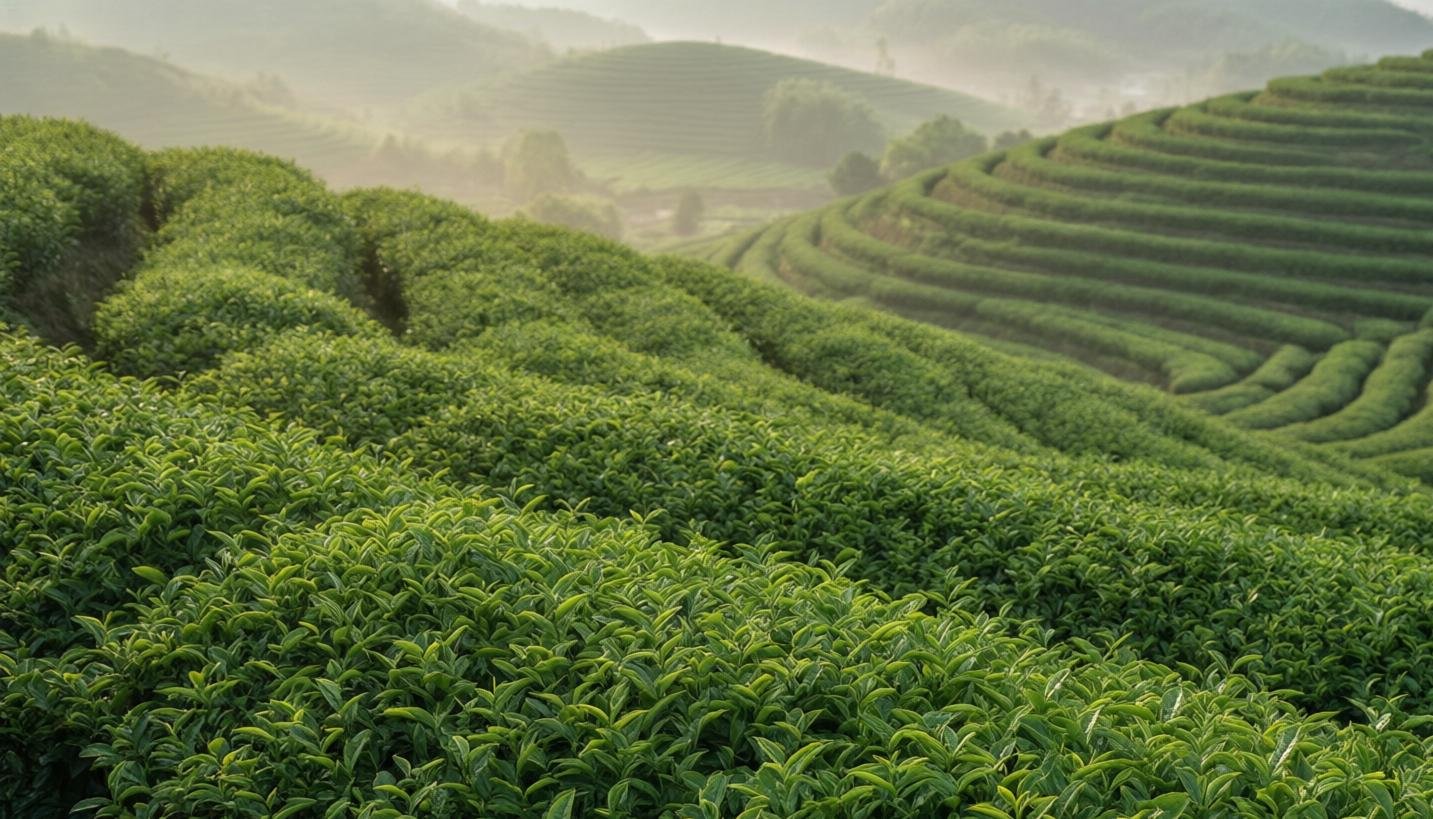
Jingshan green tea comes from Yuhang District in Hangzhou, northern Zhejiang, on and around Jingshan Mountain. It is one of China's oldest named teas: the nearby Jingshan Temple, founded during the Tang dynasty, became a major center of Zen Buddhist tea practice, and the tea culture practiced there influenced the development of the tea ceremony in Japan [1][2]. Lu Yu, author of The Classic of Tea, is closely connected to the Hangzhou tea landscape, and his framework still shapes how Chinese green tea is described and judged [2].
The name is also formally protected. Jingshan tea is registered in China as a geographical indication product, meaning the designation should only appear on tea made from designated gardens in the region [1]. Mist, high humidity, and moderate mountain elevation give the leaf a tender texture and a sweet, chestnut-and-floral cup that steeps with less sharpness than many lower-altitude greens. That regional character is the first thing worth paying for; generic "Zhejiang green tea" is not the same product.
Grading and Price Tiers: What the Market Actually Reflects
Green tea grades rest on standards, not brand storytelling. China's GB/T 14456 establishes graded definitions for green tea, while ISO 11287 defines green tea and its basic product requirements; both treat plucking standard and processing quality as the core of grade [3][4].
To see why processing matters more than a premium label, compare two early-spring lots: one that was fixed, or heated to stop oxidation, within hours of picking, and another that sat in a harvesting basket until the next morning. The first lot keeps a bright, fresh aroma and a clear liquor; the second tastes flat even if the raw leaf looked identical at purchase. When a supplier cannot state picking date and processing timing, the brand name is carrying more weight than the tea.
| Value tier | Typical leaf standard | Relative wholesale price | What the money buys | When it is worth it |
|---|---|---|---|---|
| Standard commercial spring lot | One bud, two leaves; machine-assisted finishing | 1.0× baseline | Clean chestnut cup and reliable volume | Cafe and daily retail |
| Mingqian bud-and-leaf | One bud, one leaf; picked before Qingming | Roughly 1.5–2.5× | Sweeter, more aromatic, tender liquor | Specialty retail core |
| Premium single-bud Mingqian | Mostly buds, hand-sorted, small batches | Roughly 4–8× | Delicate umami, floral aroma, long finish | High-end retail and gifting |
| Ceremonial gift packaging | Any grade plus ornate box | 2× or more over equivalent leaf | Presentation, not cup quality | Gifting only |
| Off-origin "Jingshan-style" blend | Mixed origins, vague grade | Unclear | Little, unless disclosed and priced accordingly | Rarely |
Multiples are indicative, not fixed quotes. Spring yield, weather, and lot size move them every season, so use the table to compare structure rather than to lock a price.
A sourcing note before you commit to a lot: grade names and price multiples alone will not protect the order. Send your target grade, annual volume, destination, and sample requirement to 427728483@qq.com and ask for a current lot offer against your specification. That single step separates a real supplier from a box mover.
Five Red Flags That Quietly Destroy Value
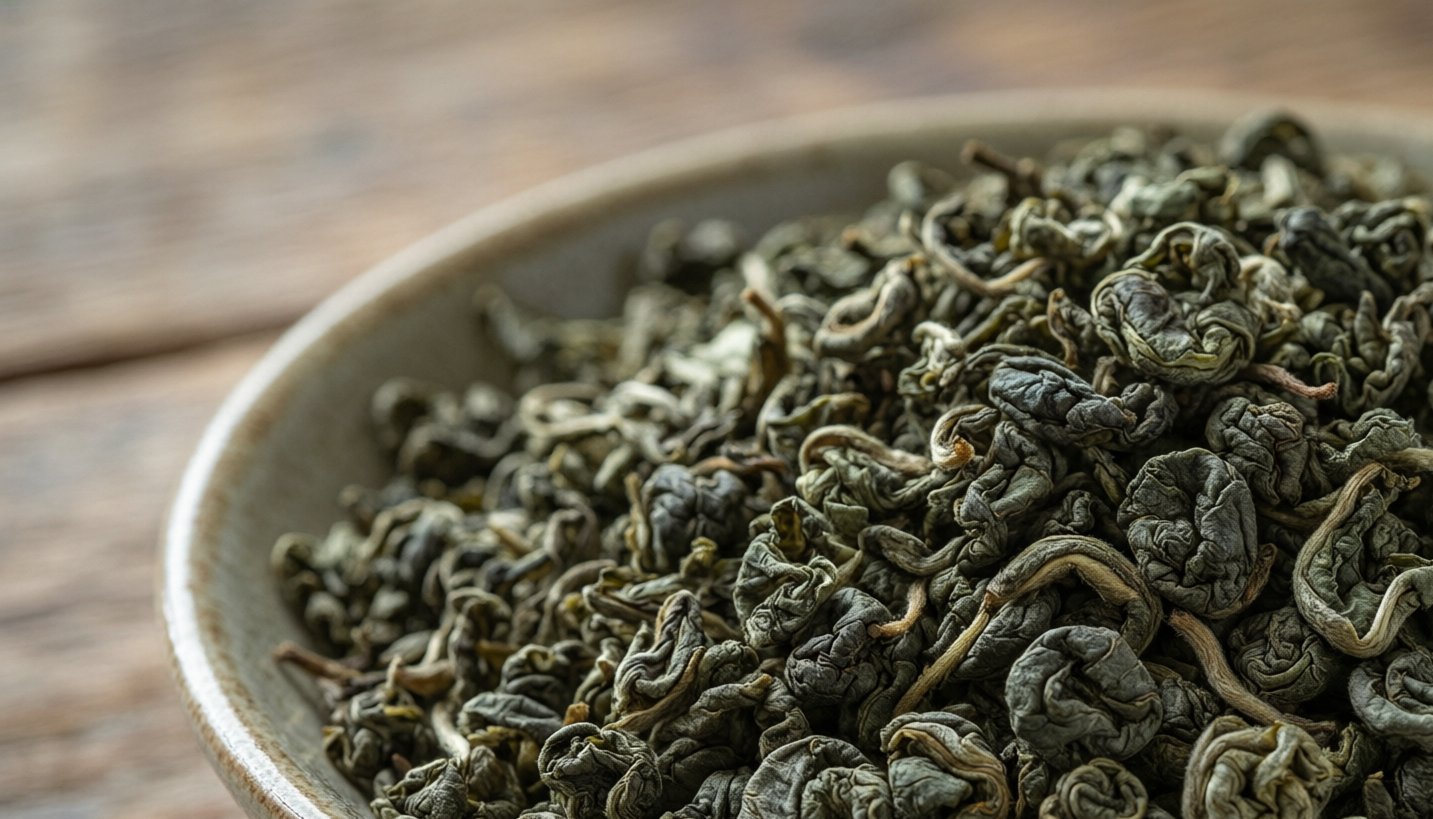
Flat or stale aroma. Green tea is freshness-driven. If a sample smells dull or papery, the lot has likely been stored too long or too warm, regardless of the label.
Vague "Mingqian" claims. Early-spring tea carries a premium because yields are small and the leaf is tender. A seller who claims Mingqian but cannot give the harvest date or picking standard is asking you to pay for a word, not a fact.
Off-origin blending. Some lots mix Jingshan garden tea with lower-cost leaf from elsewhere and keep the famous name on the pack. The geographical indication exists precisely to prevent this [1].
Packaging over substance. Ornate boxes can add more to the invoice than the leaf inside. Buy the tea first and the box separately when gifting.
No test documentation. Green tea sold across borders should come with current residue and moisture testing. China's GB 2763 sets maximum residue limits for pesticides in food, and serious exporters routinely share reports against it [6].
A Seven-Point Brand Evaluation Framework
| Evaluation point | What to ask | What a passing answer looks like |
|---|---|---|
| Origin proof | GI authorization, origin lot number, garden location | Specific village or garden area, not a province |
| Harvest date | Exact picking date and spring window | A clear date, not just "spring 2026" |
| Grade | Plucking standard, bud-to-leaf ratio | Matches the grade claimed on the offer |
| Sensory sample | Cupping sample against bulk | Consistent aroma, liquor color, and finish |
| Lab report | Pesticide MRLs, moisture, ash | Current report aligned to destination rules [6] |
| Price transparency | Breakdown of leaf cost, processing, packaging | Seller explains why one lot costs more than another |
| Storage | Cold, dry, sealed handling before shipping | Clear rotation and sealing practice |
When cupping samples, use a consistent water temperature and ratio so comparisons are fair [5]. If a supplier resists any of these questions, that reluctance is itself a pricing signal.
The Verdict: What Is Worth It, by Buyer Type
For specialty retail, the honest value sits in Mingqian bud-and-leaf lots with traceable origin and restrained packaging. The cup improves clearly over commercial picks, and the story is defensible.
For cafe and daily use, a well-processed standard spring lot usually gives the best cup per dollar. Freshness and consistency matter more than a famous label here.
For gifting, buy an authentic origin and a modest box rather than a vague grade inside an expensive one. The recipient tastes the tea, not the foil.
For everyone, reject any lot that cannot pass the seven-point table above. The brands worth the money are the ones that answer the table cleanly — not the ones with the most familiar name.
Talk to a Sourcing Team
To have a lot matched to your margin model, send the following to 427728483@qq.com:
- Intended grade, plucking standard, and harvest date
- Annual volume or initial trial size
- Destination market and documentation needs
- Loose leaf, retail packs, or private label
- Target price band and sampling requirement
The more specific your brief, the faster a real current offer can be prepared.
Frequently Asked Questions
Is Jingshan green tea the same as Longjing?
No. Both come from Zhejiang and both are pan-fired greens, but Jingshan tea is tied to Jingshan Mountain in Yuhang and has a softer leaf shape and rounder cup. Longjing has its own protected origin and characteristic flat leaf.
Does "Mingqian" always mean better?
Not automatically. Pre-Qingming picks tend to be tender and aromatic and command higher prices because early-spring yields are small. A poorly processed Mingqian lot can still be worse than a well-made later-spring lot.
How can I verify a seller's origin claim?
Ask for the geographical indication authorization or origin certificate, harvest date, batch number, and a sample against the bulk. Current pesticide, moisture, and ash reports under the relevant food safety standard add another layer.
Is more expensive Jingshan tea always worth it?
For cup quality, price rises steeply above premium bud-and-leaf grades while cup quality plateaus. Beyond that point you pay for rarity, hand-sorting, or packaging, not proportionally better tea.
How should Jingshan green tea be stored?
Keep it sealed, cool, dry, and away from light and strong odors. Green tea is a freshness product; rotate stock quickly and avoid warehousing it the way aged tea is stored.
What if I only want a small trial order?
Wholesale minimums vary by supplier. Request samples first, cup against the framework above, and confirm the offered bulk matches the sample before committing to volume.
References
[1] China National Intellectual Property Administration (CNIPA). Geographical Indication Product List — Jingshan Tea (径山茶).
[2] Lu Yu. The Classic of Tea (Cha Jing). English translation by F. R. Carpenter. Boston: Little, Brown and Company, 1974.
[3] Standardization Administration of China. GB/T 14456-2017, Green tea.
[4] International Organization for Standardization. ISO 11287:2011, Green tea — Definitions and basic requirements.
[5] International Organization for Standardization. ISO 3103:2019, Tea — Preparation of liquor for use in sensory tests.
[6] National Health Commission of the People's Republic of China. GB 2763-2021, National food safety standard — Maximum residue limits for pesticides in food.
No author description available.

白玉京