Banzhang Pu-erh Tea Cost in 2026: Real Wholesale Prices
Banzhang Pu-erh is not one tea at one price. In 2026, a buyer can see quotes from roughly 600 RMB per kilogram for younger plantation material to more than 60,000 RMB per kilogram for single-tree Laobanzhang spring maocha. The gap comes from geography, tree age, harvest season, and whether you are buying loose maocha or a finished cake. This guide explains the price structure so you can compare quotes on the same basis.
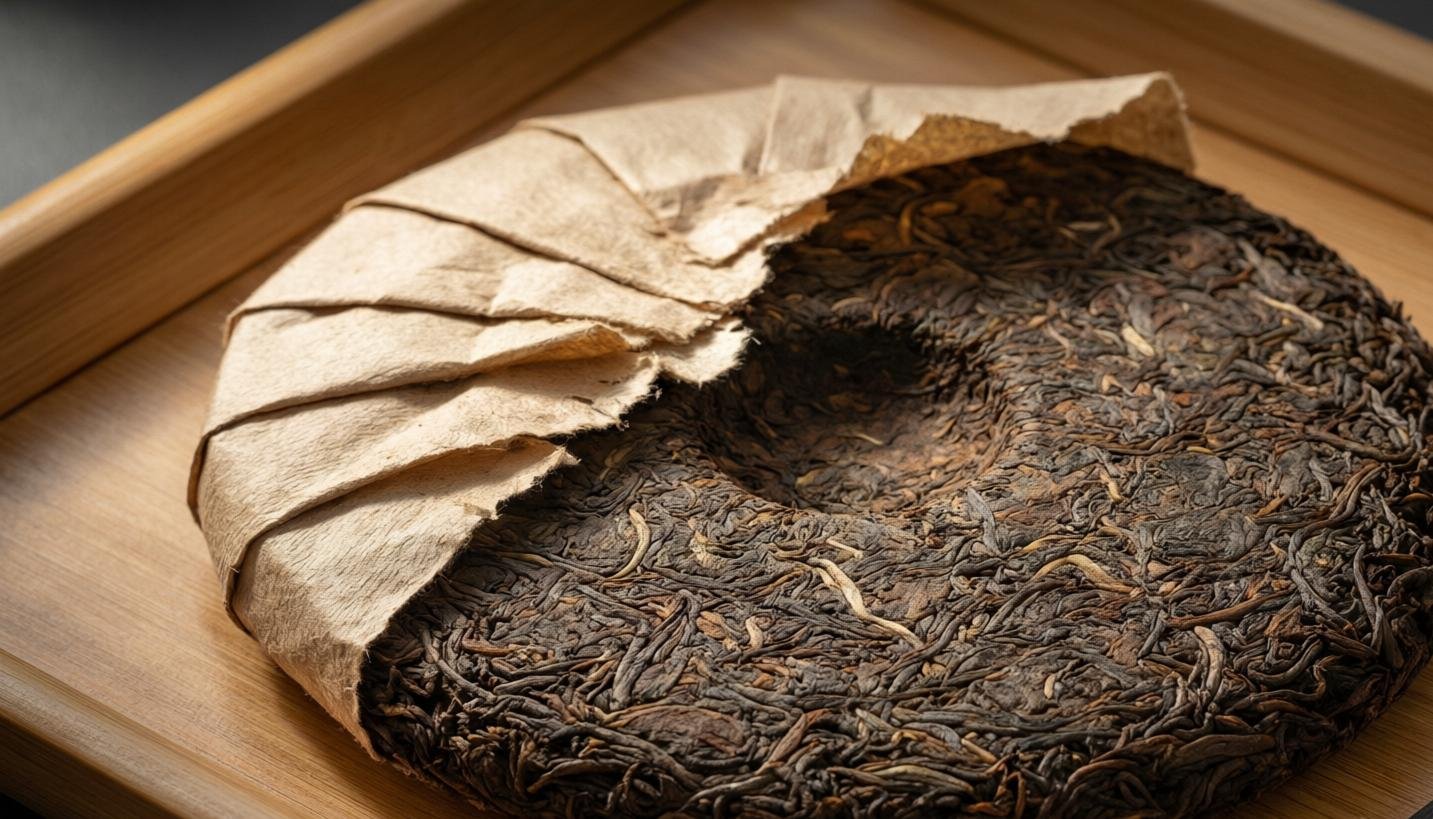
Why Banzhang Pu-erh Is Priced Differently From Generic Pu-erh
Banzhang sits in the Bulang Mountain tea belt of Menghai County, Xishuangbanna. Within that small area, Laobanzhang, or the old Banzhang village, has become the benchmark tea for collectors and wholesale buyers. Two things push its price: the specific mountain and village microclimate, and the limited spring flush that produces the strong bitterness, fast returning sweetness, thick body, and powerful aftertaste buyers expect.
Laobanzhang spring maocha has become the reference point for high-end raw Pu-erh pricing in Menghai County, and it often moves first when market sentiment changes [1]. A tea labeled simply "Banzhang" can be much broader: it may come from Xin Banzhang, nearby Bulang villages, or a blend made to match Banzhang style. The label alone is not an indicator of grade.
2026 Banzhang Pu-erh Price Ranges (Wholesale)
The following ranges refer to spring 2026 fresh maocha at wholesale, before pressing, packaging, and international shipping. They are decision benchmarks, not fixed offers.
| Grade or lot type | Wholesale indicator 2026 (RMB/kg) | Typical 357g cake equivalent |
|---|---|---|
| Young-tree / plantation Banzhang-area material | 600–1,500 | 250–600 |
| Mixed old-tree village maocha | 2,000–5,000 | 800–1,900 |
| Laobanzhang old-tree (gushu) maocha | 8,000–25,000 | 3,000–10,000 |
| Laobanzhang single-tree / famous micro-lot | 25,000–60,000+ | 10,000–25,000+ |
| Aged pressed Laobanzhang cakes, 2015–2020 | — | 8,000–40,000+ per cake |
Actual 2026 prices can move 20–30% by lot because of spring weather, cultivar, pre-order timing, drying quality, and how clearly the village origin is documented [2]. Buyer caution matters more than any single number.
Fresh Maocha vs Pressed Cake: Compare the Right Number
One of the most common pricing mistakes is comparing a fresh maocha kilogram price with a pressed cake price. Fresh maocha is loose leaf sold by the kilogram, usually right after spring processing. Pressed cakes contain the same material but add pressing, drying, wrapping, inner tickets, and storage time.
As a rough conversion, one kilogram of maocha produces approximately 2.7 standard 357g cakes after pressing loss and rejected material. A 3,000 RMB/kg maocha lot therefore costs roughly 1,100–1,200 RMB per cake in raw tea alone, before labor, packaging, and margin. When a "Banzhang" cake is priced far below this math, the material is usually a broader-area blend or a younger-tree lot.
How Banzhang Grades Change the Price
Tree age and source clarity drive most of the premium. In practice, buyers separate these categories:
- Plantation and young-tree tea: high yield, lower bitterness, lower price.
- Mixed old-tree or "dashu" tea: better thickness and aftertaste, mid-to-high price.
- Gushu or ancient-tree tea: old root systems, low yield, stronger body and endurance.
- Single-tree and micro-lot tea: selected trees or very small areas, priced by scarcity.
Spring maocha commands the highest price. Autumn material usually costs less, and stored or aged cakes add storage risk, age premium, and provenance documentation to the final quote.
What a Reasonable 2026 Sourcing Budget Looks Like
For a wholesale buyer, the useful question is not "what is the cheapest Banzhang tea," but what the lot needs to do for the product line. A practical budget in 2026 might look like this:
- Entry-level brand line: 600–1,500 RMB/kg for Banzhang-area young-tree material.
- Premium old-tree line: 2,000–5,000 RMB/kg for village mixed old-tree maocha.
- Collector-grade line: 8,000 RMB/kg and above for Laobanzhang gushu with traceable lots.
Most private-label and e-commerce buyers avoid the highest single-tree segment unless they can sell provenance to collectors. The stronger commercial position is usually a transparent old-tree lot with documented village sourcing [3].
How to Verify Banzhang Tea Before Paying
Price should follow evidence. Before confirming a Banzhang lot, request these checks:
- Origin documentation: specific village or small area, harvest date, and producer name.
- Lot traceability: farmer group, processor, pressing date, and batch number.
- Leaf and soup check: thick, fuzzy whole leaves, strong initial bitterness, and a fast sweet aftertaste are common Banzhang markers, but they are not a substitute for origin proof.
- Testing report: pesticide and heavy metal screening from a recognized laboratory [4].
If the seller cannot show the lot's movement from village to cake, the price should not carry the full Banzhang premium.
Request a Banzhang Pu-erh Quote
For current lot offers from Chinese tea suppliers, send the following details to xuansc2144@gmail.com:
- Area: Laobanzhang, Xin Banzhang, or broader Bulang
- Tree age: single-tree, gushu, old-tree, young-tree, or plantation
- Harvest: spring or autumn, with year
- Form: loose maocha or 357g pressed cake
- Order quantity and destination port
We respond with available lots, grade details, testing information, and price breakdowns.
Frequently Asked Questions
Why is Laobanzhang more expensive than Xin Banzhang?
Laobanzhang has stronger market recognition, older tree resources, and more intense demand from Chinese collectors. Xin Banzhang can be high quality, but it does not carry the same benchmark reputation, so its price usually sits below Laobanzhang at comparable tree age.
What is a realistic 2026 Laobanzhang gushu price per kilogram?
Published wholesale indicators for spring 2026 Laobanzhang gushu maocha generally fall between 8,000 and 25,000 RMB/kg, with selected single-tree or micro-lots quoted higher. A trustworthy price always depends on the exact lot, harvest timing, and documentation.
Is Banzhang Pu-erh a good investment in 2026?
It can be, but only for buyers who can verify provenance and store cakes properly. The strongest investment-grade teas are usually Laobanzhang gushu spring cakes with traceable lots and clean storage. Broad-area blends are less likely to appreciate in the same way.
How can buyers avoid fake Banzhang tea?
Request a specific village or small-area origin, lot number, harvest date, and pesticide test. Compare the price against genuine maocha benchmarks. If a finished cake is priced below the maocha cost that should have produced it, treat the label as a marketing claim rather than proof.
Does Banzhang tea improve with age?
Raw Banzhang Pu-erh generally changes with age, becoming rounder and deeper while losing some early bitterness. The result depends on material quality, pressing density, and storage conditions. Poorly stored or low-grade tea will not improve into high-grade tea simply by sitting in a warehouse.
References
[1] Yunnan Provincial Tea Industry Association. Yunnan Tea Industry Development Report 2025–2026. Kunming, 2025.
[2] Xishuangbanna Agriculture and Rural Affairs Bureau. 2025 Spring Menghai County Tea Harvest Price Monitoring Report. Jinghong, 2025.
[3] Kunming Tea Wholesale Market. 2026 Spring Pu-erh Maocha Transaction Bulletin. Kunming, March 2026.
[4] Pu-erh Tea Research Institute, Yunnan Academy of Agricultural Sciences. Quality and Pesticide Safety Guidance for Yunnan Pu-erh Tea. Kunming, 2025.
No author description available.

白玉京