Wuyi Mountain Tea in Western Markets: A 2026 Import Guide
Wuyi Mountain tea occupies an unusual position in the specialty tea trade: limited production, strong origin identity, and a flavor profile many Western consumers are only beginning to understand. For importers, that gap is the opportunity. This guide walks through the styles, demand signals, pricing logic, sourcing checks, and compliance steps that determine whether Wuyi Mountain oolong becomes a durable part of a Western portfolio or a one-off novelty purchase.

Why Wuyi Mountain Tea Is Moving West
Western specialty tea buyers have moved beyond generic “oolong” labels and toward origin-specific products. Wuyi Mountain, in northern Fujian, adds what commodity oolong cannot: a protected origin story, UNESCO-listed landscape, and a recognizable mineral-driven roast character. That combination supports premium retail positioning.
Importers benefit because Wuyi Mountain tea justifies a higher price than blended or unbranded oolong. Buyers can attach the product to a specific place, cultivar, and processing style, which helps independent tea shops, specialty grocers, and direct-to-consumer brands explain the cost. Global tea trade data continues to show growth in higher-value specialty tea within mature Western markets, with origin and processing quality becoming central purchase criteria [1][5].
The Portfolio: Styles Importers Should Stock
A practical Western import portfolio should cover three or four Wuyi styles rather than one single “rock tea” SKU.
Da Hong Pao remains the best-known entry point. Its balanced roast, dark fruit, and mineral finish make it the easiest Wuyi tea to introduce to buyers who already drink roasted oolong or black tea. Demand is strong for small retail packs and gift formats.
Rou Gui offers a direct cinnamon-spice aroma and a heavier roast profile. It performs well with consumers who like assertive, warming teas and with coffee shops building tea menus. Rou Gui also gives importers a clear flavor story for staff training.
Shui Xian provides volume and margin balance. It is often more available than Da Hong Pao or Rou Gui and delivers floral, honeyed, and mineral notes. For importers, Shui Xian can anchor the portfolio while higher-profile styles generate marketing attention.
Qi Lan and Tie Luo Han work as limited seasonal or enthusiast offers. They are less likely to carry a full Western range, but they strengthen a supplier’s credibility with serious buyers and create cross-selling opportunities.
Importers should also distinguish between zhengyan, banyan, and wider Wuyi-area leaf. Zhengyan refers to the protected core rock area and commands the highest price. Banyan sits immediately outside it, and broader Wuyi-region tea is more affordable but less distinctive. Clear labeling of these tiers protects both margin and reputation.
Demand Drivers and Buyer Segments
Western demand for Wuyi Mountain tea comes from four main segments.
Specialty tea retailers need origin-specific oolong for shelves that already carry Chinese green tea, white tea, and pu-erh. Wuyi tea completes the China story and gives retailers a premium roasted option.
Cafes and tea bars use Wuyi oolong for hot specialty service, tea flights, and non-coffee alternatives. Its roast profile holds up to milk and alternative milks better than many green or light oolongs.
Corporate gifting and wellness programs favor recognizable luxury origins. Da Hong Pao gifting, in particular, benefits from strong cultural associations and collectible-style packaging.
Direct-to-consumer brands use Wuyi Mountain tea in subscription boxes, single-origin drops, and educational content. The origin gives them a narrative, while the roast gives customers a repeat-purchase product rather than a delicate tea that fades quickly.
European and North American buyers increasingly expect documentation alongside origin claims. This includes pesticide residue testing, heavy metal screening, and clear lot information. Suppliers that can provide this evidence gain a meaningful advantage in Western B2B channels [2][3].
Pricing and Cost Structure
Wuyi Mountain tea pricing is driven by limited land, labor-intensive processing, and slow final roasting.
Origin tier is the largest variable. Core zhengyan leaf from recognized micro-areas is scarce, and prices rise steeply for named gardens or traditional cultivars. Banyan and broader Wuyi-region material are more accessible and better suited to mid-market programs.
Cultivar and picking standard matter. A well-made Shui Xian may cost less than a comparable Rou Gui or Da Hong Pao, but a high-grade Shui Xian can still exceed ordinary Da Hong Pao. Buyers should compare grade before assuming cultivar determines price.
Roasting and finishing add cost through labor, fuel, and weight loss. Traditional charcoal roasting is slower and more expensive than electric drying, but it contributes to the long finish and shelf behavior importers can use as selling points.
Harvest season and vintage affect price as much as terroir. Spring material generally carries the strongest aroma and the highest cost, while autumn and later pickings support entry-level blends.
Rather than target a single price point, importers should request three tier samples for each style: entry, premium, and reserve. This makes landed cost modeling easier and prevents the common mistake of buying an unknown grade at a high price.
Need current Wuyi Mountain pricing and available lots? Contact Chinese tea suppliers at xuansc2144@gmail.com with your target style, volume, and destination. The team can recommend zhengyan or banyan options that match your margin. Include your certification requirements and budget per kilogram for faster lot selection.
Sourcing and Authenticity
The strongest sourcing risk in Wuyi Mountain tea is substitution: leaf from outside the core production area that is labeled and sold as premium rock tea. Importers can reduce this risk with a structured request.
Ask for the specific origin tier, cultivar, harvest season, and processing date. Ask whether the lot is single-origin or blended. Ask for cupping notes from the supplier and, for larger volumes, independent lab results.
Review the dry leaf, liquor color, and spent leaf. Wuyi rock tea should show visible strip or twisted leaf, a bright amber to copper liquor, and a persistent mineral-charcoal finish without harsh char. The spent leaf should be even and supple rather than brittle and blackened.
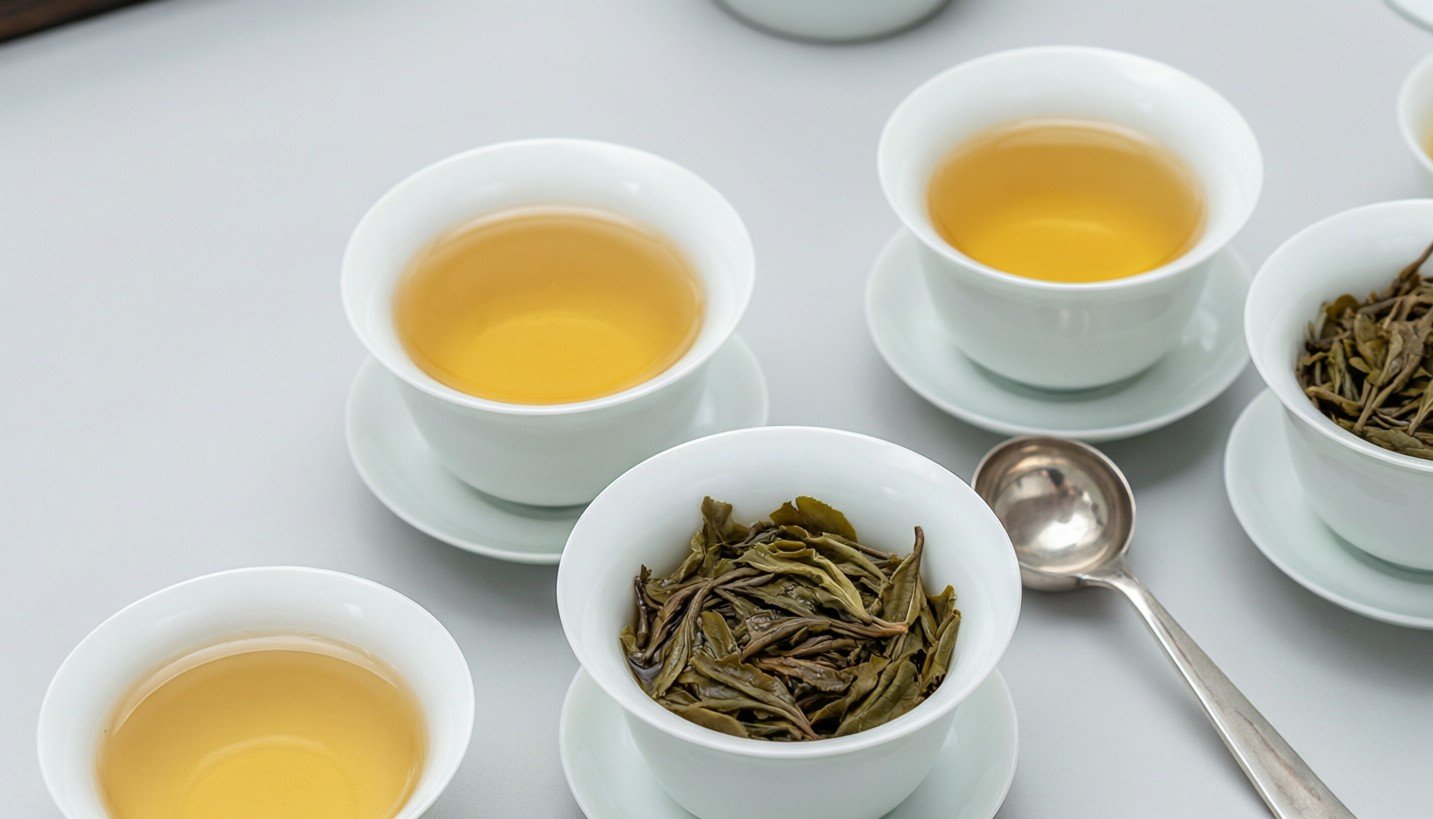
For Western market entry, make pesticide and heavy metal testing non-negotiable. European buyers must meet EU maximum residue levels, and U.S. buyers must ensure the product is not adulterated or misbranded under FDA rules [2][3]. Third-party testing should cover the destination market’s full residue list, not only the supplier’s standard panel.
Compliance and Positioning for Western Retail
Western compliance is not just a customs hurdle; it is a selling tool.
European Union: tea must comply with EU contaminant and pesticide residue limits, food hygiene rules, and traceability requirements. Organic claims require certification from a recognized control body [3].
United States: tea facilities must follow food facility registration and prior notice procedures where applicable, and the tea must be safe and properly labeled under the Federal Food, Drug, and Cosmetic Act [2].
Canada, Australia, and other markets have their own labeling and allergen rules, though tea itself is generally low-risk. Importers should still verify country-specific food labeling before finalizing retail packaging.
Position Wuyi Mountain tea around three verifiable qualities: origin, roast, and longevity in the cup. Avoid health claims beyond those permitted in the target market. Instead, teach buyers how the tea’s repeated infusion capacity supports both retail value and foodservice portion control.
For bulk import programs, offer formats that match Western operations: foodservice pouches, retail tins, private-label options, and sample kits. For premium positions, keep single-origin lots separate and let the documentation support the claim.
Work With a Wuyi Mountain Tea Supplier That Understands Western Compliance
Send your import plan to xuansc2144@gmail.com. Include destination market, target format, volume, and required certifications. A typical inquiry covers:
- Tea style: Da Hong Pao, Rou Gui, Shui Xian, or mixed Wuyi portfolio
- Grade tier: entry, premium, or reserve
- Format: bulk, retail-ready, private label, or sample kit
- Destination and target residue limits
- Volume and preferred shipment window
We will respond with available lots, sample suggestions, lab documentation options, and a quoted landed-cost estimate for your destination.
FAQ
What is the difference between Wuyi rock tea and regular oolong?
Wuyi rock tea is a specific category of oolong from protected production areas around Wuyi Mountain in Fujian. It is known for mineral character, heavier roasting, twisted leaf shape, and strong repeated infusion performance. Regular oolong may come from anywhere and usually lacks that origin-specific mineral and roast profile.
How should importers verify Wuyi Mountain origin?
Request clear documentation of origin tier, cultivar, harvest season, and processing date. Ask for a lot number, producer or cooperative information, and third-party pesticide residue and heavy metal test results. Compare samples against cupping notes and inspect the spent leaf for evenness.
What price range can a Western importer expect?
Prices vary widely by origin tier, cultivar, picking standard, and roast. Entry and banyan-tier lots offer accessible margins, while zhengyan and named-garden lots cost substantially more. Importers should always request entry, premium, and reserve samples for the same style before building a landed cost model.
Is Wuyi Mountain tea suitable for tea bags or RTD products?
It can be used in premium tea bags and some RTD lines, but the strongest Western opportunity remains loose leaf, specialty service, and premium retail formats. For cost-sensitive RTD or bagged applications, broader Wuyi-region or banyan-tier material usually makes more sense than zhengyan leaf.
References
[1] CBI, Ministry of Foreign Affairs of the Netherlands, “The European market potential for tea,” accessed 2026. [Online]. Available: https://www.cbi.eu/market-information/tea
[2] U.S. Food and Drug Administration, “Importing Food Products into the United States,” accessed 2026. [Online]. Available: https://www.fda.gov/food/importing-food-products-united-states
[3] European Commission, “EU Pesticides Database,” accessed 2026. [Online]. Available: https://ec.europa.eu/food/plant/pesticides/eu-pesticides-database
[4] U.S. Department of Agriculture, Foreign Agricultural Service, “Tea: World Markets and Trade,” accessed 2026. [Online]. Available: https://www.fas.usda.gov/data
[5] International Trade Centre, “Trade Map: Tea trade statistics,” accessed 2026. [Online]. Available: https://www.trademap.org
[6] FAO Intergovernmental Group on Tea, “Current market situation and medium-term outlook,” accessed 2026. [Online]. Available: https://www.fao.org/economic/est/est-commodities/tea
No author description available.

白玉京