What Makes Keemun Tea Different? A Buyer’s Honest Guide
Keemun is not a single tea, but a family of black teas from one small county in Anhui that changed how the world blends black tea. It is prized for a floral, honeyed aroma that other black teas rarely deliver, yet it is also one of the most useful workhorse teas in a wholesale catalog. This guide explains what Keemun actually is, how it differs from Yunnan, Fujian, Indian, and Sri Lankan black teas, and what buyers should check before ordering.
What Exactly Is Keemun Tea?
Keemun, spelled Qimen in modern Chinese, is a black tea from Qimen County in the Huangshan region of southern Anhui Province. The name “Keemun” is the old postal romanization that stuck in Western tea markets.
Keemun black tea was first produced in 1875 by adapting Fujian black-tea methods to Qimen’s local small-leaf cultivars. It quickly became a signature Chinese black tea and later an essential component in many English Breakfast blends.
In Chinese classification, Keemun black tea falls under the Gongfu black tea category [1]. Export lots are routinely assessed against the common black-tea definition and basic requirements in ISO 3720 [2]. That matters because bulk black teas sold as “Keemun” can vary widely in grade, leaf size, and aroma unless the contract specifies the exact product.
The Flavor Signature: What You Actually Taste
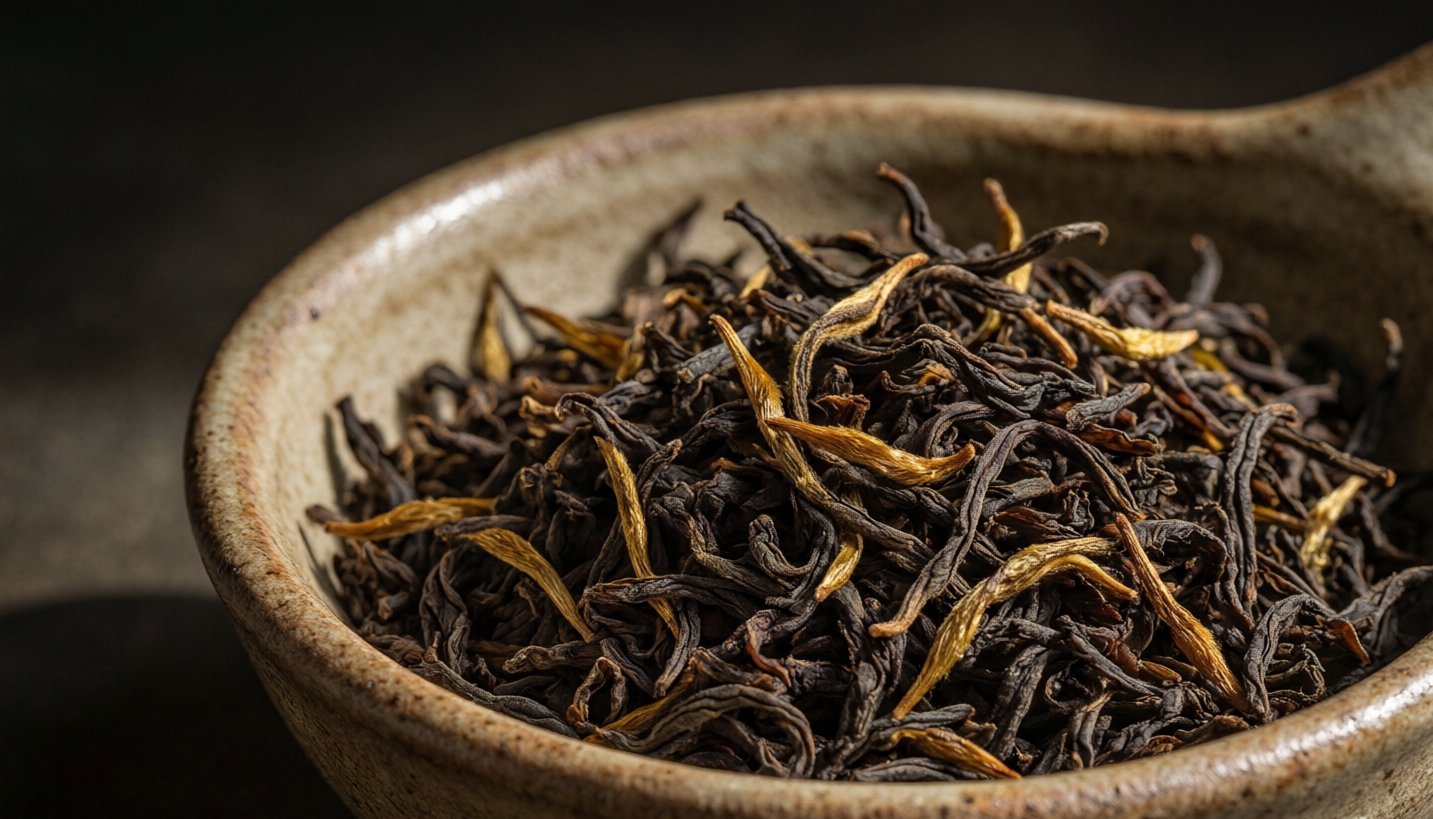
The defining feature of Keemun is its aroma. A well-made lot has a sweet, floral fragrance that many buyers describe as orchid-like, honeyed, or slightly fruity. This is often called the “Keemun aroma.”
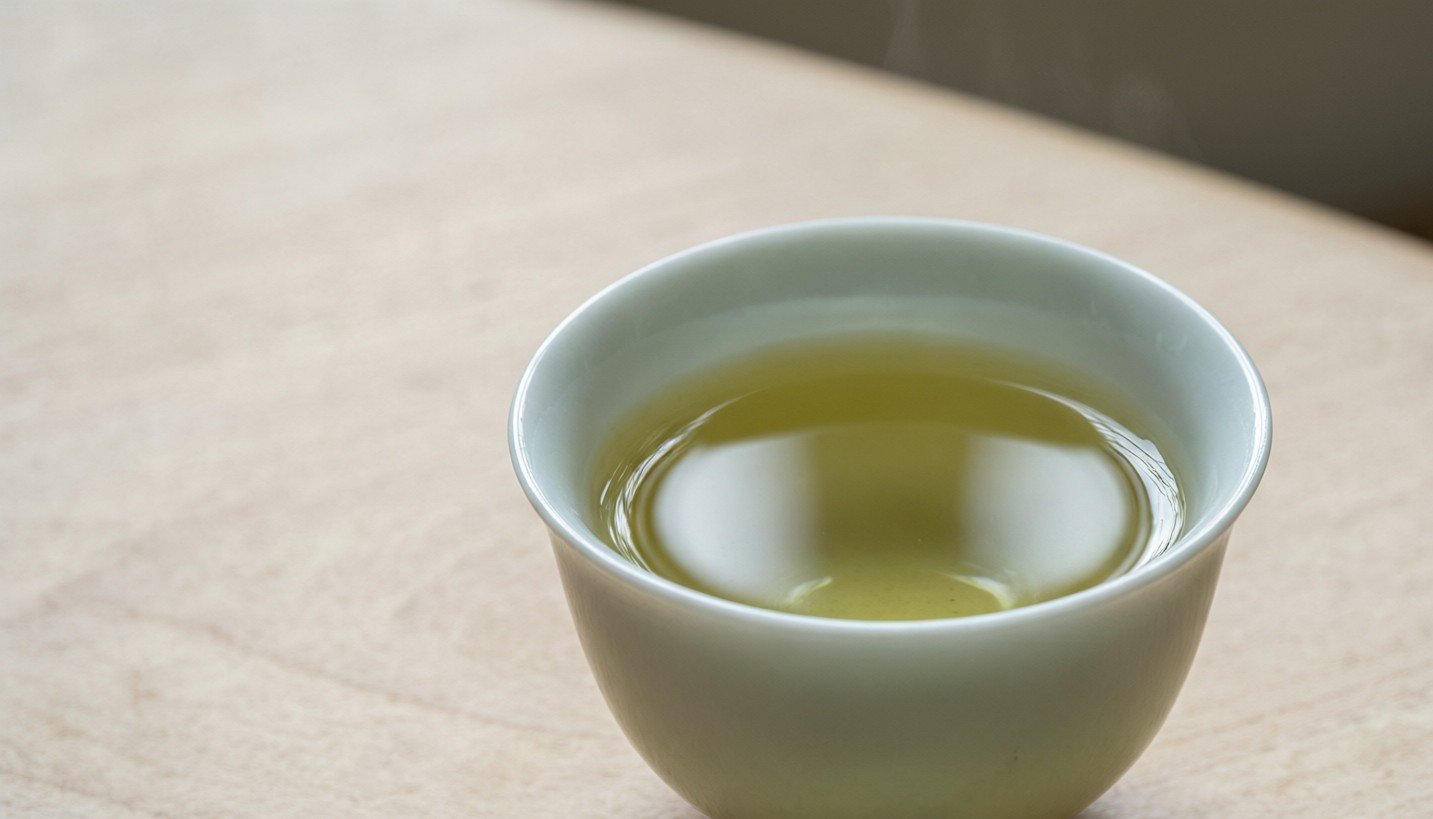
The liquor is typically bright amber to reddish brown, with a smooth, medium body and mild astringency. Compared with Assam, Keemun is less brisk and less heavily malty. Compared with smoked Lapsang Souchong, Keemun is generally clean and unsmoked. That makes it more versatile for blending and for drinkers who want a softer black tea without added flavoring.
Flavor intensity depends on grade, harvest season, and firing. Spring lots tend to be sweeter and more aromatic; late-summer lots can be stronger but coarser. The best value is not always the most expensive grade, but the grade that matches the end use.
How Keemun Is Made
Keemun follows the orthodox black-tea process: withering, rolling, oxidation, and drying. The leaves are usually plucked as one bud with two leaves, although finer grades use a higher bud ratio.
Two parts of the process shape Keemun’s character. First, the withering and oxidation are managed slowly enough to preserve floral compounds instead of pushing only a heavy malty profile. Second, the final drying stabilizes the leaf and locks in the sweet, fragrant notes that define the tea.
From a sourcing standpoint, processing differences are why two lots from the same region can taste very different. One factory may produce a delicate, tip-heavy Mao Feng style; another may produce a darker, stronger Congou style aimed at blending.
Keemun Grades and Buying Language
Grade names in Keemun are useful, but they are not perfectly standardized across every factory. Common descriptors include:
- Hao Ya A — the highest tip grade, with abundant golden buds, intense aroma, and a higher price.
- Hao Ya B — slightly lower tip content than Hao Ya A, still aromatic, often a better cost-to-quality choice.
- Mao Feng — finer leaf style, floral and neat, popular for premium retail.
- Congou / Kungfu — a consistent, economical grade used heavily in blends and foodservice.
- Xin Ya — early spring tip grade, usually aromatic and more limited.
When comparing offers, ask for the factory’s grade name, harvest date, leaf size, and a physical sample. Two suppliers can use the same phrase while supplying very different leaf.
Keemun vs Other Black Teas
| Tea | Origin | Aroma | Body | Typical Use |
|---|---|---|---|---|
| Keemun | Qimen County, Anhui | Floral, honeyed, slightly fruity | Medium, smooth | English Breakfast, premium loose leaf |
| Dianhong | Yunnan | Malty, caramel, sweet potato notes | Full, rounded | Luxury blends, golden-tip black tea |
| Lapsang Souchong | Fujian | Smoky, pine-resin | Medium to full | Specialty smoked black tea |
| Assam | India | Strong malt, brisk | Full, astringent | Strong breakfast blends |
| Ceylon | Sri Lanka | Citrusy, bright | Medium, brisk | Everyday black tea |
The main positioning point for Keemun is balance. It has more floral complexity than Assam and Ceylon, but it is less aggressive than a heavily smoked or fully malty black tea. That balance is why importers use it both as a premium single-origin line and as a blending base.
What Matters for Wholesale Buyers
For importers and tea brands, the following checks separate a reliable Keemun program from a risky one.
Origin and lot traceability. Request the production county, factory or processing site, harvest season, and lot number. Qimen County is the protected source, but nearby Anhui black teas are sometimes marketed under the Keemun name.
Grade and leaf style. Confirm whether the offer is whole leaf, broken leaf, or a tip-heavy grade. The leaf size affects cup yield, brewing behavior, and price.
Compliance testing. For EU and US markets, review pesticide residue testing against the destination market’s maximum residue limits [3]. Moisture content, heavy metals, and microbiological results should be included for bulk shipments.
Sample against production. Always cup the pre-shipment sample against the original approval sample. Color, aroma, and mouthfeel can shift between harvests even within the same grade.
If you are comparing Keemun lots and need current FOB/CIF options, send a short inquiry to 427728483@qq.com with your target grade, volume, packaging, and destination port. We will help you compare sample quality, compliance documents, and lead time before you commit.
Brewing Keemun Properly
Keemun is forgiving, but the right parameters show why buyers pay more for better grades.
Use water at 90–95°C (195–205°F) and about 3–5 grams per 150–200 ml of water. For Western-style brewing, steep for 3–4 minutes. For gongfu brewing, use shorter infusions and increase steeping time gradually.
Sensory evaluation of black tea is commonly based on a standardized preparation method such as ISO 3103 [4]. That same structure helps buyers compare samples fairly: identical water temperature, leaf weight, steeping time, and cup type.
Contact Our Sourcing Team
Send your requirement to 427728483@qq.com with the following details and we will match it to available Keemun lots:
- Target grade and leaf style
- Order volume and packaging format
- Destination port and certification needs
- Expected shipping window
Our team will reply with shortlisted samples, current pricing, compliance documents, and production lead time.
FAQ
Is Keemun tea the same as Qimen black tea?
Yes. Keemun is the older Western spelling of Qimen, a county in Anhui Province, China. Keemun tea and Qimen black tea refer to the same tea-producing region and broadly the same group of black teas.
What does Keemun tea taste like compared with Assam?
Keemun is usually softer, sweeter, and more floral than Assam. Assam tends to be stronger, maltier, and more astringent. Keemun has a honeyed, orchid-like aroma that is less common in Assam.
Which Keemun grade gives the best value for wholesale?
For blending and foodservice, Congou or Kungfu grades are typically the most economical. For premium retail or single-origin lines, Hao Ya B or Mao Feng often provides a better cost-to-quality balance than the highest tip grade.
Does Keemun tea contain caffeine?
Yes. Keemun is a black tea, so it contains naturally occurring caffeine. The exact amount varies by batch, leaf size, and brewing method, but it is generally moderately caffeinated.
How should Keemun tea be stored?
Store Keemun in a clean, dry, odor-free container away from heat, light, and moisture. For wholesale inventory, keep it sealed, control warehouse temperature, and rotate stock by production date.
Can Keemun tea be re-steeped?
Yes. Whole-leaf and tip-heavy Keemun grades can often be infused multiple times, especially in gongfu brewing. Broken-leaf grades usually give fewer infusions.
What should buyers check before importing Keemun tea?
Buyers should confirm origin, grade, leaf size, harvest date, pesticide residue test results, moisture content, and whether the sample matches the pre-shipment lot. These checks reduce the risk of receiving a tea that does not match the approved profile.
References
[1] General Administration of Quality Supervision, Inspection and Quarantine of the People’s Republic of China. GB/T 13738.2-2017, Black Tea — Part 2: Gongfu Black Tea. China Standard Press.
[2] International Organization for Standardization. ISO 3720:2011, Black Tea — Definition and Basic Requirements. Geneva: ISO.
[3] European Parliament and Council of the European Union. Regulation (EC) No 396/2005 on Maximum Residue Levels of Pesticides in or on Food and Feed of Plant and Animal Origin. Official Journal of the European Union.
[4] International Organization for Standardization. ISO 3103:1980, Tea — Preparation of Liquor for Use in Sensory Tests. Geneva: ISO.
No author description available.

白玉京