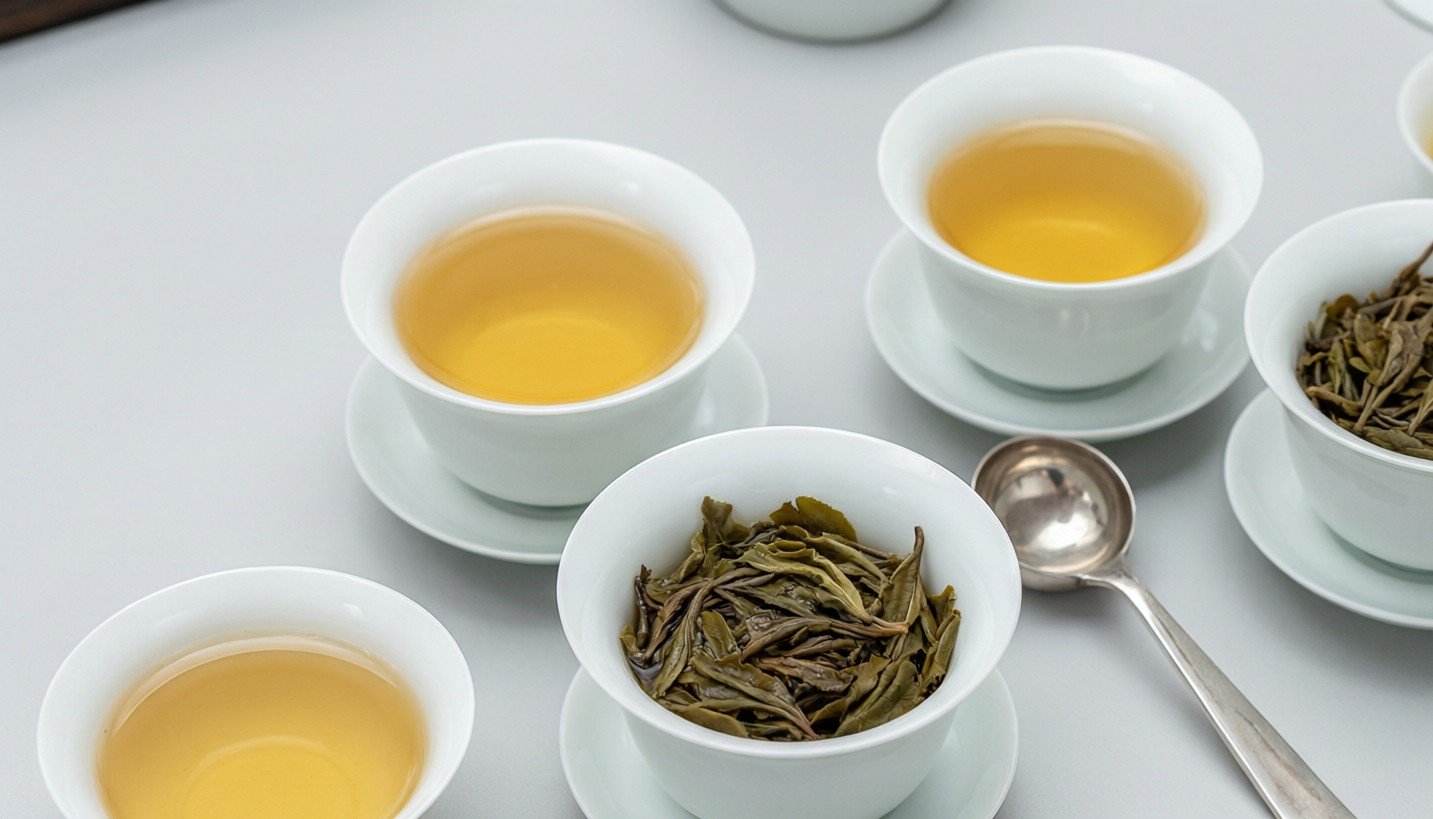
Tea Sampling and Quality Approval Process
Samples help buyers compare flavor, appearance and value before committing to a commercial order. A useful sampling process must connect each cup to a clear specification, source, price level and intended application.
When sampling is useful
- Comparing several origins or grades within one tea category.
- Matching a buyer's existing reference sample or target flavor profile.
- Testing tea for retail, food service, blending or ready-to-drink production.
- Approving a new supplier, harvest or production batch.
- Confirming a private label product before packaging production begins.
How the process works
- Define the brief: tea type, target grade, flavor, application, quantity and price range.
- Select candidates: identify representative options rather than sending unrelated samples.
- Evaluate consistently: brew samples with the same water, ratio, temperature and time.
- Record feedback: note appearance, aroma, taste, liquor color, aftertaste and commercial suitability.
- Approve a standard: connect the selected sample to a written specification for ordering and quality checks.
Sample and production consistency
Tea is an agricultural product, so harvest conditions and processing can create natural variation. The approved sample should therefore be supported by measurable specifications and an agreed tolerance. For repeat orders, current production samples may be compared with the approved standard.
What to send us
Share the destination market, business type, tea category, expected quantity, preferred price range and evaluation objective. If you are matching an existing product, provide clear tasting notes, photographs, specifications or a reference sample where permitted.
Sample availability, fees and freight depend on the number of teas, pack size and destination. These details are confirmed before dispatch.
No author description available.

白玉京