Naka Pu-erh Brewing Mistakes That Ruin the Flavor: 5 Errors to Fix
Naka pu-erh often creates a specific kind of disappointment: the dry leaves smell like honey and orchards, the first few sips show real character, and then the cup turns flat, papery, or sharply astringent. Most drinkers blame the tea. In practice, the fault usually sits in the brewing.
Few Yunnan villages reward precise handling as much as Naka. This guide breaks down the five most damaging Naka pu-erh brewing mistakes and gives you a repeatable baseline to fix them.
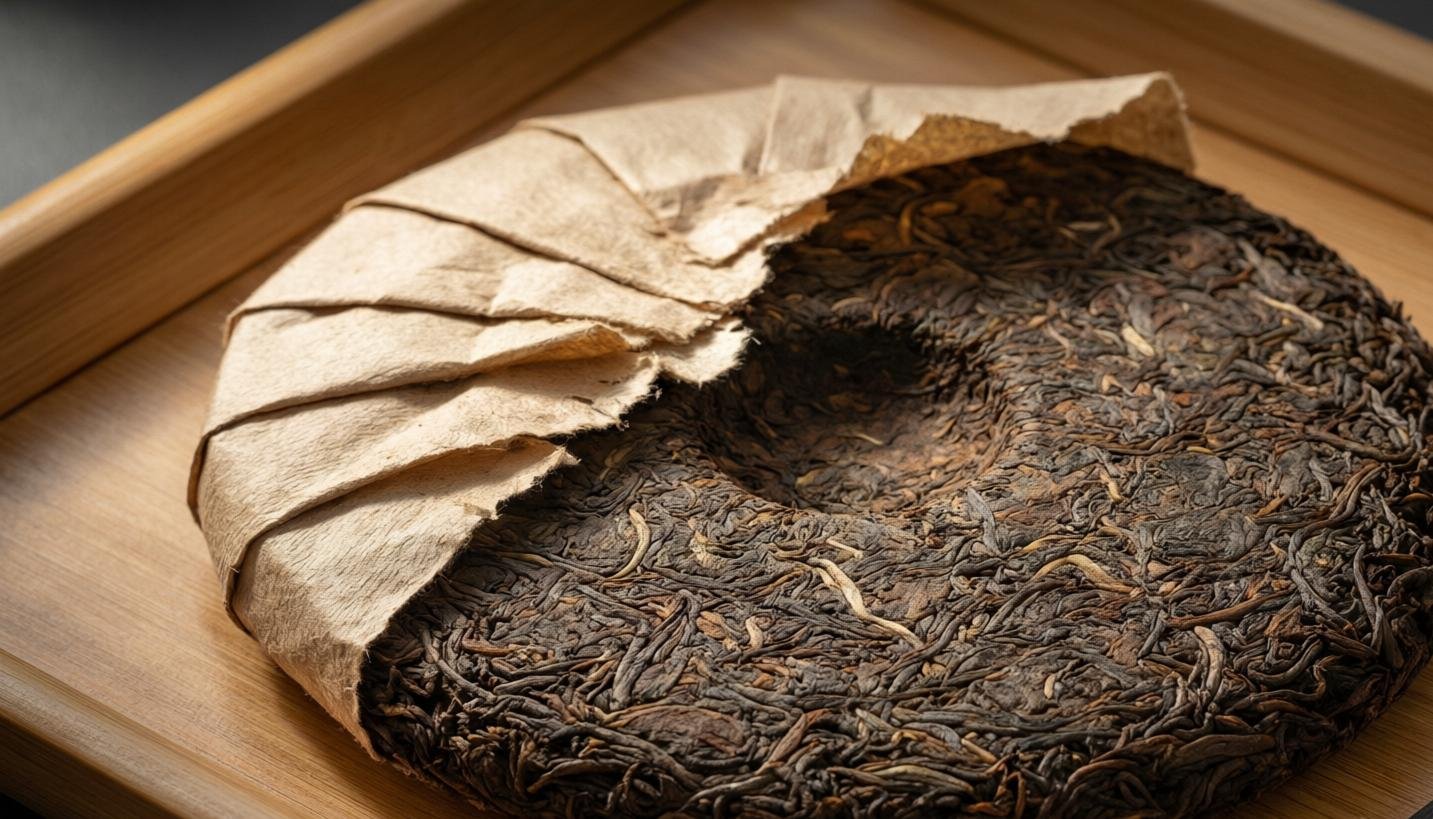
What Makes Naka Pu-erh Different
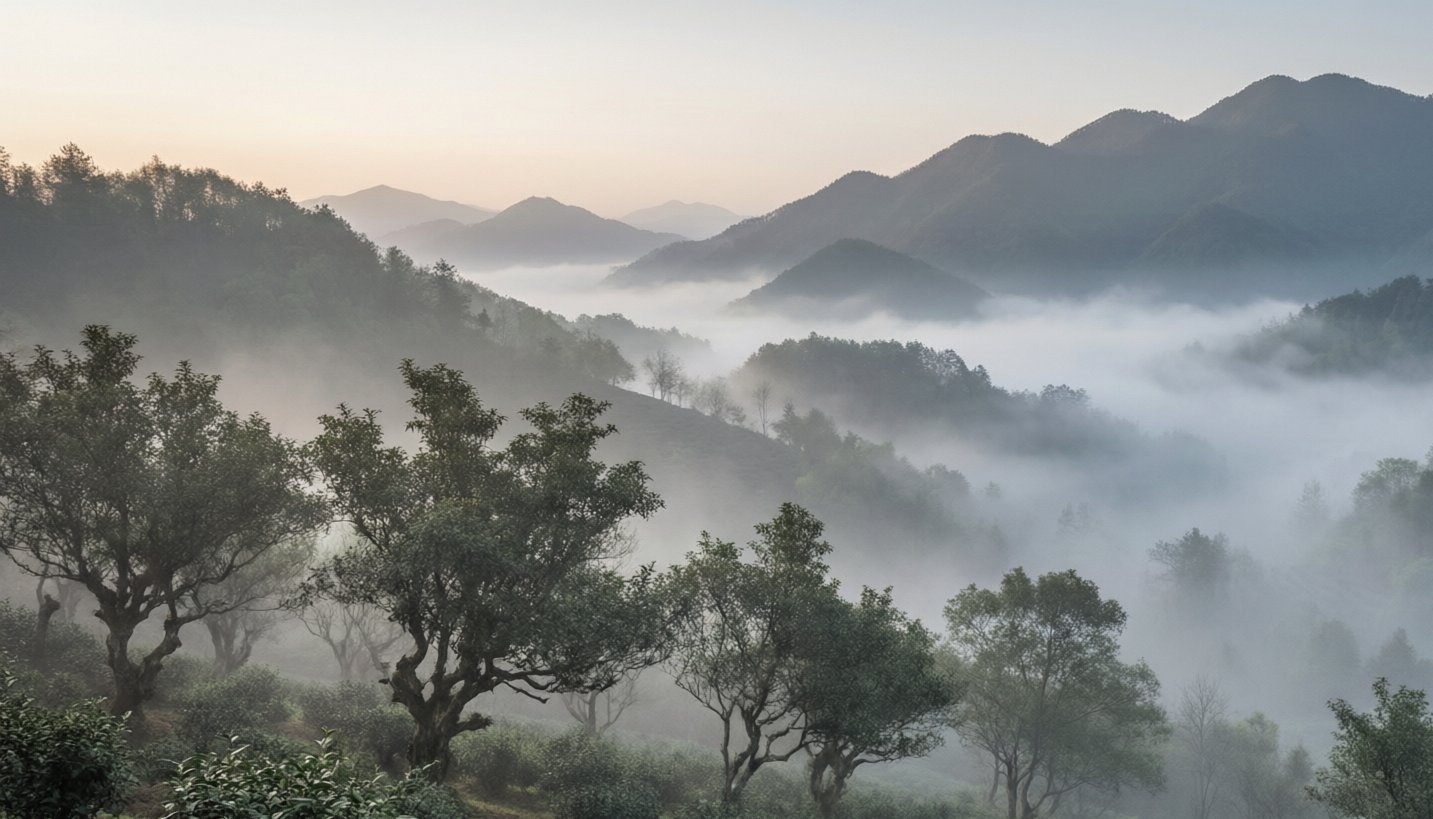
Naka is a village in Menghai County, Xishuangbanna, in Yunnan Province. Its pu-erh is generally pressed from the local large-leaf tea material that falls under the Pu-erh tea geographical indication framework [1][3]. The finished teas are often described as aromatic rather than heavy: honey, stone fruit, a soft sweetness, and a cooling aftertaste appear when the brew is handled correctly.
That profile creates a trap. Because young Naka sheng pu-erh tends to brew lighter-bodied than teas from Bulang or Laobanzhang, people overcompensate. They raise the water temperature, add more leaf, or stretch the steep. The result is not more flavor; it is more bitterness and less of what makes Naka distinctive.
5 Naka Pu-erh Brewing Mistakes That Ruin the Flavor
1. Treating Naka Like a Cheap Loose-Leaf Pu-erh
If you break a Naka cake into dust, drop it into a large teapot, and pour boiling water over the pile, you have already flattened the tea. Dust-sized particles extract fast and unevenly. The early pour becomes sharp, while the later cups empty out.
Naka responds better to intact leaf chunks. Use a tea pick or clean fingers to separate the cake along its natural leaf layers. Aim for coin-sized pieces, roughly 1–2 cm across, rather than powder. Keep the compressed pieces whole enough to release slowly over multiple infusions. A cleaner break preserves the honeyed top notes instead of burying them under astringency.
2. Scorching the Leaves with Water That Is Too Hot
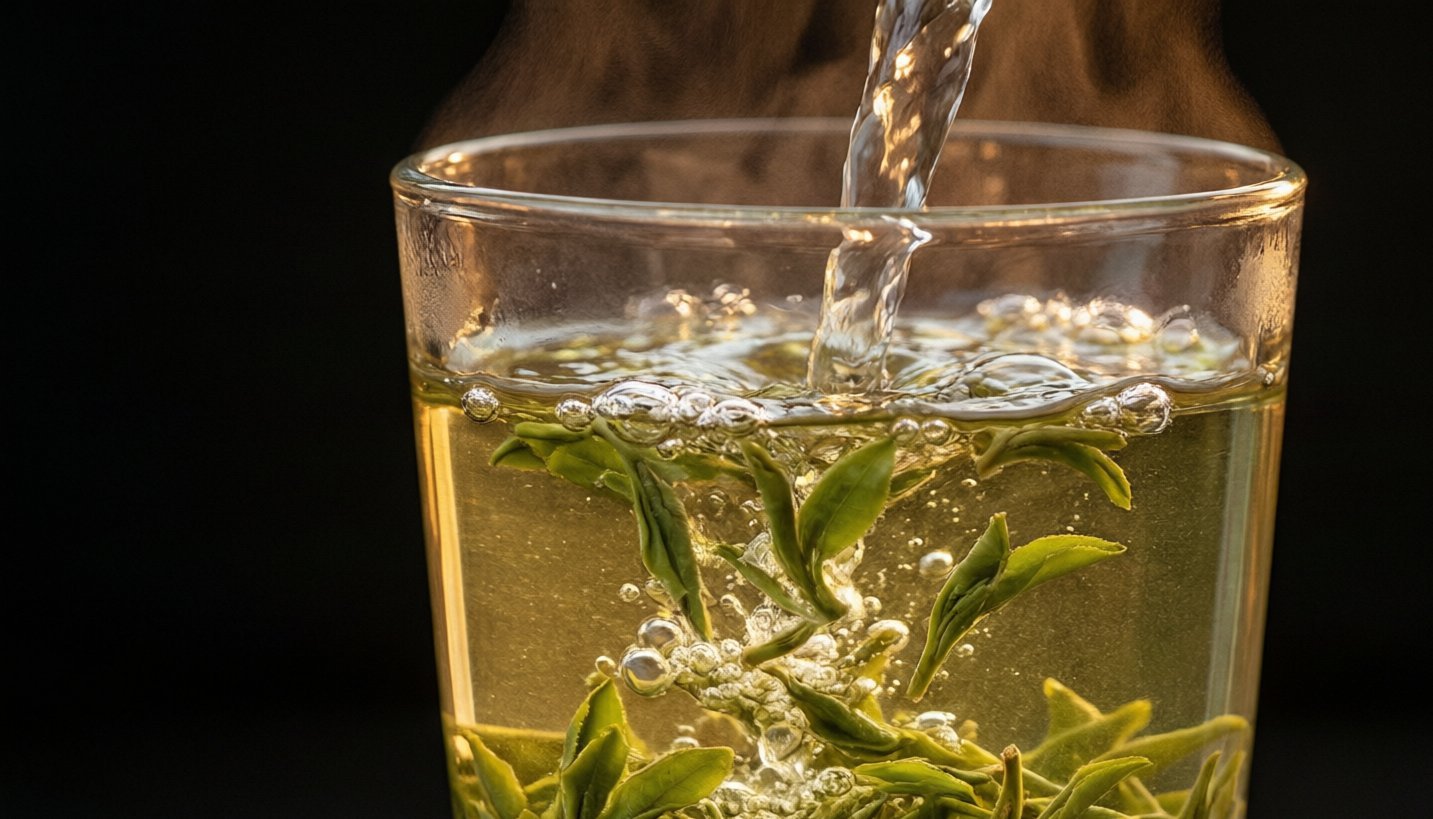
Boiling water is not automatically wrong for pu-erh, but it is often too aggressive for young Naka sheng. Water at a full rolling boil can push out bitter polyphenols before the sweeter, aromatic compounds get a chance to open.
For a fresh or lightly aged Naka cake, start around 90–95°C. Bring the water to a boil, then let it rest for about 30–60 seconds before the first few infusions. For tightly compressed centers or well-aged material, water just off a full boil can help separation. The point is not to follow a single number. The point is to watch the result: if the first infusion is already bitter and drying, the water was likely too hot.
3. Overleafing to Compensate for a Light Body
Naka can brew lighter than expected, especially in the first three infusions. A common reaction is to pack the gaiwan with more leaf. That does intensify the cup, but it usually intensifies the wrong notes: bitterness, astringency, and a heavy minerality that covers the tea's floral center.
A workable gongfu starting point is about 5–7 g of leaf for a 100–120 ml gaiwan. That is close to a 1:15 to 1:20 leaf-to-water ratio, depending on how quickly you pour. From there, adjust one variable at a time. If the cup is too light, add a gram before raising the temperature or extending the steep. Keeping the leaf load moderate gives Naka room to show its sweetness and perfume.
4. Skipping the Rinse or Using a Long First Steep
Compressed pu-erh needs a short rinse before the real drinking begins. A 3–5 second rinse with the same water temperature loosens the leaf and removes surface dust. More important, it prepares the cake for an even first steep.
After the rinse, start the first infusion short: roughly 10–15 seconds. Many Naka drinkers mistakenly treat the first steep like black tea and leave it for a minute or more. That long first contact uses up much of the tea's early sweetness and shortens the number of pleasant infusions. Short first steeps work because Naka is built for progression, not a single heavy extraction.
5. Drowning It with One Long Steep
Naka is not usually at its best in a single long, Western-style steep. One long contact can produce a thick, dark cup, but it tends to collapse the tea's arc. The honey note, the stone fruit, and the cooling finish blur into a generic, slightly woody pu-erh taste.
If you prefer a larger teapot, reduce the leaf and keep the steep moderate, around 2–3 minutes as a starting point. However, the best way to understand Naka is to brew it in short successive infusions: 10–15 seconds, then add 5 seconds or so each round. The tea changes from high aroma to deeper sweetness and then to a soft, lingering finish. That progression is the reason to buy Naka in the first place.
A Balanced Naka Brewing Baseline
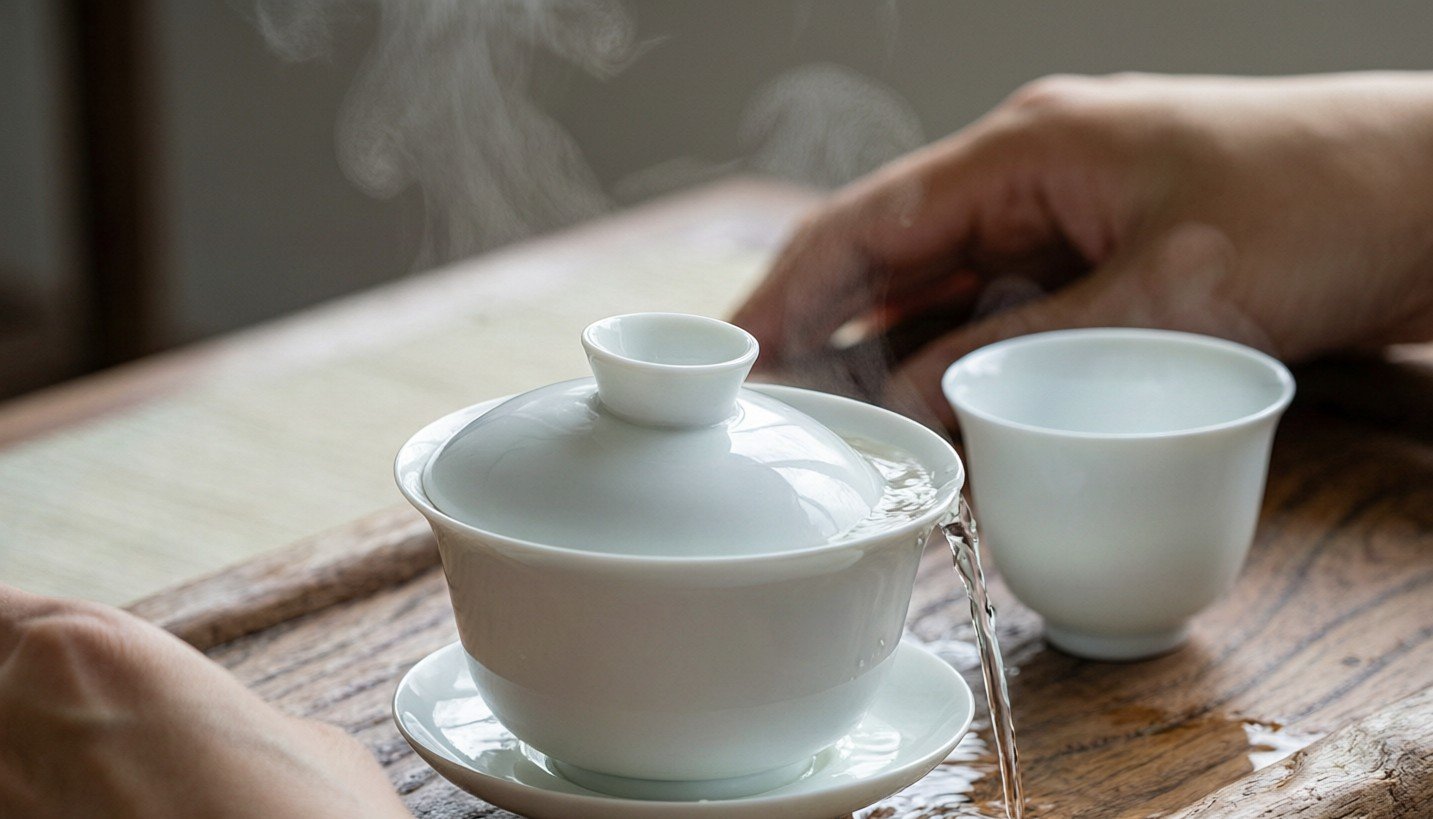
Use this as a starting point, then adjust by taste. A standardized tasting-liquor method exists for comparison cupping [2], but the baseline below adapts repeated short-infusion practice for everyday brewing.
- Vessel: 100–120 ml gaiwan or small teapot
- Leaf: 5–7 g
- Water: 90–95°C for young Naka; 95–100°C for aged or tightly compressed material
- Rinse: 3–5 seconds, discard
- First steep: 10–15 seconds
- Later steeps: add 5–10 seconds each round until the tea thins
- Final check: if the tea still gives sweetness after six or seven infusions, the leaf has stamina
The baseline matters less than the method: change one variable at a time, taste, and let the tea tell you what it needs.
Brewing technique only helps if the starting leaf is sound. If you are sourcing Naka cakes for retail, private label, or distribution, ask for a pressed sample, confirm the village and production year, and cup it against this baseline before committing. If you need a supplier who can explain lot-level Naka differences, email xuansc2144@gmail.com and describe the profile your customers expect.
Get Naka Pu-erh That Holds Up in the Cup
Flavor begins with the leaf, but a repeatable cup begins with the supplier. We help buyers source Naka pu-erh by village, batch, and pressing style, with clear lot information and cupping notes. Tell us your volume, target price range, and the flavor profile your customers want, and we will shortlist appropriate lots. Contact us at xuansc2144@gmail.com.
FAQ
Can Naka pu-erh be re-steeped more than other pu-erh?
Yes, within the category. A well-stored Naka cake can often give six to ten short gongfu infusions before flattening. The number depends on the material, age, and how gently the cake was broken.
What is the safest water temperature for a new Naka cake?
Start around 90–95°C for young material. Let boiling water rest for 30–60 seconds first. If the tea still tastes thin after two infusions, raise the temperature slightly rather than adding a large amount of leaf.
Why does my Naka pu-erh taste thin even when I add more leaves?
More leaf usually adds bitterness before it adds body. Naka tends to be lighter and more aromatic than heavy Bulang-region pu-erh. The better fix is to shorten the steeps, keep the gaiwan warm, and look for sweetness in the second and third infusions.
Should I break the cake along the leaf layers?
Yes. Breaking along the natural layers, rather than cracking the cake into fragments, helps the leaves unfold gradually. Coin-sized pieces generally perform better than dust.
Does aged Naka need different brewing than young Naka?
Often, yes. Aged or tightly compressed Naka can tolerate water closer to 100°C and may need a slightly longer rinse. Use the same short-infusion structure, but let the first steep run a few seconds longer if the compression is still tight.
References
[1] Standardization Administration of China. GB/T 22111-2008: Product of geographical indication—Pu'er tea. Beijing: Standards Press of China, 2008.
[2] International Organization for Standardization. ISO 3103:1980: Tea — Preparation of liquor for use in sensory tests. Geneva: ISO, 1980.
[3] Lv, H.-P., Zhang, Y.-J., Lin, Z., & Liang, Y.-R. Processing and chemical constituents of Pu-erh tea: A review. Food Research International, 2013, 53(2), 608–618.
No author description available.

白玉京