How Long Zhejiang Green Tea Keeps: Storage Rules That Work
Zhejiang green tea keeps best when it is handled as a fresh product. A sealed pack stored in cool, dry, dark, odor-free conditions usually holds its main flavor for about six to twelve months from processing, while an opened pack starts losing crispness and aroma within one to three months. The real window depends on moisture, oxygen, heat, light, and the tea's dryness and packaging. This guide explains what changes, what shortens the window, and which storage rules actually help.
What Zhejiang Green Tea Loses as It Ages
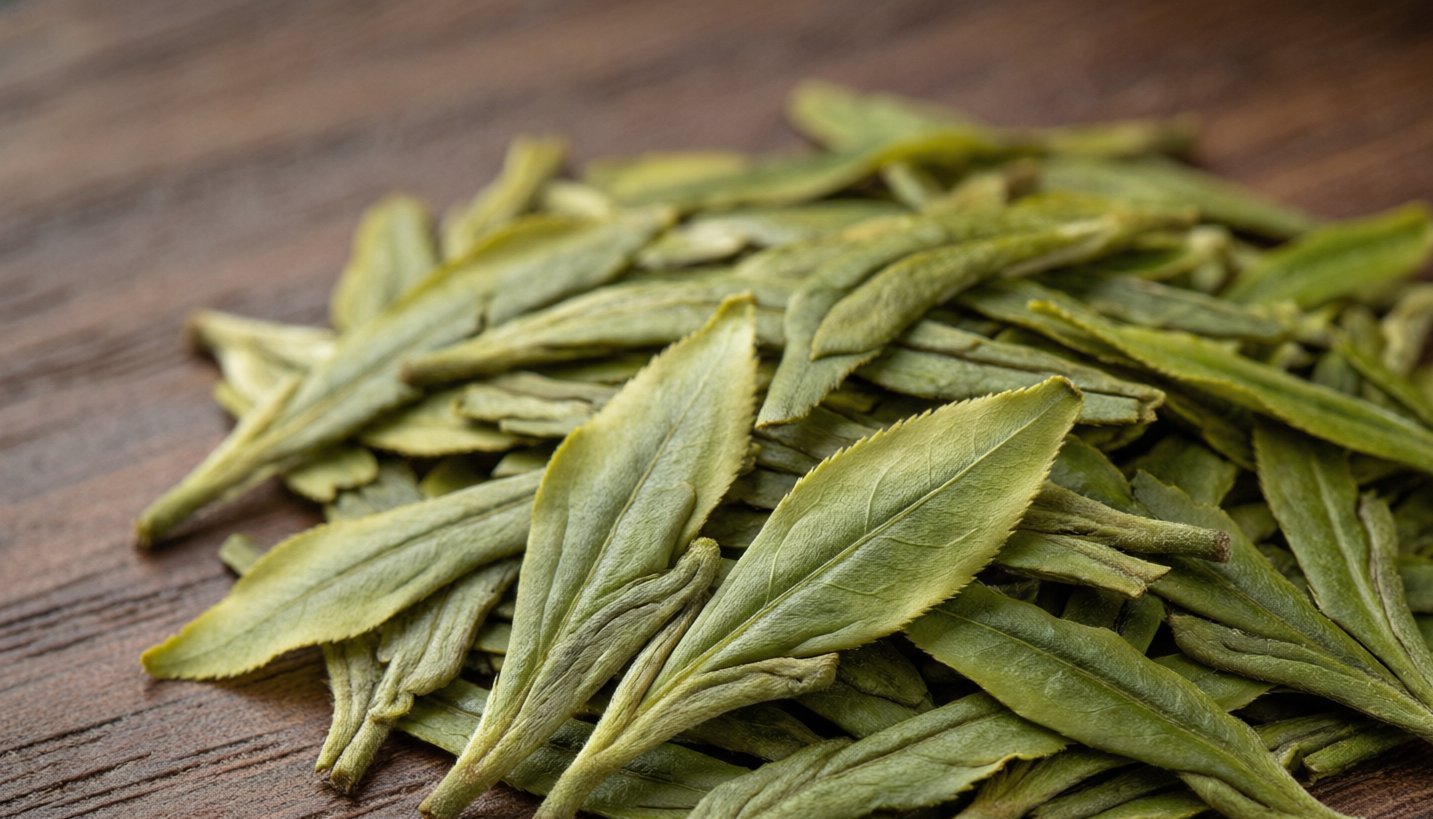
Zhejiang green teas such as Longjing, Anji Baicha, and Jingshan tea are valued for fresh, lively aromas. They carry grassy, chestnut, bean, or floral notes that come from volatile compounds and a low-oxidation leaf. Oxygen, heat, and residual moisture gradually break down those aromas. Chlorophyll fades, the dry leaf turns dull green or yellow, and the cup loses its bright, sweet top notes before it tastes bad. This is why shelf life is about quality first, not safety, when the tea has stayed dry and mold-free.
How Long Sealed vs Opened Zhejiang Green Tea Lasts
How long Zhejiang green tea keeps in practice depends on the pack state. The ranges below are useful planning windows, not guarantees, because storage conditions and starting moisture change the outcome.
| Storage state | Practical quality window | Main limit |
|---|---|---|
| Sealed bulk pack, foil-lined bag | About 12 months | Slow oxidation through the seal |
| Sealed retail pack, airtight and opaque | About 6 to 12 months | Gradual aroma loss |
| Opened pack, clipped and kept dry | About 1 to 3 months | Repeated air and moisture exposure |
| Unopened cold-stored pack | Up to 18 months when condensation is prevented | Condensation risk on warming |
Once oxygen reaches the leaf, the countdown speeds up. A sealed pack limits oxygen and moisture, but no packaging stops all vapor movement forever. A cold-stored pack can keep aroma longer only if it is brought to room temperature before opening so the leaves do not take up condensation.
Storage Conditions That Slow Flavor Loss
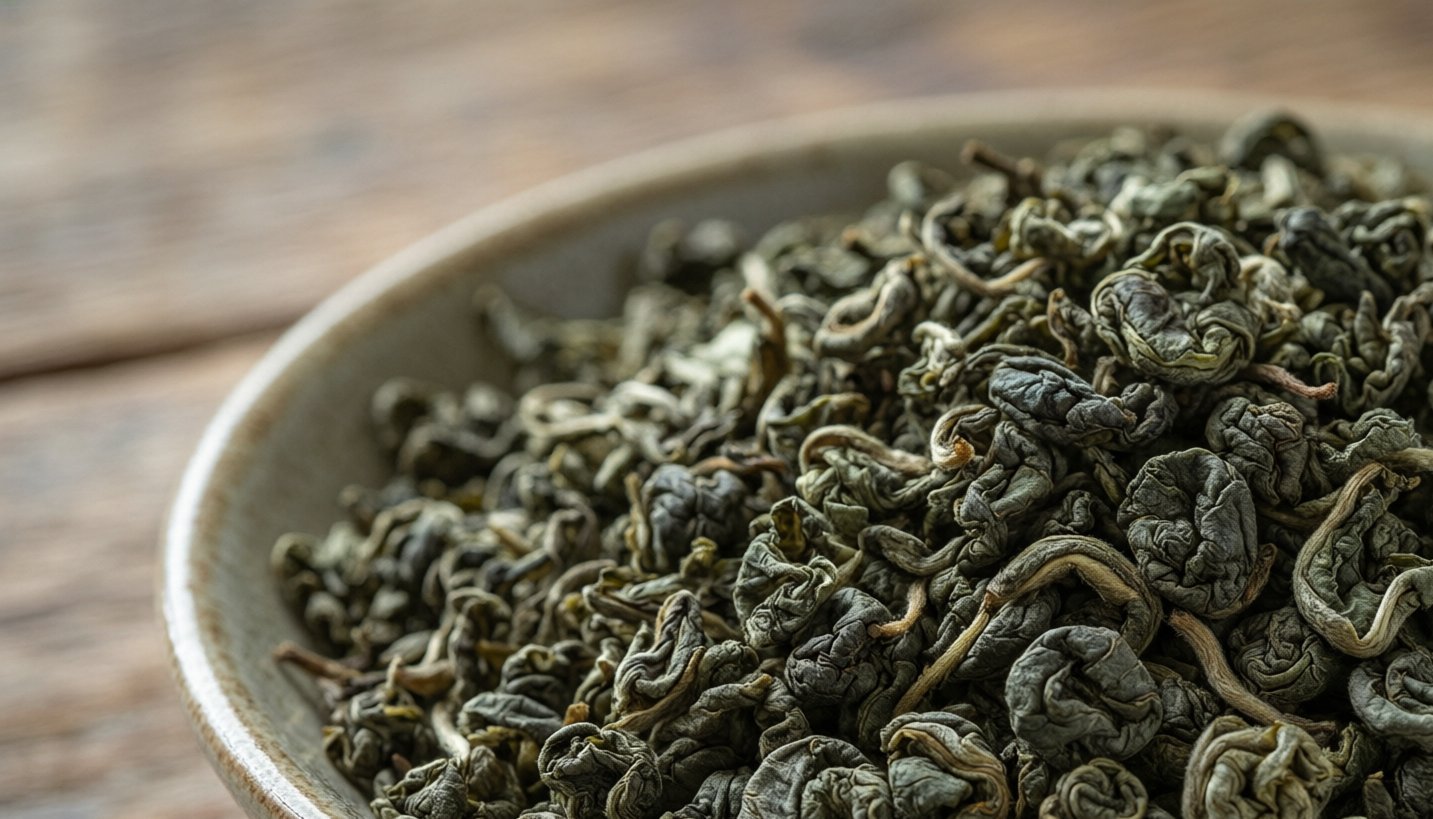
The four conditions that matter most are temperature, humidity, light, and surrounding odor. Heat speeds oxidation and aroma loss. High humidity raises the moisture in the leaf and invites mold. Light, especially sunlight, fades chlorophyll and heats the pack. Strong smells from spices, coffee, or cardboard transfer into dry tea because it absorbs odors quickly. Keep Zhejiang green tea below 20°C where practical, below about 60 percent relative humidity, away from light, and away from strong-smelling goods.
Packaging and Containers That Help
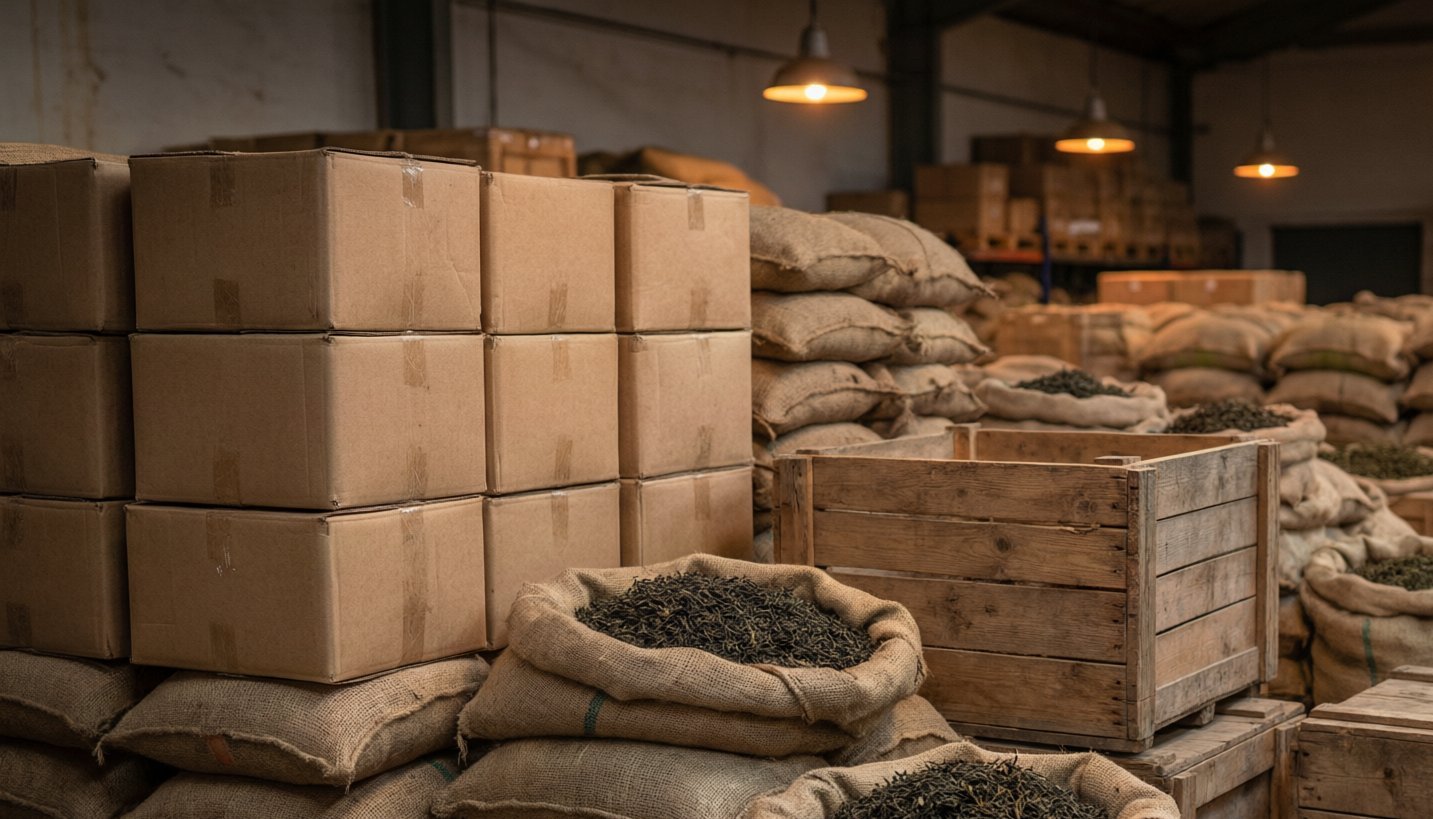
Foil-lined, opaque, heat-sealed bags give the most protection. A nitrogen flush or oxygen absorber reduces the oxygen inside the pack and slows oxidation, especially for long-distance or warm-climate shipments. Clear glass jars look attractive on a counter, but they expose the leaves to light and temperature swings every time the room changes. If you open a retail pack, squeeze out as much air as possible, roll the bag down, and clamp it. Keep the remaining tea in the original lined bag rather than transferring it to a plain plastic bag.
Vacuum packing helps stop oxygen, but it can crush flat leaf shapes. Use it when the leaf can withstand compression. For buyers and importers, the packaging decision should match the route and shelf time. A short domestic route with fast turnover may tolerate a simpler lined pouch. A summer container shipment, a humid port stop, or a long retail stay needs a higher barrier and a clear harvest date on the outer carton.
A Storage Checklist for Buyers and Importers
Run these checks when receiving, storing, or re-offering Zhejiang green tea.
- Check the harvest date and keep first-in, first-out rotation.
- Check the inner pack for holes, loose seals, or condensation.
- Store at cool, dry, dark, odor-free conditions and record temperature and humidity where possible.
- Taste or cup a sample before a new order ships or after long storage.
- Look for faded color, flat aroma, or a dull yellow-brown liquor as signs of age.
- If the leaf smells musty, sour, or moldy, do not sell it as fresh tea.
When to Pull Aged Zhejiang Green Tea From Inventory
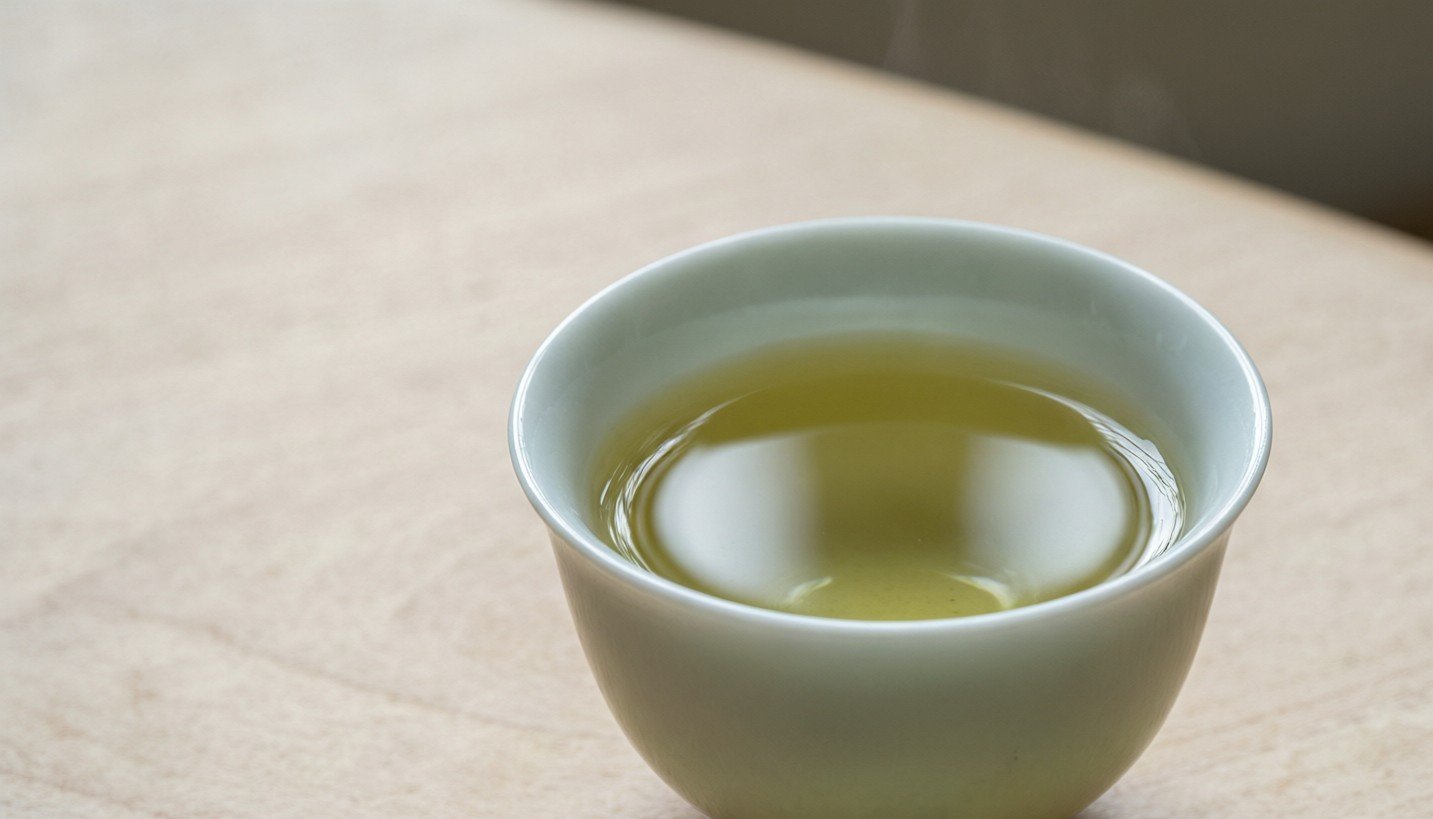
A well-stored tea may still be drinkable after its best window, but it will not deliver the fresh top notes a buyer expects. Taste before deciding. If the dry leaf has lost its green color, the aroma is blank, and the brew is flat or brownish, it should be marked as older stock, used as a base, or replaced. If there is any mustiness or visible mold, remove it from food stock. A quick final gate is to brew a small cup with the same ratio you recommend to customers and compare it with a fresh sample.

Get Zhejiang Green Tea That Holds Up
The most useful storage plan starts before packing: a current harvest, low moisture, and packaging matched to your route and shelf time. Chinese tea suppliers can help you match Zhejiang green tea harvest date, moisture content, bulk format, and shipping condition to the storage you have. Email 427728483@qq.com with the tea type, harvest date, package size, destination climate, and order volume, and request a shelf-life plan.
FAQ
Does refrigerating Zhejiang green tea extend its shelf life?
It can. A sealed pack kept cold slows oxidation and aroma loss. The risk is condensation: when a cold pack is opened in a warm room, moisture can settle on the leaves. Bring the sealed pack to room temperature first. Refrigeration helps more for unopened stock than for a frequently opened daily tea.
How can I tell if Zhejiang green tea has gone stale?
Check the dry leaf, the aroma, and the cup. Fresh Zhejiang green tea has a clear green color and an immediate grassy, chestnut, or floral smell. Stale tea looks dull or yellow, smells flat or papery, and brews yellow-brown with little sweetness. A musty or sour smell means the tea should be discarded.
Does vacuum packaging stop all flavor loss?
No. Vacuum packaging removes most oxygen, which slows oxidation, but it does not stop heat, time, or moisture movement completely. It can also crush flat or delicate leaf shapes. Use vacuum packing when the leaf can handle compression, and still keep the pack cool and dark.
Can I store Zhejiang green tea in a clear jar if it looks nice?
A clear jar is one of the weakest choices for daily storage. Light fades and heats the leaves, and a loose lid lets in oxygen and odors. If you display tea in glass, keep the jar in a dark cabinet and refill it from a sealed lined bag rather than storing the whole supply there.
What is the best way to store opened Zhejiang green tea?
Squeeze out air, roll the bag down, and clamp it. Keep the tea in its original lined bag or an opaque, airtight, food-safe container. Store it in a cool, dark, odor-free place and try to use it within one to three months. Do not leave the bag open in a warm kitchen or near a window.
No author description available.

白玉京