Ripe pu-erh—often called shou pu-erh, cooked pu-erh, or shú pǔ’ěr—is the fully fermented cousin of raw pu-erh. Instead of aging for decades, shou is made through controlled wet-piling fermentation, an accelerated process that compresses years of microbial change into weeks. The result is dark, earthy, smooth, and widely described as “good for the gut.” This article separates what the evidence supports from what wellness marketing has inflated.
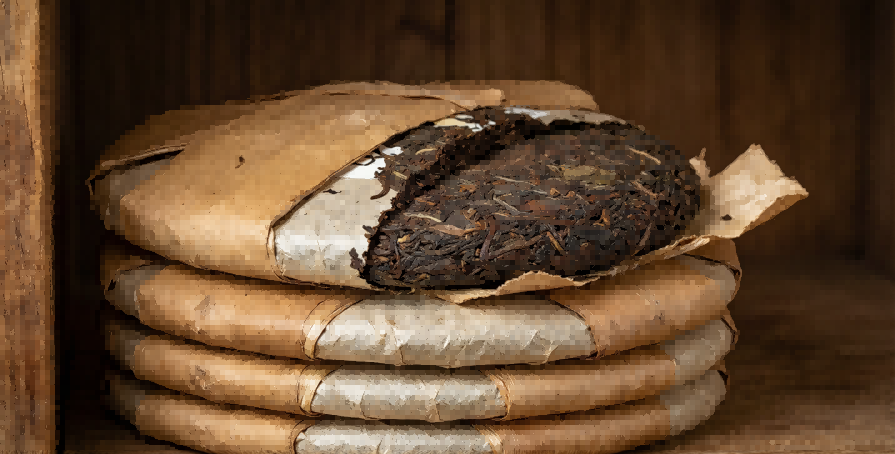
If you are evaluating shou as a buyer rather than a drinker, the same quality signals matter in supplier conversations. The sourcing section below turns them into a practical checklist.
What Is Ripe Pu-erh (Shou) Tea?
Shou pu-erh starts as sun-dried Yunnan large-leaf maocha. Producers pile the leaves, add moisture, and maintain specific heat and humidity while fungi, yeasts, and bacteria work through the leaf. The process is full post-fermentation, so the tea is dark and low in astringency from the start.
Fermentation changes the chemistry. Polyphenols oxidize and polymerize into theabrownins, the dark pigments that give shou its color and much of its studied activity [1]. Gallic acid increases while bitter catechins decline. That is why well-made shou tastes earthy, woody, or sweet rather than sharp.
Gut Health and Digestion: The Core Claim
The strongest mechanistic case for shou is digestive. Research shows that pu-erh extracts can shift the gut microbiota toward a composition associated with better metabolic health and increase short-chain fatty acids [1]. That aligns with traditional use after rich meals.
But shou does not “burn fat” the way some marketing implies. Its digestive reputation comes from low astringency, fermentation products, and a comparatively gentle cup. A poorly fermented or musty cake can do the opposite, which is why cupping the actual lot matters more than a lab claim.
Metabolic and Cardiovascular Effects
A 12-week human trial in pre-obese and overweight Japanese adults found that daily Pu-Erh water extract produced modest reductions in body weight and BMI, though the effect size was small and the trial used an extract rather than brewed tea [3]. Earlier animal studies reported lower body fat and improved lipid profiles with pu-erh extract [2].
More recent work connects theabrownin to cholesterol metabolism through gut microbiota and bile acid pathways, not through direct appetite suppression [1]. This means shou may support—not replace—usual metabolic health measures such as diet quality and activity. Claims that shou “washes away fat” overstate the evidence.
Caffeine, Absorption, and Daily Limits
Shou pu-erh contains caffeine, though the amount varies by leaf grade, fermentation, and brewing method. It usually feels gentler than strong coffee, but it is not caffeine-free. Regulatory guidance for healthy adults generally considers up to 400 mg of caffeine per day safe [4]; EFSA has similar population-level assessments [5].
Fermentation does not remove caffeine. Short gongfu steeps extract less than a long Western brew, but neither method makes the tea caffeine-free. Pregnant or breastfeeding consumers and people with iron-deficiency concerns should seek individualized advice.
How to Choose a Shou Pu-erh Worth Drinking
- Look at the cake: leaves should not be uniformly black or muddy. Some golden buds or intact leaf structure should be visible.
- Spend on the first two steeps: clean earth, aged wood, dried jujube, or camphor notes are good signs. Fishy, sour, or harsh compost notes are warning signals.
- Check the feel: shou should be dry enough to snap slightly but not crumble to dust.
- Ask for testing: reputable suppliers should provide pesticide, heavy metal, and microbial reports.
- Taste the rinse and the second steep before committing to volume.
Sourcing Shou Pu-erh for Retail or Private Label
If you are buying shou pu-erh for wholesale, private label, or food service, start with samples from several supplier lots rather than a single brand story. Ask for batch-specific testing, storage history, and a clean-tasting rinse. We at Chinese tea suppliers can match your target price, cake size, and flavor profile with current Yunnan production. Contact us at 427728483@qq.com for cupping samples and documentation.
Brewing Shou for Taste and Consistency
Use about 1 g of tea per 15–20 ml of water for gongfu style, or 4–5 g in a 150 ml teapot. Bring water to 95–100 °C. Rinse once for 5–10 seconds, then start the first real steep at 10–15 seconds. Add 5–10 seconds per infusion. Shou is forgiving and rarely turns bitter, but over-steeping makes it muddy rather than deep.
Ripe pu-erh is a legitimate fermented tea with measurable compounds and a real but modest research base—especially around gut microbiota and lipid metabolism. It is reasonable to call it a good daily tea for people who enjoy earthiness and want a low-astringency option. But “good for you” is not the same as “clinically treats metabolic disease.” The honest framing: shou is a pleasant, low-bitter food with promising bioactives, not a supplement.
Source Ripe Pu-erh (Shou) Tea with Traceable Testing
As Chinese tea suppliers, we help importers and private-label brands source shou pu-erh with batch-specific testing and storage documentation. Tell us your target flavor profile, cake size, and compliance requirements—our team will recommend matching lots, send cupping samples, and review export needs. Contact our sourcing desk at 427728483@qq.com.
Frequently Asked Questions
Does ripe pu-erh tea contain caffeine?
Yes. Fermentation changes the flavor and polyphenol profile but does not eliminate caffeine. A typical cup has less perceived stimulation than strong coffee, but sensitive drinkers should treat it as a caffeinated beverage.
Is shou pu-erh safe to drink every day?
For most healthy adults, daily shou is fine within normal caffeine limits. The main concerns are individual caffeine sensitivity, iron absorption in susceptible people, and choosing tea that has passed food-safety testing.
Does ripe pu-erh help with weight loss?
The evidence is modest. One human trial found small reductions in body weight and BMI using Pu-Erh extract [3], and animal studies show metabolic effects [2]. But shou is not a weight-loss treatment, and the strongest research points to gut-microbiota and bile-acid pathways rather than rapid fat loss [1].
How is shou different from raw pu-erh?
Raw pu-erh is initially closer to green tea and changes slowly with years of storage. Shou undergoes accelerated wet-piling fermentation, so it is dark, earthy, and smooth from the start and does not require long aging to lose astringency.
Should I rinse shou pu-erh before brewing?
Yes. A quick 5–10 second rinse wakes the leaves, removes surface dust, and gives you a chance to check the aroma before the real steep. Discard the rinse water.
Is aged shou better than young shou?
Not always. Aging can mellow a rough young shou and round out the flavor, but a cleanly fermented young shou can already taste soft and rich. Age matters less than fermentation quality and storage conditions.
References
[1] F. Huang, X. Zheng, X. Ma, et al., “Theabrownin from Pu-erh tea attenuates hypercholesterolemia via modulation of gut microbiota and bile acid metabolism,” Nature Communications, vol. 10, no. 1, p. 4971, Oct. 2019. doi: 10.1038/s41467-019-12896-x.
[2] Z.-H. Cao, D.-H. Gu, Q.-Y. Lin, et al., “Effect of pu-erh tea on body fat and lipid profiles in rats with diet-induced obesity,” Phytotherapy Research, vol. 25, no. 2, pp. 234–238, Feb. 2011. doi: 10.1002/ptr.3247.
[3] K. Kubota, N. Sumi, H. Matsuda, et al., “Improvements of mean body mass index and body weight in preobese and overweight Japanese adults with black Chinese tea (Pu-Erh) water extract,” Nutrition Research, vol. 31, no. 6, pp. 421–428, Jun. 2011. doi: 10.1016/j.nutres.2011.05.004.
[4] U.S. Food and Drug Administration, “Spilling the Beans: How Much Caffeine Is Too Much?” [Online]. Available: https://www.fda.gov/consumers/consumer-updates/spilling-beans-how-much-caffeine-too-much.
[5] European Food Safety Authority, “Scientific Opinion on the safety of caffeine,” EFSA Journal, vol. 13, no. 5, p. 4102, 2015. doi: 10.2903/j.efsa.2015.4102.