Kang Zhuan (康砖) tea is not a wellness fad that appeared last year. It is a post-fermented dark tea pressed into dense blocks in Ya’an, Sichuan, and for centuries it was shipped to Tibet and China’s western border regions as an everyday staple. In the past few years, online sellers have started promoting it with language borrowed from the supplement industry: “detox,” “gut reset,” “metabolic support.” Some of that language has roots in real chemistry. Some of it is borrowed hype. This guide separates the two.
What Is Kang Zhuan Tea and How Is It Made?
Kang Zhuan belongs to the South Road border tea tradition of Sichuan. It is made from mature leaves and some stems rather than tender spring buds, which is part of why it brews dark, full-bodied, and slightly earthy. The production path includes fixation, rolling, pile fermentation, repeated cutting and pressing, and final compression into rectangular bricks. During pile fermentation, native microorganisms convert catechins into theabrownins, gallic acid, and other compounds that give dark tea its characteristic color and mellow taste [1].
That processing is the key to every health claim that follows. If you start with the wrong leaf grade or rush the fermentation, you get a thin cup with almost none of the chemistry people are actually paying for.
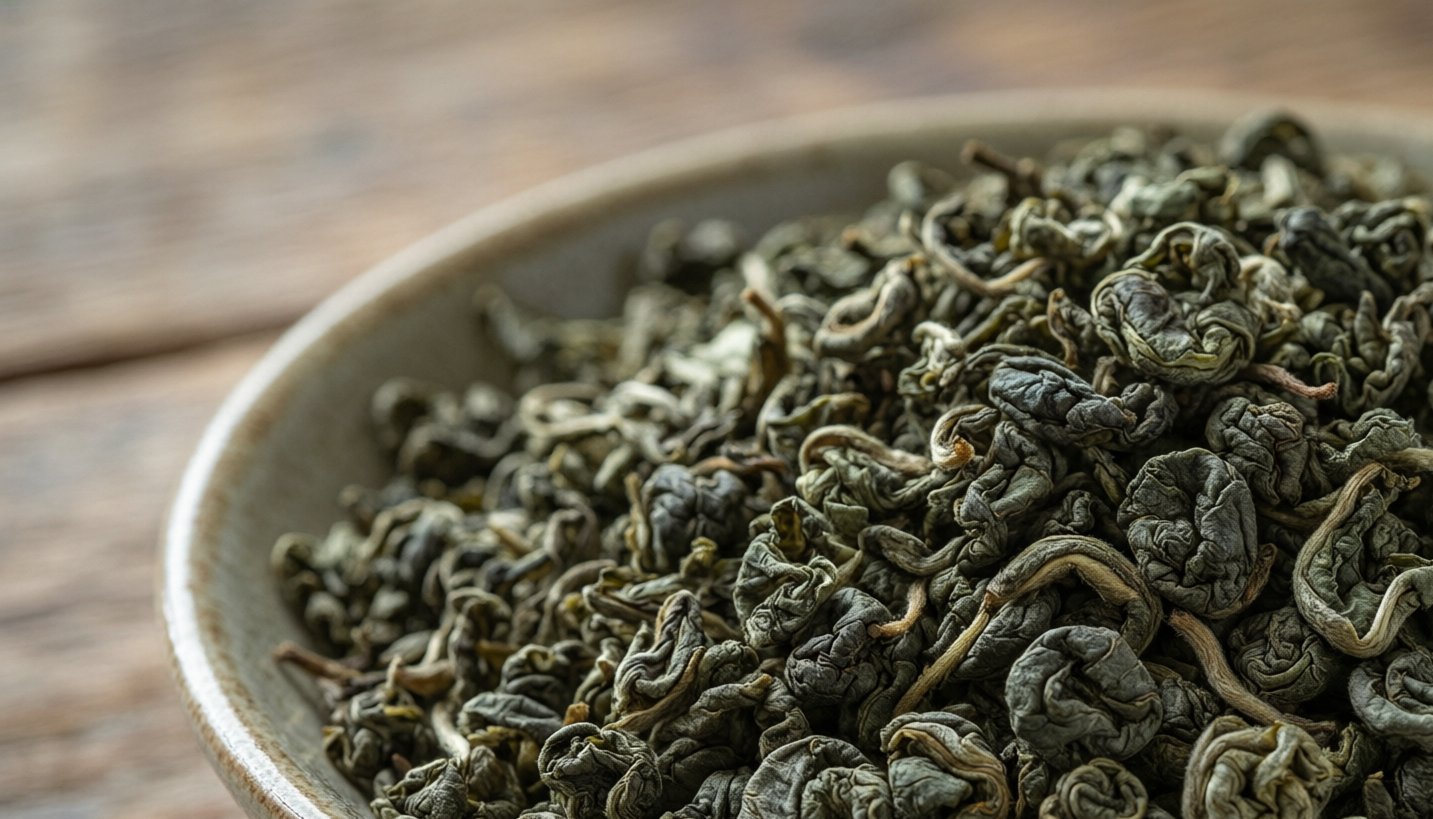
The Ya’an South Road border tea craft is recognized as part of China’s national intangible cultural heritage [2]. That recognition is about origin and method, not a medical claim, but it matters when you are buying: real Kang Zhuan should trace to Sichuan and should be a genuine post-fermented brick, not a loosely packed imitation.
Where the Evidence Is Strongest
The honest version of Kang Zhuan’s benefits rests on a few areas where the chemistry is plausible and the tradition is long, even if human clinical proof is still limited.
Digestive comfort. This is the most common reason people actually drink Kang Zhuan. Post-fermented teas contain microbial metabolites and polysaccharides that may interact with gut microbiota, and many drinkers report that a cup after a rich meal feels gentler on the stomach than a green tea. The mechanistic research is suggestive, but the number of large, well-controlled human trials remains small [3].
Metabolic support. Laboratory and animal studies show that theabrownins and dark tea polysaccharides can influence lipid metabolism and shift gut bacteria in favorable directions. This is real preliminary evidence, but it is not the same as proof that drinking Kang Zhuan will change your body weight or blood markers.
Antioxidant activity. Kang Zhuan retains polyphenols and also gains new compounds during fermentation that show antioxidant capacity in laboratory assays. That tells you the tea has active chemistry; it does not automatically translate into a measurable health outcome in your body.
Moderate caffeine with a gentler edge. Because Kang Zhuan uses mature leaves, its caffeine level per serving is generally moderate. Many people describe the effect as steady rather than jittery, though individual sensitivity varies more than any tea category claim.
Where the Hype Outruns the Evidence
Three patterns should make you cautious when reading Kang Zhuan marketing.
First, detox claims. “Detox” is often a marketing word attached to studies done on cells or rodents, with no dose, duration, or outcome specified for humans.
Second, precise numbers without trials. Be skeptical of statements like “lowers blood sugar by a specific percentage” unless they cite a human study on Kang Zhuan specifically. Most such numbers come from extracted compounds tested in animals at doses far higher than you would drink.
Third, cure language. No single tea treats or prevents disease, and any seller implying otherwise is overstating the evidence.
Kang Zhuan can be a reasonable daily tea for healthy adults. It is not a supplement-grade intervention, and it should not replace medical advice or prescribed treatment.
If you are sourcing Kang Zhuan for retail, food service, or private label, request batch documentation and origin proof before you commit. For supplier details and current brick-format specifications, contact 427728483@qq.com.
Safety, Caffeine, and Who Should Be Cautious
Moderate consumption of Kang Zhuan is generally considered safe for most adults, with the same practical caveats that apply to tea overall [4]. A reasonable daily range is roughly two to four standard cups, adjusted for how your body handles caffeine.
Certain groups should be more careful. Pregnant women should limit caffeine from all tea sources. People with iron-deficiency anemia should avoid drinking tea immediately with meals, because tea tannins can reduce non-heme iron absorption. Anyone with acid reflux may find strong dark tea too stimulating, and anyone taking medication that interacts with caffeine should check with a clinician.
Pay attention to storage too. A musty or sour brick is not “aged character”; it is a sign of mold or improper conditions, and it should not be brewed.
How to Brew Kang Zhuan Tea Properly
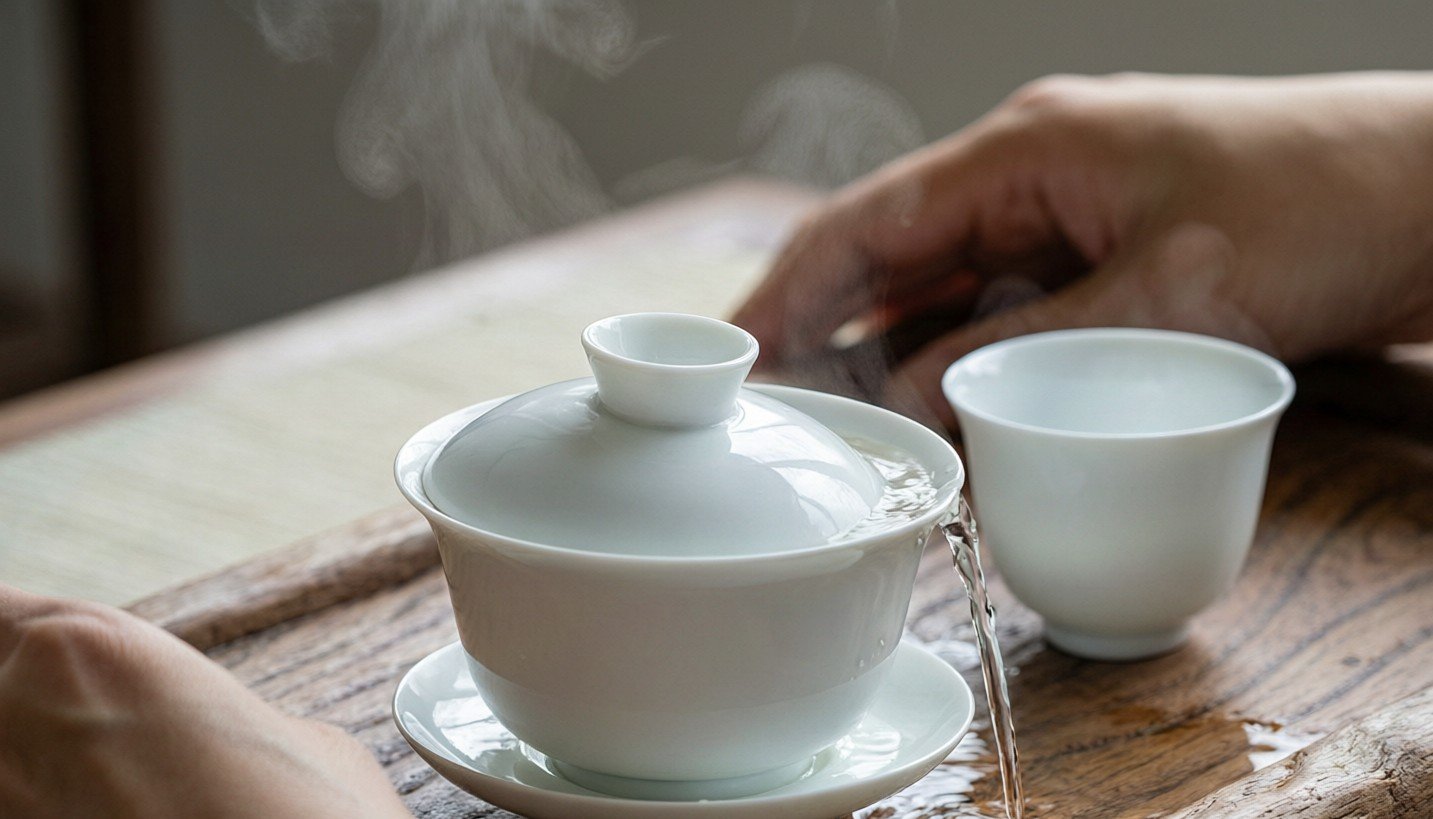
Kang Zhuan is forgiving, but it rewards the right technique. For gongfu brewing, use about 5 to 6 grams of broken brick per 150 to 200 milliliters of water at a full boil. Rinse once for five to ten seconds, then start with short steeps of fifteen to thirty seconds and increase gradually. The same tea can also be brewed western style, or simmered when you want a thicker, soupier cup.
Use a tea needle or a blunt pick to break pieces from the brick along its compression lines. Avoid prying with a sharp knife, which crushes the leaf and can slip.
Buying and Storing Kang Zhuan Brick Tea
A good Kang Zhuan brick should state its origin, producer, and production date. The compression should be firm but not rock-like, and the dry aroma should be clean, woody, and slightly earthy with no must or chemical note.
Store Kang Zhuan in a cool, dry, odor-free space with some airflow. Keep it away from direct sunlight, strong kitchen smells, and humidity. Well-stored Kang Zhuan can mature slowly and soften over several years, which is one reason buyers sometimes hold bricks rather than drinking them immediately.
Wholesale Inquiry
We help buyers source certified Kang Zhuan dark tea directly from Chinese tea suppliers in brick and bulk formats. If you need wholesale specifications, production documentation, or current pricing for your market, email 427728483@qq.com with your target brick size, quantity, and destination country, and we will provide options tailored to your requirements.
Frequently Asked Questions
Is Kang Zhuan tea the same as Pu-erh?
No. Both are post-fermented teas, but Kang Zhuan comes from Sichuan and follows the South Road border tea method. Pu-erh is a Yunnan product with different raw material conventions, geography, and processing detail.
Does Kang Zhuan tea contain caffeine?
Yes. Although mature leaves and stems generally carry less caffeine than tender buds, Kang Zhuan is not caffeine-free. People sensitive to caffeine should moderate their intake and avoid it late in the day.
Can I drink Kang Zhuan every day?
Most healthy adults can drink it daily in moderation, roughly two to four cups. Adjust based on how you respond to caffeine and tannins, and pause if you notice digestive discomfort or sleep changes.
Can Kang Zhuan help me lose weight?
There is no strong human evidence that drinking Kang Zhuan directly causes weight loss. Early laboratory and animal research on dark tea compounds is interesting, but it does not support firm weight-loss claims for regular tea drinkers.
How long does Kang Zhuan tea last?
Properly stored Kang Zhuan can remain drinkable for many years, and many people prefer the softer character that develops with age. Keep it dry, cool, and away from odors and sunlight.
References
[1] Y. Xu et al., “Microbial fermentation and transformation of polyphenols in dark tea,” Food Research International, review of post-fermented tea processing chemistry.
[2] China National Intangible Cultural Heritage documentation, Ya’an South Road border tea production technique.
[3] H. Zhu et al., “Post-fermented tea and gut health: mechanistic insights and evidence gaps,” Critical Reviews in Food Science and Nutrition.
[4] National Health Commission and general dietary guidelines for caffeine-containing beverages, adult consumption guidance.