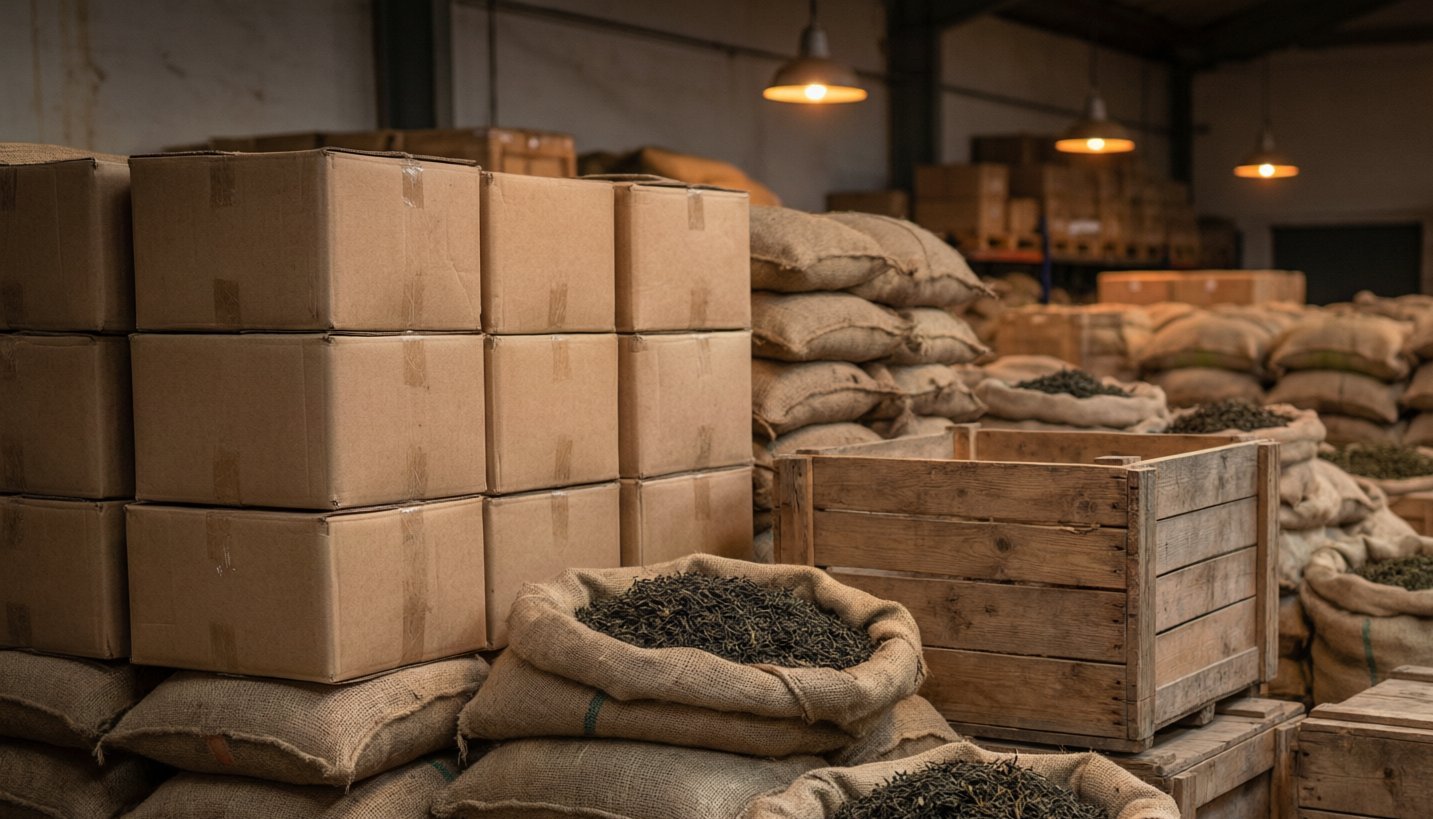
Tea is no longer just a break room afterthought. For HR teams and office managers, it has become one of the easiest wellness benefits to adopt: low cost, low friction, and usable every day without an app, a login, or a medical form. For tea suppliers, that creates a repeat-purchase B2B channel with a clear decision maker and a built-in renewal rhythm.
The key is to stop selling tea as a beverage and start positioning it as a workplace ritual that fits an employer’s existing wellness, retention, and facilities goals.
Why Tea Fits the Modern Employee Wellness Model
Workplace wellness programs have shifted toward practical, daily-use perks that employees actually engage with. Low-cost, everyday benefits consistently outperform occasional grand gestures in participation [1]. Tea fits that pattern because it requires no behavior change beyond brewing a cup.
From a health and hydration standpoint, unsweetened tea offers a practical alternative to sugar-sweetened beverages. The World Health Organization recommends limiting free sugars as part of a healthy dietary pattern, and plain tea supports that guidance [5]. Research on tea broadly notes that Camellia sinensis contains flavonoids, L-theanine, and modest caffeine [2][3].
What matters for the B2B conversation is that tea is low-risk for employers. It does not require medical disclosures, wearable devices, or complex program administration. It is simply a better default option for the office kitchen.
Three Ways Employers Actually Buy Tea as a Benefit
Understanding how HR teams purchase tea is the foundation of a successful sales approach.
1. Office Pantry Subscription
This is the most consistent revenue model. Employers stock a centralized tea station with a rotating selection of green tea, black tea, oolong, and herbal options. Orders recur monthly or quarterly, and the supplier manages the replenishment schedule.
2. Wellness Event or Tea Break Program
Employers use tea for stress-management initiatives, mindful break challenges, or team-building sessions. These often begin as a one-time order of tasting kits or a guided cupping, with follow-up orders tied to seasonal collections.
3. Employee Gifts and Onboarding Kits
Tea boxes appear in holiday gifting, new-hire welcome kits, and wellness milestone rewards. These orders spike around predictable dates and can carry strong private-label or branded packaging opportunities.
| Program format | What HR usually buys | Typical approach | Renewal hook |
|---|---|---|---|
| Office pantry | Bulk loose leaf, pyramid sachets | Recurring monthly/quarterly | Usage data and automatic reorder triggers |
| Wellness event | Sample kits, cupping demo | One-off plus follow-up | Seasonal collection or quarterly tasting |
| Gifts/perks | Gift boxes, private-label sets | Scheduled orders | Holiday and onboarding calendar reorders |
How to Build a Workplace Tea Program That Renews
A successful wellness program is not a one-time sale. It is a system that makes reordering feel automatic for the HR buyer.
Start with a 90-day pilot. A practical starter selection includes two caffeinated options, two herbal or low-caffeine options, and one decaf choice. This covers different preferences, caffeine tolerances, and times of day.
Provide simple brewing infrastructure. Employers do not want complicated equipment. An airpot or hot water dispenser, a few strainers for loose leaf, and clear preparation cards are usually enough. Include brewing temperature, steep time, and caffeine guidance for each tea.
Keep the SKU count low. Too many choices create inventory confusion and slow down the buyer. A focused assortment is easier to manage, easier to reorder, and easier for employees to navigate.
Track consumption and trigger reorders. Offer a simple restock schedule based on number of employees and average cups consumed. A predictable reorder calendar is often more valuable to HR than a discount.
Handling HR Objections: Caffeine, Cost, and Logistics
HR teams expect pushback from finance, facilities, and employees. Prepare answers before the conversation.
Caffeine Concerns
Always offer decaf and herbal options. Label approximate caffeine per serving so employees can make informed choices. Position lower-caffeine green and white teas for afternoon use and herbal tisanes for late-day drinking.
Cost Per Employee
Tea is usually positioned as a cost-effective alternative to coffee shop runs or soda-stocked vending machines. Frame pricing as a per-employee-per-week cost, not an annual line item. Most HR buyers find that framing easier to defend internally.
Space and Facilities
Tea stations do not require plumbing changes, refrigeration, or dedicated staff. A shelf, hot water access, and sealed storage containers are enough. That simplicity is a major selling point for facilities managers.
Health Claims Compliance
Avoid disease-prevention language. Tea is a conventional food, and marketing should not imply that it treats, cures, or prevents any condition [4]. Use factual, non-medical phrasing such as “an unsweetened alternative,” “a low-caffeine option,” or “a mindful break ritual.”
Sample Order Structure for a Piloting HR Team
A concrete example helps buyers move from interest to decision.
| Item | Suggested pilot quantity | Purpose |
|---|---|---|
| Green tea pyramid sachets | 100 sachets | General daily option |
| Light oolong loose leaf | 500 g | Afternoon ritual, low caffeine |
| Herbal tisane bags | 100 bags | Caffeine-free evening option |
| Brewing guide cards | 10 cards | Reduce user error at the station |
| Airtight storage tins | 3 tins | Preserve freshness and reduce waste |
This structure lets an HR team test adoption, employee feedback, and reorder frequency without committing to a large initial inventory.
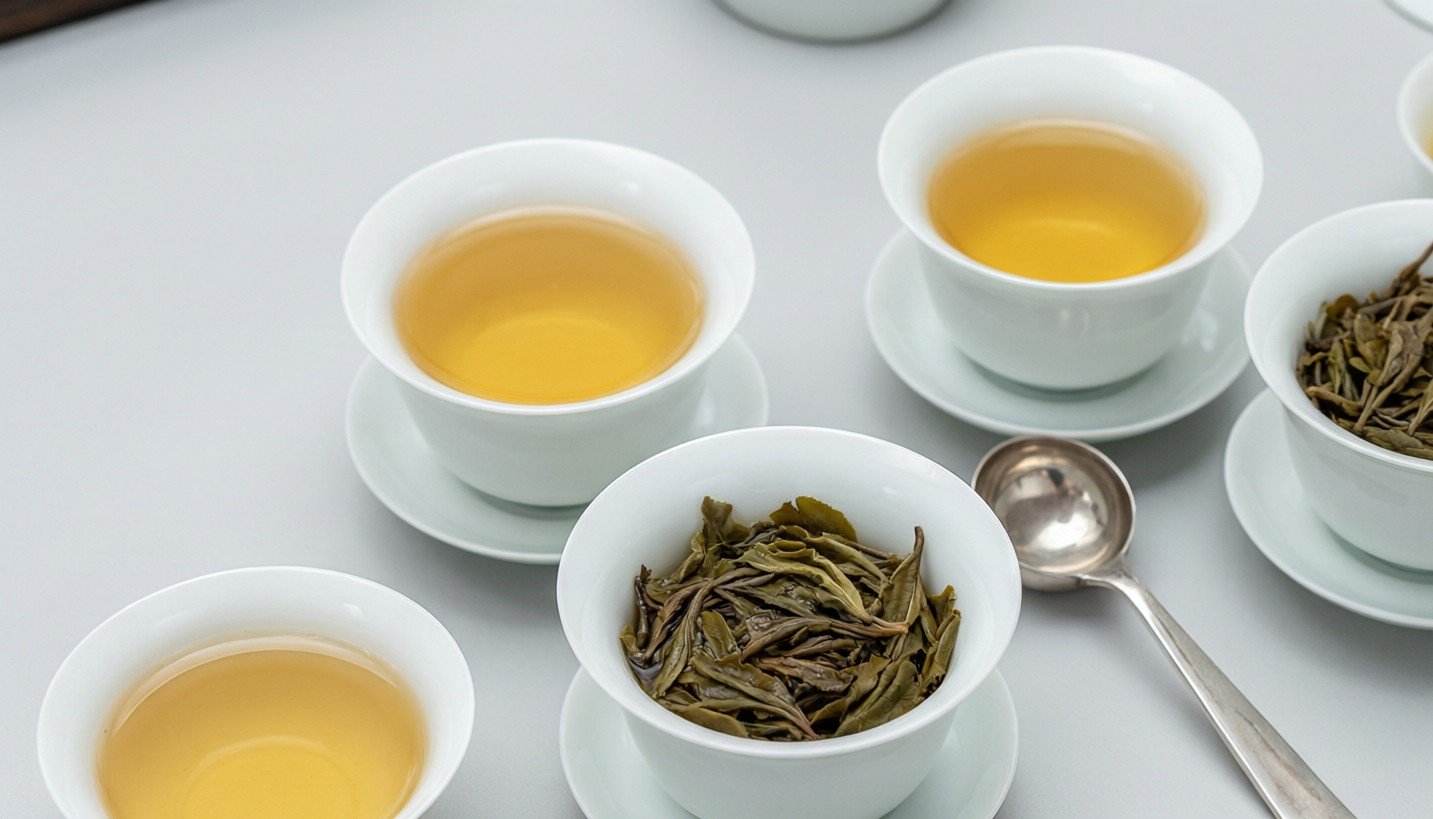
Ready to Put Together a Workplace Tea Program?
If you are an HR leader, office manager, or distributor exploring tea as an employee wellness benefit, we are happy to help you structure a pilot. As Chinese tea suppliers, we provide loose-leaf tea, bulk sachets, private-label options, and seasonal collections for workplace programs.
Email us at 427728483@qq.com with your approximate number of employees, preferred tea formats, and whether you need branded packaging. We will respond with a short list of pilot-ready options.
Talk to a Tea Sourcing Specialist
For larger corporate programs, multi-site rollouts, or private-label workplace tea lines, we can build a sourcing plan around your budget and delivery schedule. Contact us at 427728483@qq.com to discuss bulk tea programs, wholesale pricing, and ongoing replenishment.
Frequently Asked Questions
What type of tea is best for an office wellness program?
A mixed selection works best: one or two green teas, one lighter oolong, one black tea, and one or two herbal tisanes. This covers morning, afternoon, and caffeine-free evening preferences without overwhelming employees with choices.
How much caffeine is in the tea, and can we offer decaf?
Caffeine levels vary by tea type, leaf grade, and brewing time. A practical program includes clearly labeled low-caffeine and caffeine-free options. Decaf and herbal selections help employees choose based on their own tolerance and time of day.
Can we put our own logo on the tea packaging?
Yes, many suppliers offer private-label or branded packaging for pyramid sachets, tins, and gift boxes. Minimum order quantities usually apply, and packaging timelines depend on the supplier’s production schedule.
What is the minimum order for a pilot?
Pilot orders can begin modestly, often with a mixed selection of sachets, loose leaf, and a small number of brewing accessories. The exact minimum depends on the supplier and whether packaging is stock or custom.
How should HR phrase tea health claims to stay compliant?
Use factual language about the product itself, such as “unsweetened,” “low-caffeine,” or “herbal.” Avoid claims that tea prevents, treats, or cures any disease. Food products are regulated differently from dietary supplements, and employers should keep messaging conservative [4].
References
[1] Society for Human Resource Management. “Employee Benefits Survey.” SHRM, 2023. https://www.shrm.org/hr-today/trends-and-forecasting/research-and-surveys/pages/2023-employee-benefits-survey.aspx
[2] National Center for Complementary and Integrative Health. “Green Tea.” NCCIH, 2020. https://www.nccih.nih.gov/health/green-tea
[3] Harvard T.H. Chan School of Public Health. “Tea.” The Nutrition Source. https://www.hsph.harvard.edu/nutritionsource/food-features/tea/
[4] U.S. Food and Drug Administration. “Label Claims for Conventional Foods and Dietary Supplements.” FDA, 2022. https://www.fda.gov/food/food-labeling-nutrition/label-claims-conventional-foods-and-dietary-supplements
[5] World Health Organization. “Healthy diet.” WHO Fact Sheet, 2020. https://www.who.int/news-room/fact-sheets/detail/healthy-diet