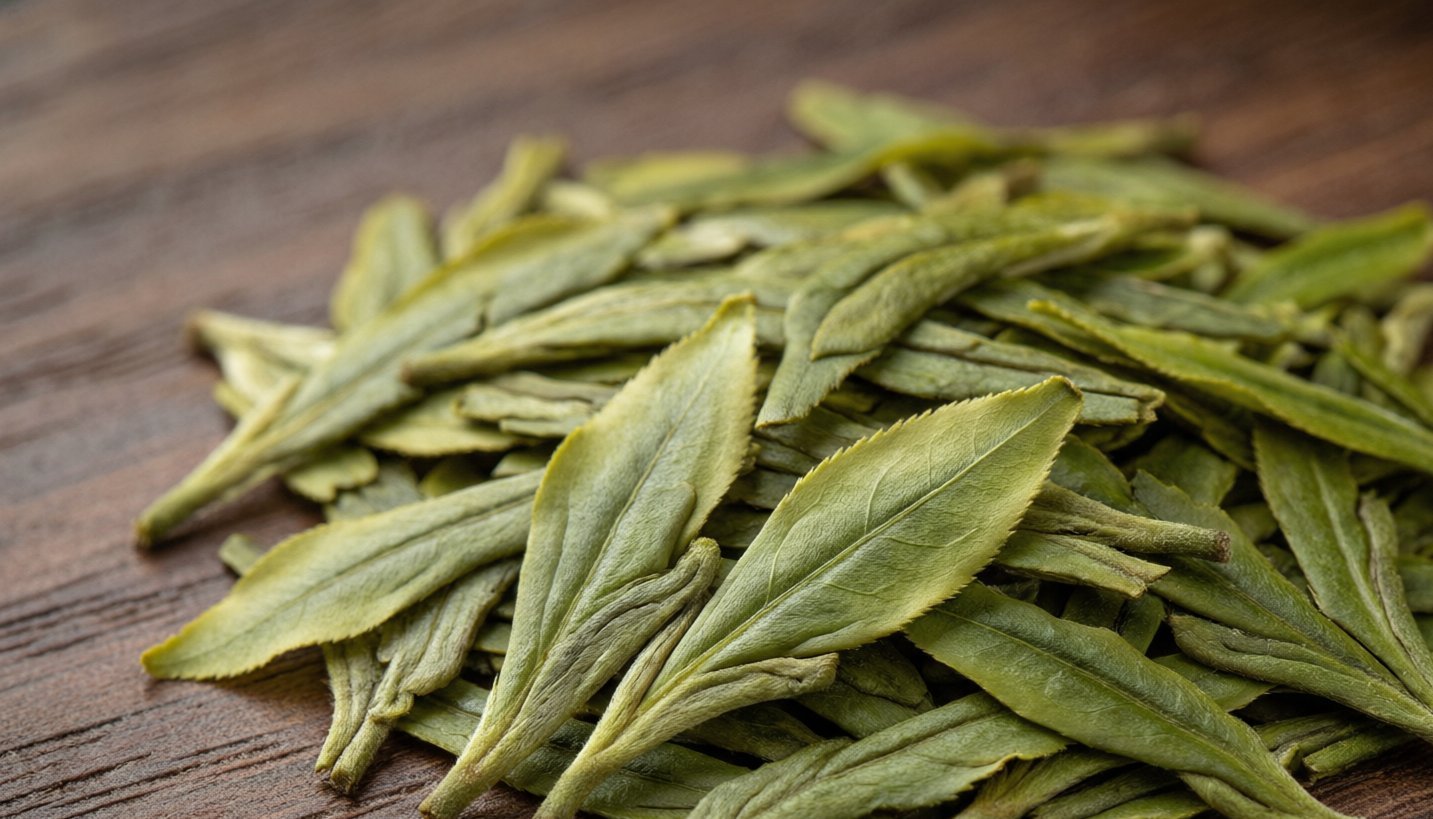
Spring green tea is the most time-sensitive product in a tea business. Unlike pu-erh, white tea or even many oolongs, green tea does not reward patience — it rewards speed. The bright, vegetal, chestnut-sweet cup you bought in April starts changing the moment the leaves are fired and packed. The practical question for buyers, retailers and importers is not whether green tea “goes bad,” but how fast quality slides and which storage habits stop the slide.
The honest answer: in sealed, cool, dry storage, spring green tea remains safe and saleable for roughly 12 to 18 months from production, but its peak drinking window is far shorter — about 6 to 12 months from production for unopened packages, and 1 to 3 months after opening at room temperature before the top notes noticeably fade. This guide breaks down those windows and the storage rules that actually work.
How Long Does Spring Green Tea Keep? Safety vs. Quality
“Keep” means two different things: food safety and cup quality.
On safety, properly dried green tea is a low-moisture product. The baseline for protecting it is a dry, clean, cool, dark and odor-free storage environment, as set out in China’s national tea storage standard [1]. When moisture content is controlled within the limits set for green tea [2], dry leaf does not become hazardous simply by aging. The real risk is environmental: if the tea absorbs moisture, mold can develop, and moldy tea should never be sold or brewed.
On quality, the numbers are stricter.
| Condition | Expected quality window |
|---|---|
| Factory-sealed, nitrogen-flushed, cool dark storage | 12–18 months from production |
| Factory-sealed, room temperature (≤25°C) | 6–12 months from production |
| Opened, resealed, room temperature | 1–3 months before aroma fades |
| Opened, resealed, refrigerated (0–5°C) | 6 months or more |
Producers set the formal shelf-life date printed on prepacked tea, as required by food labeling rules [3]. In practice, most Chinese green tea carries a 12- or 18-month shelf life. That date is a safety and compliance figure, not a freshness promise. A spring tea at month 16 is rarely dangerous — it is usually just flat, yellowed and disappointing.
For wholesale buyers, the operational rule is simpler: treat spring green tea as a single-season product and turn the inventory within the season you bought it.
Why Spring Green Tea Loses Its Spark
Green tea is unoxidized by design. Processing preserves the leaf’s green character by rapidly inactivating enzymes through heat — pan-firing or steaming — which locks in color and fresh flavor [2]. That locked-in freshness is fragile.
Four physical and chemical processes drive the decline:
- Chlorophyll breakdown. The vivid green fades to yellow-brown as the leaf’s pigments degrade under light and heat.
- Oxidation of catechins and vitamin C. The brisk, sweet, almost brothy texture softens into flatness.
- Aroma loss. The volatile compounds behind the fresh floral, chestnut and vegetal notes evaporate or degrade, leaving a hay-like or papery smell.
- Moisture and lipid changes. Tea is hygroscopic; it pulls in ambient humidity, and the small amount of lipids in the leaf can oxidize into stale, oily off-notes.
Every storage rule below exists to slow exactly one of these processes.
Storage Rules That Work
These rules apply from the receiving dock to the retail shelf and the brewing counter.
1. Buy small, rotate fast. Green tea is not an aging asset. Buy spring lots sized to your real seasonal demand, label every batch with its harvest date, and use strict FIFO rotation. The single biggest freshness killer in tea businesses is slow-moving green tea inventory.
2. Keep it airtight. Oxygen is the primary driver of oxidation. After opening a bulk bag, squeeze out air and reseal it, or transfer the working portion to an airtight tin or foil-lined pouch. Vacuum sealing or nitrogen flushing is standard for long-term wholesale storage.
3. Keep it dark. Light, especially sunlight and fluorescent store lighting, degrades chlorophyll and accelerates color loss. Opaque packaging or dark storage is mandatory for display stock.
4. Keep it cool and dry. For short-term working stock, keep the store below 25°C (77°F) and below 60% relative humidity. For long-term holding, cold storage at 0–5°C (32–41°F) is the professional standard. These conditions follow the general tea storage requirements for a dry, cool, clean and odor-free environment [1].
5. Isolate it from strong odors. Dry tea absorbs surrounding smells quickly. Never store green tea near coffee, spices, herbs, cleaning products or shipping materials that off-gas. A dedicated, odor-free tea store is the baseline [1].
6. Divide into small portions. Open only what you or your customer will use within a few weeks. Keep the rest sealed and undisturbed. Every opening introduces fresh oxygen and humidity.
7. Manage condensation carefully. This is the refrigeration rule, and it deserves its own section.
Refrigeration and Spoilage: Two Checks Every Buyer Should Run
Cold storage is the professional answer for high-grade spring green tea. At 0–5°C in sealed, light-proof packaging, oxidation and aroma loss slow dramatically, and premium lots can hold their fresh character considerably longer than room-temperature stock.
The catch is condensation. When a cold package comes into warm, humid air, moisture condenses on the surface — and worse, if the package is opened while cold, moisture condenses directly on the leaf. A single condensation event can do more damage than weeks of ordinary storage.
The working protocol:
- Store cold only in sealed, moisture-proof packaging.
- Before opening, let the sealed package reach room temperature fully — usually 30 to 60 minutes.
- Do not open and re-chill the same package repeatedly. Portion first, then chill.
- Freezing is generally avoided for leaf tea; the moisture migration risk usually outweighs the benefit at typical commercial volumes.
Separate quality loss from true spoilage. They need different decisions.
Quality loss (still safe, past prime): dry leaves look dull yellow-green instead of bright; aroma is flat, hay-like or papery; the brewed liquor is darker yellow than expected and the taste lacks the fresh sweetness and slight umami. This stock is a quality problem and should be discounted, blended into iced or lower-margin programs, or discontinued — not sold as premium spring tea.
Spoilage (do not sell or brew): visible mold or fuzz, musty or sour smell, clumping or visible dampness, or an off, sour taste in the cup. If moisture breach and mold are suspected, discard the batch and inspect the surrounding stock.
A quick field check at receiving: open the bag and smell first, then check leaf color and brittleness. Fresh spring green tea should smell immediately green and sweet, and the leaf should feel dry and crisp.
Storage-first buying: If you are ordering spring green tea this season, ask for harvest-dated lots and a storage plan before you pay. For batch-level guidance on moisture targets, nitrogen-flushed packaging and FIFO rotation, email 427728483@qq.com with your volume and market — we respond with lot-specific recommendations.
The Wholesale Shelf-Life Playbook
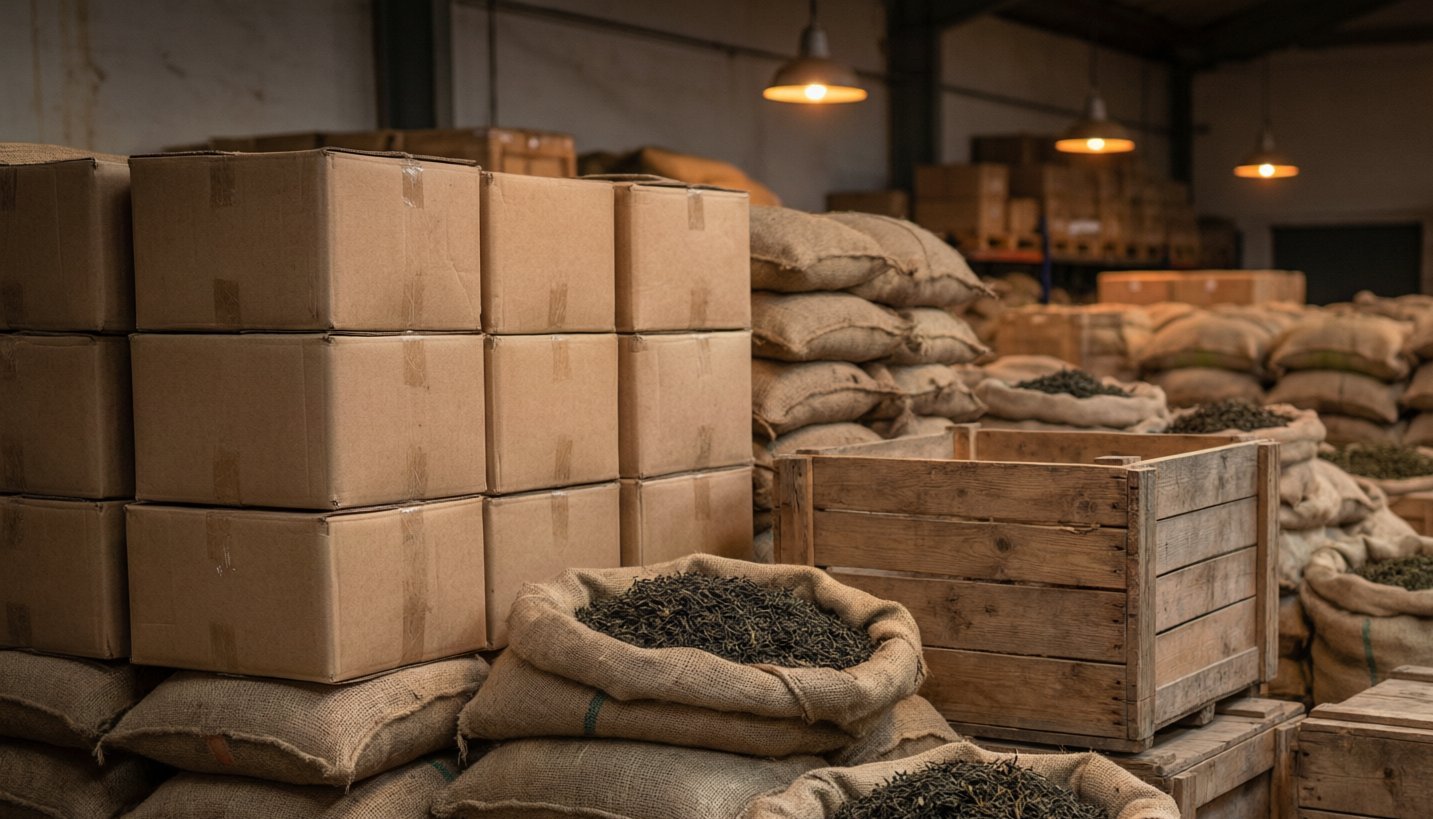
Green tea shelf life is largely decided in the first 72 hours after production and the first month in your warehouse.
At receiving, record the harvest date and production date, not just the arrival date. A lot produced in April and shipped in September is already five months into its best window. Validate moisture and aroma before accepting the shipment.
In the warehouse, apply the same rules at scale: cool, dry, dark, odor-free storage [1], FIFO by production date, and portioned packaging that lets you open one sub-lot at a time. For premium spring picks, cold storage or nitrogen-flushed packaging is worth the cost because it protects the margin you paid for at origin. Spring lots we ship for wholesale are harvest-dated and nitrogen-flushed, which is the same standard a storage-first buyer should expect from any supplier they work with.
On the retail shelf, align your own “best before” label with the producer’s shelf-life date [3], but train staff and customers to judge freshness by harvest date and aroma, not only by the printed date.
Need Spring Green Tea That Arrives Fresh?
If you are buying spring green tea for a retail shelf, café program or distribution network, the storage conversation should begin before the container ships — with harvest dating, moisture control, nitrogen-flushed bulk packaging and a warehouse plan that protects the leaf after arrival.
Contact us at 427728483@qq.com with your required grades, target volume and market. We can share current spring lot details, moisture reports, packaging options and a storage-first shipping plan for your order. This keeps your green tea program on the right side of the freshness window from origin to cup.
FAQ
Can I refrigerate spring green tea after opening?
Yes, but only if you follow the condensation rule. Portion the tea into a small, sealed, opaque container, refrigerate the unopened portion, and let the container come fully to room temperature before opening. Frequent open-and-rechill cycles do more harm than good.
How long does opened green tea last at room temperature?
For the best aroma, one to three months if the package is tightly resealed, kept dark and cool, and stored away from odors. The tea stays safe longer, but the fresh top notes will decline.
Does vacuum-sealed or nitrogen-flushed green tea last longer?
Yes. Removing oxygen slows oxidation and extends the quality window meaningfully. Factory-sealed, nitrogen-flushed packages are the most stable format for long-term wholesale holding.
Can I freeze green tea?
Most tea professionals avoid freezing leaf tea. Ice-crystal formation and moisture migration can damage the leaf, and the condensation risk when thawing is high. Cold storage just above freezing is the safer professional choice.
How do I know if my stock is too old to sell as fresh spring tea?
Check the harvest date and the aroma before the packaging. If the leaves have yellowed, the aroma is flat or hay-like, and the brew lacks freshness, it is past its best spring-selling window. Discount, blend or repurpose it — but do not market it as fresh spring tea.
Should importers buy spring green tea all at once?
Rarely. Buying one large lot locks in a single harvest date and puts the entire program on the same aging clock. Where possible, split the order into two or three dated lots across the season and use FIFO so older stock moves first.
References
[1] Standardization Administration of China, Tea storage (茶叶贮存), GB/T 30375-2013, 2013.
[2] Standardization Administration of China, Green tea — Part 1: Basic requirements (绿茶 第1部分:基本要求), GB/T 14456.1-2017, 2017.
[3] National Health Commission of the People’s Republic of China, National Food Safety Standard — General Standard for the Labeling of Prepackaged Foods, GB 7718-2011, 2011.