Baishaxi is technically one brand, not a shelf full of competing labels. But in wholesale sourcing, buyers treat Baishaxi product lines as distinct brands because each has a different production path, format, price band, and audience. That is how this ranking works: instead of comparing factories, we compare the Baishaxi dark tea series that buyers actually stock, gift, age, and reorder.
The ranking below is built around four practical questions: How consistent is the lot? How strong is repeat demand? How forgiving is storage? How useful is the format for retail, gifting, or long-term holding? If you are importing for cafes, tea shops, or private-label projects, the best Baishaxi line is rarely the most famous one; it is usually the one that fits your channel.
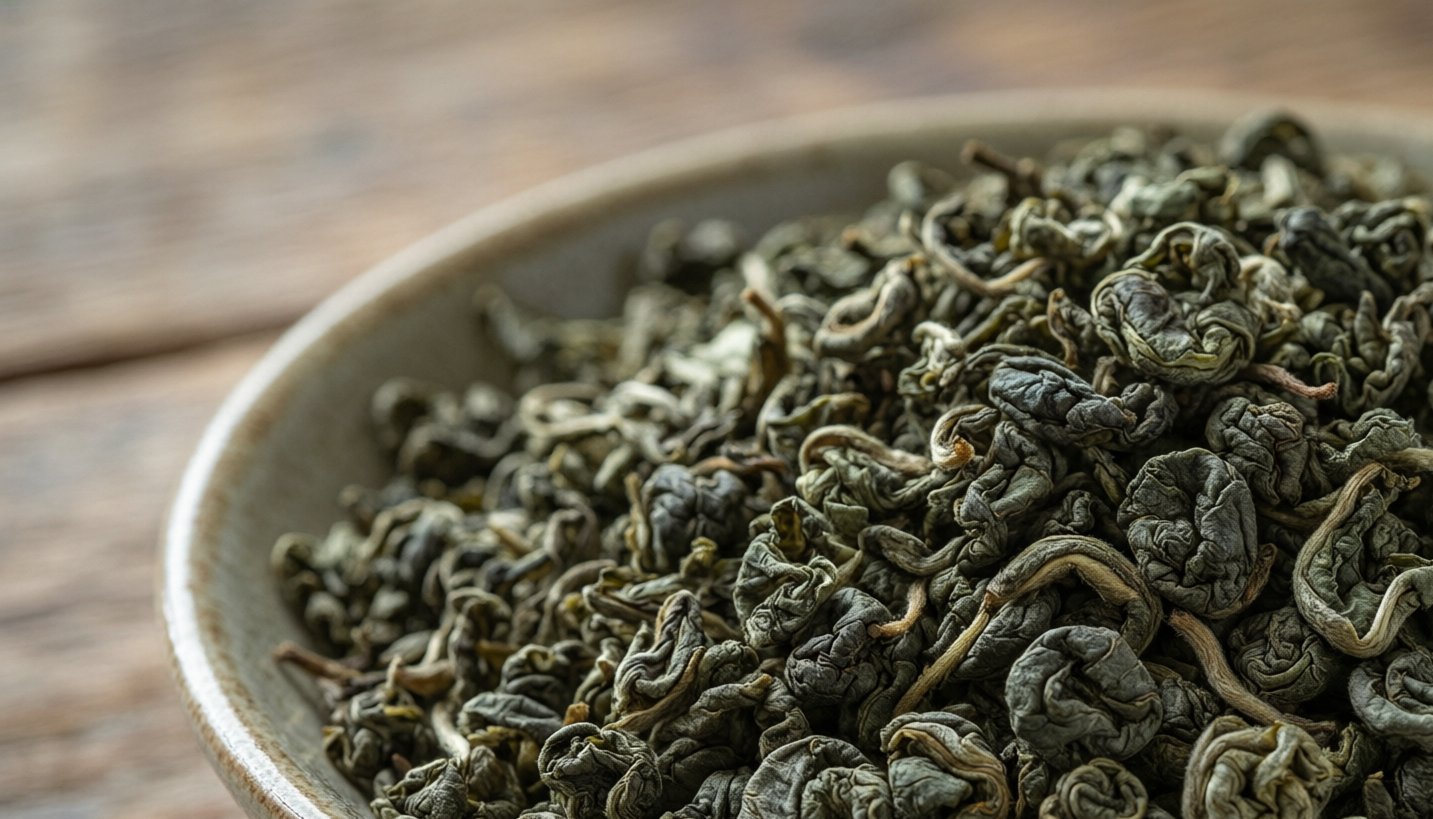
What Baishaxi Dark Tea Actually Is
Baishaxi dark tea is Anhua dark tea, produced in Anhua County, Hunan. It is not Yunnan pu-erh, even though both are post-fermented. The difference matters because Anhua dark tea often uses a different pressing tradition, different leaf material, and a distinctive pile-fermentation stage before steaming and pressing into bricks, slabs, or column shapes.
The two formats that dominate wholesale are Fu Zhuan and Hei Zhuan. Fu Zhuan is famous for its controlled fermentation bloom, often called “golden flowers,” which develops from the microorganism Eurotium cristatum under managed temperature and humidity [2]. Hei Zhuan is a denser traditional brick with a slower, quieter aging curve. Both fall under China’s compressed dark tea standards [1][2].
The practical point for buyers is this: when someone asks for Baishaxi dark tea, they usually mean one of these pressed formats, not loose specialty tea. Baishaxi also makes Tianjian and other Anhua styles, but the pressed lines are the ones with the strongest brand recognition outside Hunan.
How to Judge Baishaxi Dark Tea Quality in 30 Seconds
You do not need a full cupping session to reject a bad lot. Start with the wrapper, then the brick face, then the liquor.
For Fu Zhuan, the first check is the golden flower distribution. You want small, bright, evenly spread golden-yellow colonies visible inside the brick, not only on the surface. Dull gray, green, or black patches are rejection signs, not “extra fermentation.” Clean golden flowers should smell warm and fungal-sweet, never sour or rancid [2].
For Hei Zhuan and other pressed bricks, look for a clean break surface, a uniform leaf grade, and no white mold bloom. The brick should be dense enough to hold its shape but not so hard that the leaf has become brittle. The liquor should run amber to reddish-brown and stay clear after the first rinse [3].
Taste the second or third infusion, not the first. A good Baishaxi lot will soften early and reveal a sweet, earthy, slightly woody body without a sharp smoke edge. If the lot stays sour, dry, or papery after three infusions, pass on it regardless of the label.
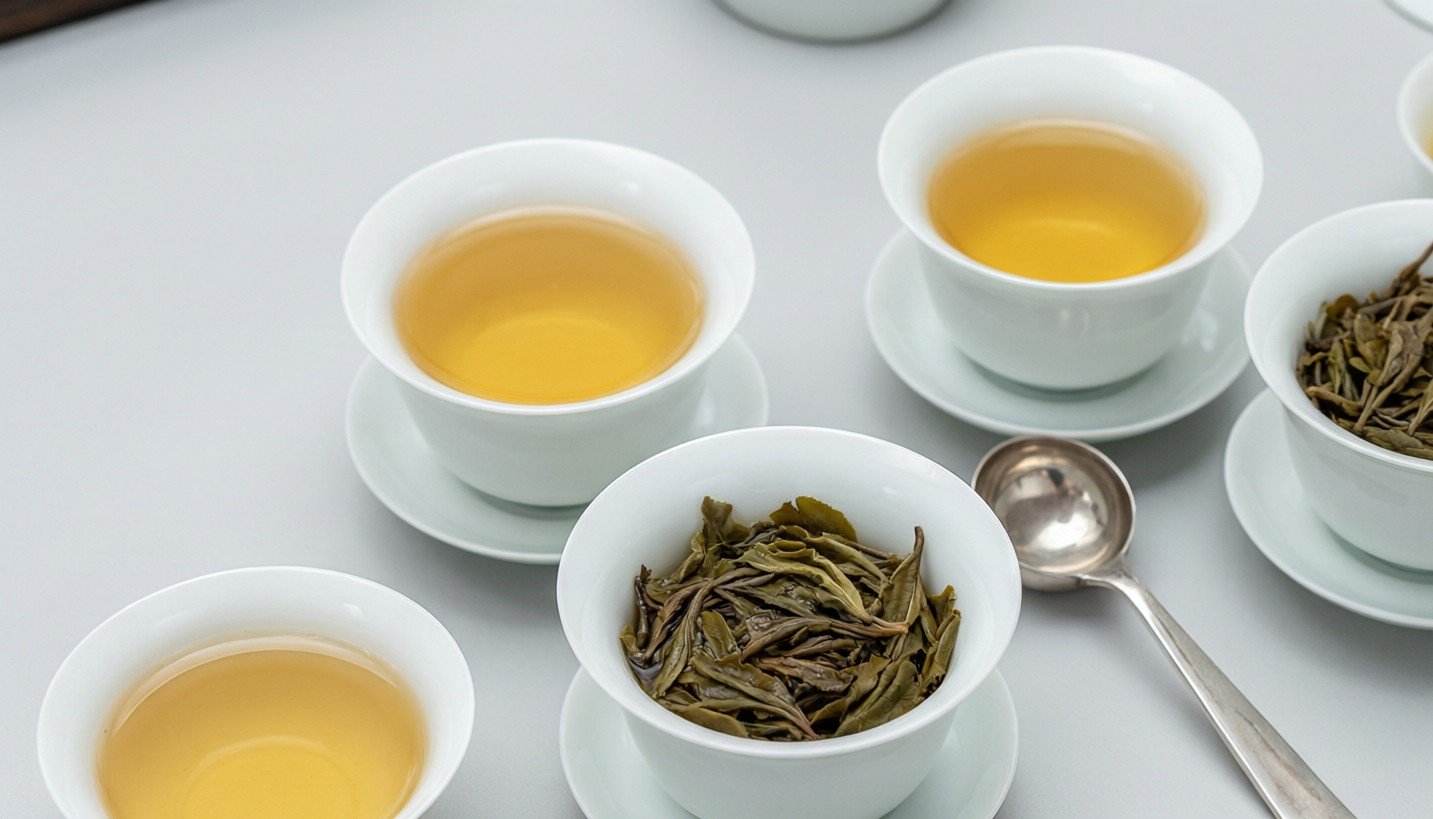
Top Baishaxi Dark Tea Products Ranked
This table ranks by wholesale utility, not by prestige. “Rank 1” means the easiest line to stock, sample, and reorder across a typical Western tea retail or gifting channel.
| Rank | Product Line | Format | Best For | Buyer Notes |
|---|---|---|---|---|
| 1 | Fu Zhuan | Pressed brick, commonly 400 g–800 g and aged versions | Everyday drinking, functional tea buyers, repeat retail | Golden flowers are a strong visual selling point; demand is consistent |
| 2 | Hei Zhuan | Dense traditional dark brick | Long-term storage, classic Anhua profile | Slower aging, but reliable for buyers who want a traditional benchmark |
| 3 | Tianjian | Loose leaf | Premium daily drinking, clean and approachable flavor | Higher leaf grade; easier for cafes to brew quickly |
| 4 | Qianliang Tea | Large column, roughly 36 kg whole or cut pieces | Display, ceremony, heritage gifting, collection | High perceived value, but whole columns are difficult to store and display |
| 5 | Bai Liang Tea | Smaller column, roughly 3.6 kg | Flexible retail portions, entry-level gifting | Easier to sample and sell than a full Qianliang column |
| 6 | Specialty Year Bricks | Anniversary or commemorative pressed bricks | Gift sets, corporate orders, collector niches | Buy only with clear vintage and storage history |
Fu Zhuan takes the top spot for wholesale because the golden flower story gives retailers an instant explanation for the price, and the smaller brick formats make sampling affordable. Hei Zhuan is the quiet workhorse: less visually dramatic, but often the better long-term holder.
Price Ranges and What Makes Them Move
Baishaxi pricing does not move like a commodity line. The same factory can produce a budget-friendly daily brick and a collectible aged column in the same season, and the gap between them is driven by four factors: leaf grade, age, pressing format, and storage condition.
Leaf grade matters before age. Higher-grade batches from early spring material tend to be cleaner and softer, but they are not automatically better for aging. Many experienced buyers prefer slightly coarser, well-fermented material for long holding because it evolves more predictably in storage.
Age is the most visible price driver, but it is also the easiest thing to misdescribe. A five-year brick with wet-storage problems can be worth less than a clean two-year brick. Buyers should ask for production date, storage region, and photos of the brick face before comparing prices. Never buy age alone.
Format also changes cost because pressing, drying, and packaging differ. Whole Qianliang columns carry handling and freight costs that do not apply to a 400 g Fu Zhuan brick. When comparing quotes, compare landed cost per usable kilogram, not the headline price per piece.
If you are sourcing at scale, the honest approach is to compare two or three specific SKUs with the same vintage and format. That gives you a real basis for negotiation and avoids the trap of comparing a budget brick with a premium loose-leaf lot.
Not sure which format fits your market? Send your target channel, volume, and preferred storage age to 427728483@qq.com, and we will shortlist two or three Baishaxi SKUs before you commit to samples.
Storage and Shelf-Life Rules That Keep Value
Baishaxi dark tea is built for aging, but it is not indestructible. The biggest risks are moisture, odor, and unstable temperature. Store pressed dark tea in a clean, dry, odor-free space away from direct sunlight. Avoid kitchens, spice shelving, and sealed plastic bags that trap humidity.
Breathable wrappers are better than airtight packaging for long holding. The tea should be able to exchange air slowly without absorbing moisture from the room. If you are storing whole columns or large bricks, keep them off the floor, away from walls, and separated from other strongly scented goods.
Inspection matters as much as storage. Check stored stock every few months for white mold, soft brick edges, or a sour smell. A dry, dusty bloom can sometimes be brushed and saved, but wet mold that has penetrated the brick is almost impossible to correct. For wholesale, this is the difference between a manageable lot and a write-off.
Dark tea generally becomes smoother with age, but the curve is not automatic. Good raw material and stable storage create the value; poor storage destroys it. Buyers who treat storage as part of the product will almost always end up with a more sellable lot than buyers who treat age as the only signal.
Get a Baishaxi Sourcing Shortlist
Baishaxi dark tea is a strong anchor line for tea shops, specialty grocers, and gifting programs, but only when you buy the right format and the right vintage for your channel. We source directly through Chinese tea supplier networks and can prepare current lot options, storage details, and wholesale quotes.
Tell us your market, order volume, and whether you want daily drinking stock, gifting stock, or ageable stock. Contact us at 427728483@qq.com with those three details, and we will send a shortlist with current availability, lot years, and wholesale terms.
FAQ
Is Baishaxi dark tea the same as pu-erh?
No. Both are post-fermented teas, but Baishaxi comes from Anhua County in Hunan and follows Hunan compressed dark tea production methods. Pu-erh comes from Yunnan and uses different pressing traditions, leaf material, and storage conventions.
Does Baishaxi Fu Zhuan tea contain real golden flowers?
Yes. The golden flowers in properly produced Fu Zhuan are Eurotium cristatum, a distinctive fungal species that develops during controlled fermentation. They should appear as small, bright yellow-gold colonies inside the brick, not as gray or green mold.
How long can Baishaxi dark tea be stored?
Properly stored Baishaxi dark tea can improve for years or even decades. The practical requirement is stable, cool, dry, odor-free storage with some air exchange. If humidity control fails, the tea can develop mold and lose value quickly.
Can I order Baishaxi dark tea directly from the factory?
Large buyers commonly source through specialized Chinese tea suppliers or agents who handle lot inspection, storage verification, export documentation, and freight. This is often more reliable than trying to manage factory communication and sampling without local support.
References
[1] Standardization Administration of China. GB/T 9833.2-2013, Compressed dark tea — Part 2: Hei Zhuan tea.
[2] Standardization Administration of China. GB/T 9833.3-2013, Compressed dark tea — Part 3: Fu Zhuan tea.
[3] Gascoyne, K., Marchand, F., Desharnais, J., & Américi, H. Tea: History, Terroirs, Varieties. Firefly Books, 2014.