Da Hong Pao is often marketed as a health tea first and a luxury oolong second. You will see it described as an antioxidant powerhouse, a metabolism booster, a stress reliever, and even a detox cleanser. Some of that has a real basis in tea chemistry. Much of it is borrowed from green tea research, laboratory studies, or traditional language that does not translate into a specific clinical effect from drinking this particular rock tea.
This guide separates the better-supported findings from the marketing.
What Da Hong Pao Actually Is
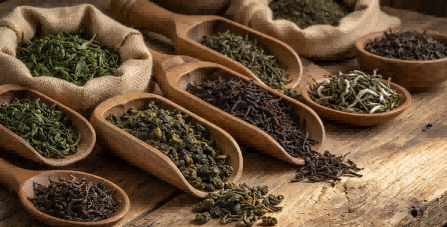
Da Hong Pao is a heavily roasted, partially oxidized oolong from the Wuyi Mountains in Fujian, China. It belongs to the yancha, or rock tea, family, named partly for the mineral-rich, rocky soil in which the tea bushes grow.
That processing matters for health claims. Because the leaves are partially oxidized and then roasted, Da Hong Pao does not have the same polyphenol profile as green tea. It retains some catechins while also developing theaflavins, theasinensins, and other compounds formed during oxidation and roasting [1]. In other words, it is not simply “green tea with more flavor.” It is a different chemical product, and its health effects should be judged on that basis.
Most commercially available Da Hong Pao is not picked from the original mother trees. It is produced from cultivated Wuyi cultivars and blended in different grades. That does not make it fake, but it does mean that “Da Hong Pao” on a label can vary widely in leaf quality, roast level, and final chemistry.
The Real Evidence Base
There are almost no large, long-term human clinical trials specifically on Da Hong Pao rock tea. Most claims come from four sources: tea chemistry, observational studies of habitual tea drinkers, small oolong tea trials, and laboratory or animal research [1][2].
That is not unusual for traditional teas, but it creates a predictable problem. Writers take a green tea result, apply it to oolong, and then write “Da Hong Pao” in the headline. The result looks credible, but the specific evidence is thinner than it appears.
The table below summarizes the honest state of the evidence.
| Health claim | Evidence strength | Honest take |
|---|---|---|
| Antioxidant activity | Strong in laboratory models; indirect in humans | Da Hong Pao contains polyphenols, but “antioxidant” does not automatically mean a measurable health benefit in the body [1][3]. |
| Heart and metabolic support | Moderate observational support | Habitual unsweetened tea intake is associated with better cardiometabolic markers, but Da Hong Pao-specific data are limited [2][3]. |
| Calm focus and alertness | Moderate clinical support for tea components | L-theanine and caffeine can improve attention and reduce stress-related activation, but this depends on dose and caffeine tolerance [4]. |
| Weight loss | Mixed and modest | Some oolong studies show small short-term changes in energy expenditure or fat oxidation; no evidence supports dramatic fat loss from tea alone [2][3]. |
| Detoxification or cleansing | No reliable evidence | The body already has detoxification systems. Tea can support hydration, but it does not “detox” the liver or blood [3]. |
| Cancer prevention or cure | Not established from dietary tea | Laboratory studies show anti-cancer activity for tea polyphenols, but human evidence is inconsistent and does not justify treatment claims [1][2]. |
Benefits with the Strongest Support
Polyphenol intake without heavy processing
Da Hong Pao provides a concentrated source of tea polyphenols, including catechins, theaflavins, and theasinensins. These compounds are consistently studied for their anti-inflammatory and antioxidant roles in cell and animal models [1][3]. What remains less certain is how much of that activity persists after digestion and whether it produces a clear clinical benefit in regular tea drinkers.
The fair conclusion is that Da Hong Pao can be part of a polyphenol-rich diet, alongside vegetables, fruit, coffee, and other teas. It is not a supplement-level intervention.
Cardiometabolic support
The strongest human evidence for tea in general comes from observational research on habitual tea drinkers. Regular consumption of unsweetened tea has been associated with lower risk markers for cardiovascular disease and type 2 diabetes [2][3]. Small oolong-specific studies also suggest modest effects on lipid metabolism and post-meal fat oxidation [2].
For Da Hong Pao specifically, the same logic applies: unsweetened brewed tea is a low-calorie replacement for sugary drinks, and its polyphenols may contribute to metabolic health. The size of that effect, however, should not be overstated.
Calm alertness
Of all the functional claims, this one is the most directly supported by clinical research on tea components. L-theanine, an amino acid present in tea, appears to moderate the stimulant effect of caffeine, producing a state that many people describe as calm focus rather than jittery energy [4].
Da Hong Pao contains both compounds, though the exact ratio varies by cultivar, harvest, and brew method. The effect is real but modest, and people with high caffeine sensitivity may still experience the usual drawbacks.
Where Hype Outruns the Evidence
“Metabolism-boosting fat burner”
Some oolong studies show a small, short-term increase in energy expenditure, usually within a normal daily variation. That is not the same as meaningful fat loss. No amount of Da Hong Pao can compensate for a poor overall diet, and products that package it as a fat-burning supplement are stretching the data [2][3].
“Detox cleanse”
The word detox has no accepted scientific meaning in this context. Tea does not remove toxins that the liver and kidneys would otherwise retain. Drinking Da Hong Pao may be hydrating and enjoyable, but it is not a cleansing protocol [3].
“Cures or prevents cancer”
Tea polyphenols have shown anti-cancer activity in cell and animal studies, but human evidence is inconsistent. The gap between a laboratory dose of a purified compound and drinking brewed tea is large [1][2]. Da Hong Pao should never be promoted as a cancer treatment.
“Completely caffeine-free” or “safe at any dose”
Da Hong Pao contains caffeine. Most people tolerate brewed tea well, but high-dose tea extracts, particularly concentrated green tea catechins, have been linked to rare liver injury in some individuals [5]. The risk is much lower with brewed tea, but “natural” does not mean risk-free.
One final caution is often missing from tea marketing: repeatedly drinking very hot beverages above 65°C has been classified by the International Agency for Research on Cancer as probably carcinogenic, independent of the tea itself [6]. Let the cup cool before drinking.
How to Brew Da Hong Pao for Enjoyment and Consistency
Brew method changes what ends up in the cup, which is why the same tea can be smooth and sweet or bitter and harsh.
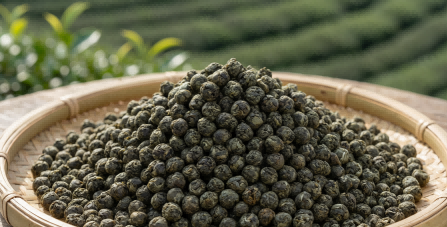
Use water just off the boil, and if you are brewing gongfu style, use more leaf and shorter steeps than you would for a Western teapot. A common starting point is about 5 grams of leaf in a 100 ml gaiwan, with a quick rinse followed by steeps of roughly 10 to 20 seconds. Adjust by taste: longer steeps extract more caffeine and tannins and can make the tea astringent.
Drinking Da Hong Pao unsweetened preserves its health profile. Adding milk is not a problem, but heavy sweeteners turn a low-calorie beverage into a dessert.
For most adults, two or three cups per day is a reasonable habit. If you are pregnant, sensitive to caffeine, or taking medication, check with a health professional rather than relying on general tea advice.
Sourcing Authentic Da Hong Pao Rock Tea
Health claims only matter if the leaf is genuine. We help importers, tea shops, and wellness brands source Wuyi yancha with documented origin, roast date, and available lab results. For a sample pack, wholesale pricing, or a sourcing plan, email 427728483@qq.com with your target grade and volume, and we will walk you through current lot options and quality documentation.
Frequently Asked Questions About Da Hong Pao Rock Tea and Health
Does Da Hong Pao have more antioxidants than green tea?
Not necessarily. Green tea is usually higher in certain catechins, especially EGCG, because Da Hong Pao is partially oxidized and roasted. Da Hong Pao contains a different mix of polyphenols, including theaflavins and theasinensins. Both can be part of a polyphenol-rich diet, but “more antioxidants” is not a meaningful comparison without measuring the final leaf and brew [1][3].
Can Da Hong Pao help me lose weight?
The evidence is mixed and modest. Some small oolong studies show minor short-term effects on energy expenditure or fat oxidation, but tea alone is unlikely to produce meaningful weight loss. It is best understood as a low-calorie replacement for sugary beverages, not a fat burner [2][3].
How much caffeine is in Da Hong Pao rock tea?
Caffeine varies by cultivar, leaf grade, roast, leaf-to-water ratio, and steep time. Gongfu brewing with more leaf can produce a stronger cup than a quick Western brew. If you are caffeine sensitive, brew shorter, use less leaf, and avoid drinking it late in the day.
Is Da Hong Pao safe to drink every day?
For most adults, brewed Da Hong Pao is safe as part of a normal diet. The main cautions are caffeine sensitivity, excessive intake of concentrated tea extracts, and drinking it scalding hot. Avoid tea-based supplement capsules unless a health professional has reviewed the dose [5][6].
Does Da Hong Pao detox the body?
No. There is no reliable evidence that any tea detoxes the body in the way detox products claim. Your liver and kidneys perform detoxification functions. Tea can support hydration and provide polyphenols, but it does not cleanse the blood, liver, or colon [3].
References
[1] Khan N, Mukhtar H. Tea and health: studies in humans. Current Pharmaceutical Design. 2013;19(34):6141-6147.
[2] Yang CS, Wang H, Sheridan ZP. Studies on prevention of obesity, metabolic syndrome, diabetes, cardiovascular diseases and cancer by tea. Journal of Food and Drug Analysis. 2018;26(1):1-13.
[3] Hayat K, Iqbal H, Malik U, et al. Tea and its consumption: benefits and risks. Critical Reviews in Food Science and Nutrition. 2015;55(7):939-954.
[4] Bryan J. Psychological effects of dietary components of tea: caffeine and L-theanine. Nutrition Reviews. 2008;66(2):82-90.
[5] EFSA Panel on Dietetic Products, Nutrition and Allergies. Scientific opinion on the safety of green tea catechins. EFSA Journal. 2018;16(4):5239.
[6] International Agency for Research on Cancer. IARC Monographs Volume 116: Drinking Coffee, Mate, and Very Hot Beverages. Lyon: IARC; 2018.