Ancient tree black tea is not the same as ordinary black tea. The leaves come from mature Yunnan tea trees with deeper root systems and slower growth, which builds a black tea that can taste malty, honeyed, woody, and softly sweet. Those flavors are fragile after processing, not because the tea is weak, but because the compounds that create them—volatile aromatics, polyphenols, theaflavins, and lipids—react to moisture, oxygen, heat, and light.
A storage mistake rarely ruins tea overnight. It works slowly: top notes fade, the liquor thins, a faint cardboard or musty edge appears, and the tea no longer tastes like the sample the buyer approved. Tea storage guidance consistently points to four hazards: moisture, oxygen, heat, and light [1]. Control those four factors first, and most flavor loss stops before it starts.
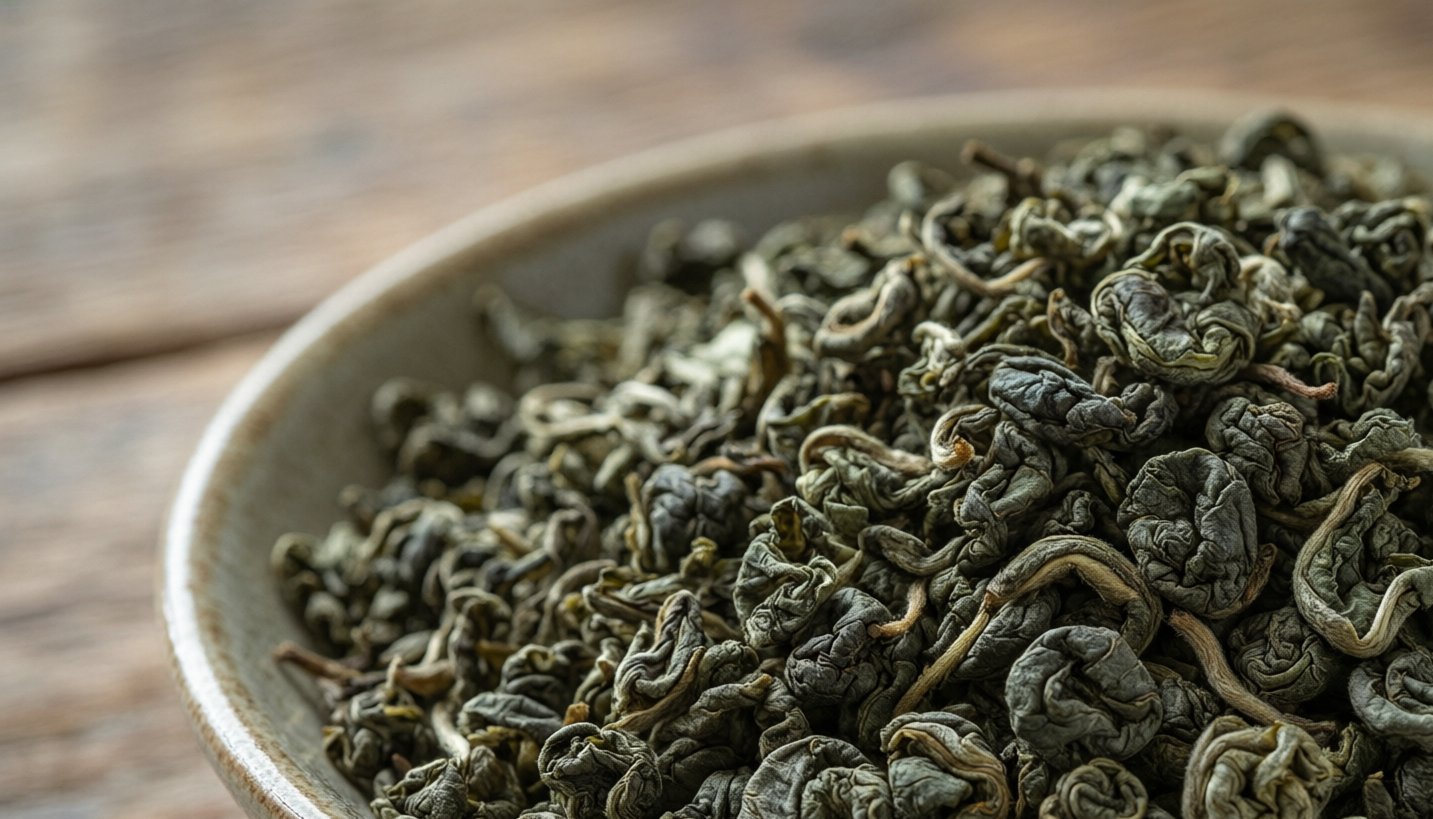
Why Ancient Tree Black Tea Needs More Than a Shelf
Ancient tree black tea is fully oxidized, which makes it more forgiving than green tea. It can hold well when the environment is stable, and some lots soften and round out over the first year or two. But “forgiving” does not mean indestructible. Once the leaves leave the controlled conditions of a producer or supplier, a hot kitchen cabinet or damp warehouse can quietly strip away the exact aromatics that justified the premium price.
The goal of storage is not to make tea immortal. It is to slow the reactions that degrade aroma, texture, and color. That means keeping the tea dry, sealed, cool, and dark—and avoiding the common mistakes below.
Six Storage Mistakes That Kill Ancient Tree Black Tea Flavor
1. Leaving the Tea in a Thin Retail Pouch
Many ancient tree black teas are packed in lightweight pouches designed for short-term retail display, not long-term storage. Once opened, the seal is seldom airtight, and the material offers limited protection against humidity. Oxygen enters, reacts with residual oils and aroma compounds, and the tea begins to flatten.
Transfer the tea into a food-grade, opaque, airtight tin or a heavy multi-layer pouch with a reliable zip or heat seal. Press out excess air before closing, and keep the leaf well below the moisture limits set for traded black tea [2].
2. Storing It in the Kitchen, Above the Stove, or Near a Window
Heat speeds up the breakdown of black tea aroma compounds. A cabinet near an oven, refrigerator vent, dishwasher, or sunny window can push temperatures far above room level. Tea storage standards recommend a cool, dry, dark environment [1].
Choose a low, interior cabinet away from heat sources and windows. If the room is comfortable and stable for you, it is usually closer to the right range than a hot appliance wall.
3. Treating the Refrigerator as a Safe Default
The refrigerator is one of the most common storage mistakes, especially for buyers who worry about freshness. Unless the tea is sealed inside a completely moisture-proof package and only removed through a careful tempering process, condensation can form on the leaves. Refrigerators also contain strong odors.
For fully oxidized black tea, a stable room-temperature cabinet is generally safer than a household fridge. If cold storage is required in a very hot climate, use vacuum-sealed or desiccant-protected packaging and allow sealed containers to reach room temperature before opening.
4. Clear Glass Jars on Open Shelves
Glass jars look beautiful, but light is a slow flavor killer. Ultraviolet exposure degrades lipids and volatile compounds, producing stale or faintly metallic notes. Transparent containers on open shelving should be avoided unless the storage room is fully dark.
Use ceramic jars, food-grade tins, amber glass, or opaque pouches. If you want to display tea in glass, keep the jar behind a closed cabinet door and never in direct sunlight.
5. Forgetting That Tea Is a Sponge for Odors
Dry tea leaves are hygroscopic and highly odor-absorbent. They pick up coffee, spices, cleaning products, perfume, cardboard, and even the previous contents of a reused container. This is a particular risk in shared warehouses and busy kitchens.
Store ancient tree black tea in odor-neutral areas, do not reuse containers that held strongly scented products without thorough airing and cleaning, and keep tea away from fumigation or fresh paint zones. General food hygiene practice treats cross-contamination as a control point, and the same discipline applies to tea [3].
6. Letting Humidity Creep In
Moisture is the fastest route from “slightly flat” to “unusable.” If leaves absorb moisture, they lose their snap and can develop mold. Poor storage can push well-dried tea back above safe levels.
In damp climates, a sealed container with a food-safe desiccant can help for small quantities. For larger inventories, monitor relative humidity in the storage room and keep tea off concrete floors.
Setting Up Storage That Preserves Flavor
The best storage setup does not need to be expensive. It needs to be consistent.
- Container: Food-grade tin, ceramic with a tight lid, or opaque multi-layer pouch with a reliable seal.
- Location: Cool, dry, dark, odor-neutral, away from heat, light, and moisture.
- Temperature and humidity: Aim for a stable environment without wide swings; avoid basements, attics, and exterior walls.
- Batch handling: Keep different harvest years and supplier lots separate so a bad lot is easier to identify and trace.
- Hygiene: Use clean hands or a dry scoop when handling leaves, and keep moisture away from the container opening.
For importers and distributors, apply the same logic at warehouse scale. Climate-controlled or monitored storage, sealed bulk liners, and periodic moisture checks are standard controls in food safety management systems [4]. A lot that leaves the supplier clean and dry can still deteriorate if it sits in a humid customs warehouse or an uninsulated container.
Packaging, Rotation, and Realistic Shelf Life
Ancient tree black tea is not pu-erh. It does not have the same long-term microbial aging story. Fully oxidized black tea can hold well for two to three years under proper storage, and some lots may soften and round out over the first twelve to eighteen months. After that peak window, the risk is gradual aroma loss, not magical transformation.
Buy with a plan, rotate stock with first-in, first-out discipline, and do not warehouse premium black tea as if it were a 20-year pu-erh. For retail and wholesale buyers, the practical rule is simple: buy quantities you can sell or drink within a realistic window, reseal tightly after every opening, and reorder in smaller, fresher batches rather than holding a large lot in suboptimal conditions.
Source Ancient Tree Black Tea That Arrives Storage-Ready
Storage is only part of the equation. The tea also needs to leave the supplier in the right condition: properly dried, sealed, labeled, and packed for the journey ahead. If you are sourcing ancient tree black tea in bulk or retail formats, ask about moisture level, harvest batch, packaging date, and whether lots were held in a controlled environment before shipment.
For wholesale ancient tree black tea with clear batch documentation and storage-safe packaging, contact Chinese tea suppliers at 427728483@qq.com.
FAQ
Can you store ancient tree black tea in the refrigerator?
For most home and retail storage, no. Household refrigerators introduce condensation and odor risks. A stable, cool, dark, dry cabinet is the better default. If cold storage is required in a hot climate, use fully sealed packaging and temper the container before opening.
Does ancient tree black tea improve with age like pu-erh?
Not in the same way. It can round out slightly within the first year or two, but it is not a long-term aging product. After two to three years, most well-stored ancient tree black tea holds its quality rather than dramatically improving, and poorly stored tea simply declines.
What is the best container for ancient tree black tea?
An opaque, airtight, food-grade tin or a heavy multi-layer pouch with a strong seal works best. Ceramic jars with tight-fitting lids are also good. Avoid clear glass in direct light and thin retail bags that cannot be resealed effectively.
How long does ancient tree black tea keep its flavor?
Under good conditions, expect two to three years of solid flavor, with the most reliable window often in the first 18 to 24 months after processing. After that, the tea may still be drinkable, but top notes fade and the body can thin.
What are the first signs that stored tea has gone off?
A musty, cardboard, sour, or flat smell is the clearest warning. Visual cues include dull color, visible mold, clumping, or softened leaves. If the brewed liquor is dull, thin, or carries an off note that was not present at purchase, check the storage environment immediately.
References
[1] Standardization Administration of China, GB/T 30375-2013, Tea storage, Beijing, China, 2013.
[2] International Organization for Standardization, ISO 3720:2011, Black tea — Definition and basic requirements, Geneva, Switzerland, 2011.
[3] Codex Alimentarius Commission, Recommended International Code of Practice: General Principles of Food Hygiene, CAC/RCP 1-1969, Rev. 2022, Rome, Italy.
[4] International Organization for Standardization, ISO 22000:2018, Food safety management systems — Requirements for any organization in the food chain, Geneva, Switzerland, 2018.