White Peony (Bai Mudan) is often treated as an easygoing white tea, but its flavor is more fragile than it looks. The bud-and-leaf material is only lightly withered and dried, so there is no roast or heavy oxidation to hide clumsy brewing. When the cup tastes flat, bitter, or cooked, the problem is usually not the leaf—it is the extraction. These are the five mistakes we see most often.
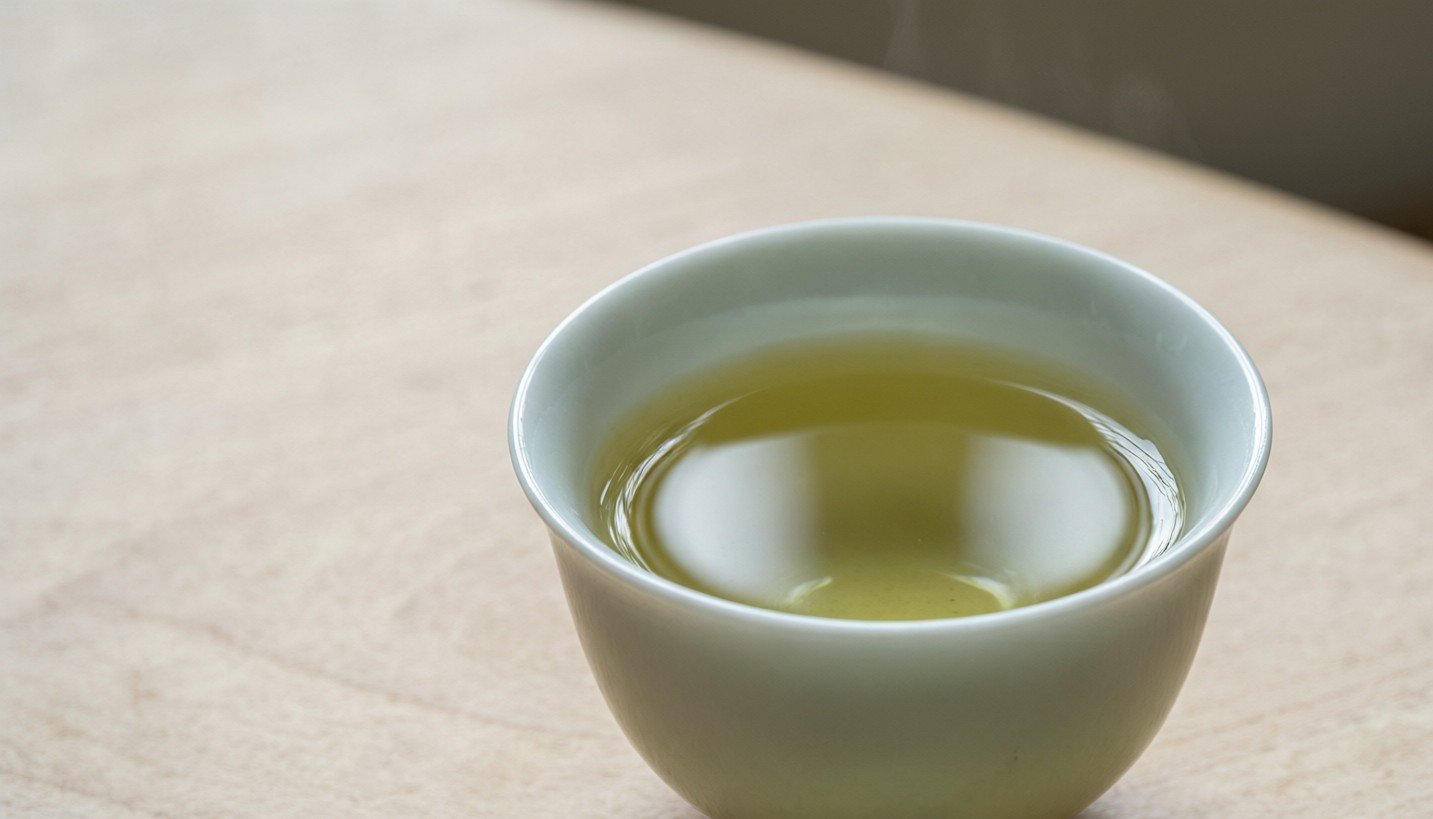
Why White Peony Punishes Aggressive Brewing
Brewed gently, White Peony tastes almost sweet: honey, melon, fresh hay, and a soft floral edge. Raise the heat or extend the steep and those notes collapse into one-note bitterness. The reason is simple extraction chemistry. Hotter water and longer contact pull out more catechins and caffeine, which are astringent and bitter, while the softer amino-acid sweetness gets flattened [1]. White Peony has less oxidation than oolong or black tea, so it offers less buffer against over-extraction.
That means the five dials below matter more than the teapot you use.
Mistake 1: Pouring Boiling Water Onto the Leaves
Boiling water is the fastest way to turn White Peony into a bitter, vegetal cup. The buds and young leaves scald, and the liquor picks up a cooked, stewed note instead of the clean melon-and-hay character you expect.
The fix: Cool the water to 80–85°C (176–185°F). If you do not have a thermometer, bring the kettle to a boil, open the lid, and wait one to two minutes before pouring [1]. This single change fixes more disappointing White Peony cups than any other.
Mistake 2: Steeping Too Long
White Peony is often brewed like black tea: fill the mug, leave the leaves in, and sip slowly. That produces a heavy, dry, bitter cup. White tea does not need a long, aggressive steep because its flavor compounds release quickly.
The fix: Start with two to three minutes for a standard Western-style brew. If you want more intensity, add leaf rather than time. For gongfu brewing, keep the first steeps to 10–20 seconds and add about 5 seconds per re-steep [1]. Watch the liquor color as a guide: pale champagne is usually in the right zone, while dark amber means you have pushed too hard.
Mistake 3: Ignoring Water Quality
Tea is mostly water, but water is often the ingredient brewers check last. Chlorinated tap water masks White Peony’s soft floral notes and can add a sharp, artificial edge. Very hard water can mute sweetness and make the cup taste chalky or flat [2]. Distilled water is not the answer either; without minerals, the tea can taste hollow.
The fix: Use filtered water, spring water, or tap water run through a good carbon filter. If the chlorine smell is strong, let the filtered water sit for a few minutes before heating. The goal is neutral water that lets the leaf speak.
Mistake 4: Guessing the Leaf Ratio
White Peony is bulky and light, so one casual spoonful can mean very different weights from batch to batch. Too much leaf in a short mug brew tastes bitter and muddy; too little leaf tastes like hot water with a faint hint of tea.
The fix: Weigh the leaf until you learn a batch. A reliable Western baseline is 2–3 g per 200 ml (about 8 oz) of water [1]. For gongfu, use 4–5 g per 100–120 ml vessel and keep the steeps short. If a batch tastes harsh at these ratios, reduce the weight by 0.5 g before changing water temperature or time.
Mistake 5: Brewing in a Cold Vessel
A cold gaiwan, mug, or teapot steals heat from the water the moment it touches the surface. With White Peony, that can drop the water into a range that under-extracts the leaves. What should be a sweet, clear first infusion becomes thin and disappointing.
The fix: Preheat the brewing vessel. Pour a small amount of hot water in, swirl, and discard it before adding the leaves. This is standard practice in tea bars, and it matters just as much for delicate white tea as it does for oolong or pu-erh.
A Working Baseline
Use these parameters as a starting point, then adjust them to the specific batch. Plucking date, leaf grade, and storage conditions will move the ideal slightly.
| Style | Water temperature | Leaf | Water | First steep | Re-steeps |
|---|---|---|---|---|---|
| Western mug | 80–85°C (176–185°F) | 2–3 g | 200 ml | 2–3 min | Add 30–60 sec per re-steep |
| Gongfu | 80–85°C (176–185°F) | 4–5 g | 100–120 ml | 10–20 sec | Add 5 sec per re-steep |
If you are evaluating White Peony samples from different suppliers, use one fixed baseline before judging the leaf. That is the only way to separate a brewing mistake from a quality problem.
If you are sourcing White Peony for a tea menu, retail line, or wholesale program, send us the sample code and we can share batch-specific brewing parameters, cupping notes, and leaf grade details. Contact us at 427728483@qq.com.
Why Correct Brewing Reveals Leaf Quality
Once extraction is consistent, quality differences become visible. A proper Bai Mudan should hold its structure across several infusions, with the sweetness moving from melon and honey toward lighter floral notes. If the cup goes bitter at standard parameters, look next at the material: lower-grade leaf, broken particles, poor storage, or old stock can all shorten the pleasant window [3].
For buyers, this is useful. A tea that tastes light at 2.5 g per 200 ml is not necessarily poor—it may simply be a lighter pluck. A tea that turns rough before the third gongfu infusion is more likely a grade or storage issue. Correct brewing turns these differences into information instead of guesses.
Sourcing White Peony for Consistent Results
If you are buying White Peony for a business, ask for enough detail to cup it properly:
- Leaf grade and picking standard, such as true one-bud-two-leaf material or more broken leaf
- Harvest date and producing area
- Storage conditions and age
- A recommended brewing baseline from the supplier
White Peony varies significantly by pluck and origin. A well-stored, properly graded lot is the easiest to brew consistently for staff and customers. For batch-specific parameters and current availability, contact us at 427728483@qq.com.
Frequently Asked Questions
What water temperature is best for White Peony?
Start at 80–85°C (176–185°F). If the cup is too light, increase the temperature slightly before increasing time. If it is bitter, cool the water down.
Can I re-steep White Peony?
Yes. Good White Peony commonly gives four to six or more infusions in gongfu brewing. Western-style mug brewing usually gives two to three pleasant steeps. Keep later steeps slightly longer, not hotter.
Why does my White Peony taste grassy or bitter?
Bitterness is usually an extraction issue, not the leaf. Lower the temperature, shorten the steep, or reduce the leaf ratio. A raw, grassy edge often comes from water that is too cool, a cold vessel, or an under-filled leaf basket.
Does White Peony have caffeine?
White tea contains caffeine, though the amount varies by batch and brewing method. It generally feels softer than black tea, but it is not caffeine-free.
References
[1] M. L. Heiss and R. J. Heiss, The Story of Tea: A Cultural History and Drinking Guide, Berkeley, CA: Ten Speed Press, 2007.
[2] World Health Organization, Guidelines for Drinking-water Quality, 4th ed., Geneva: WHO, 2017.
[3] Standardization Administration of China, GB/T 22292-2008 White Tea, Beijing: Standards Press of China, 2008.