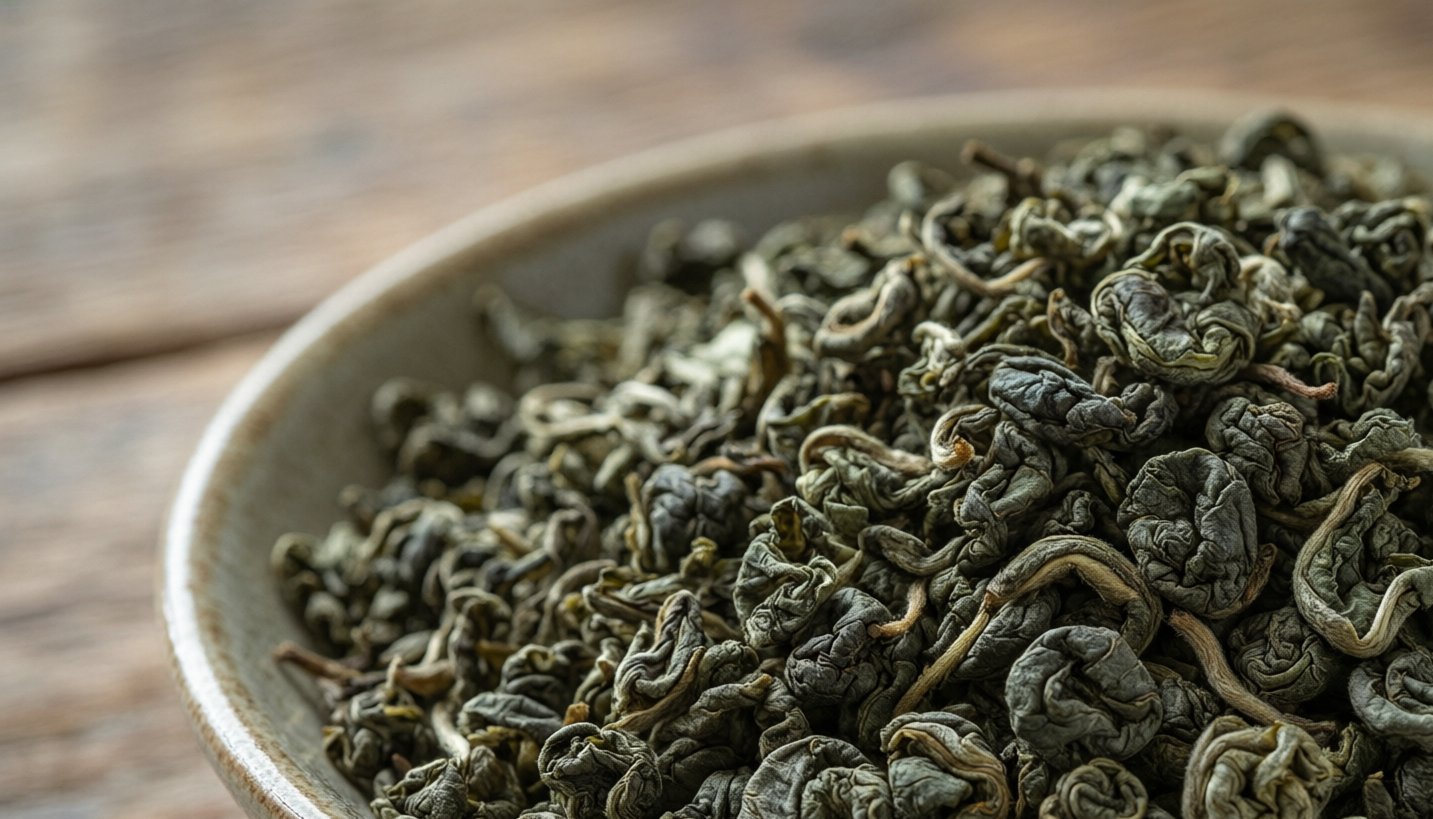
CTC black tea is the workhorse of strong cups: chai, milk tea, breakfast blends, and iced tea all lean on it. The name explains the leaf: the withered leaves are crushed, torn, and curled into small, dense pellets. That structure gives CTC tea fast color, body, and bite, but it also leaves very little room for brewing error [2]. The standard tea-preparation discipline—controlled ratio, measured temperature, and a set time—is exactly what CTC tea rewards most [1].
Why CTC Black Tea Punishes Brewing Mistakes
CTC pellets extract quickly because hot water can reach more leaf surface in a short window. That speed is why CTC tea produces a deep color and full mouthfeel in minutes. It is also why small timing or temperature errors become obvious fast.
Strong black tea does not have to taste bitter. Bitter CTC tea is usually a brewing problem, not a raw-material problem—especially when the leaves are fresh and stored well. If you can control the five mistakes below, you can keep the strength while dropping the harsh edge.
The 5 Mistakes That Ruin CTC Tea
Mistake 1: Pouring Boiling Water Straight from the Kettle
A rolling boil is often 100°C (212°F). For many CTC grades, that is too aggressive. Very hot water pulls out astringent polyphenols before the rounder, sweeter notes have time to develop.
Start cherryly at 90–95°C (194–203°F) for a plain cup. If your first brew tastes metallic or sharply dry, lower the temperature or let the kettle rest for 30–45 seconds after boiling. The exception is a true milk-tea decoction, where tea is simmered with water and spices; that process changes the extraction profile and benefits from close attention rather than a hard rolling boil.
Mistake 2: Measuring CTC Tea by Sight instead of Weight
CTC pellets are small, dense, and uneven. A teaspoon of one grade may weigh considerably more than a teaspoon of another. If you measure by scoop, your ratio can drift from smooth to biting without any change in leaf quality.
Use 2–3 g of dry tea per 240 ml (8 oz) of water for a plain mug. For milk tea or chai, increase to 4–6 g per 240 ml because milk softens and coats the infusion. Weigh the tea for the first few brews; after that, you will know what a correct dose looks like in your usual spoon.
Mistake 3: Oversteeping the First Cup
CTC tea reaches full color and strength faster than orthodox whole-leaf tea. A 5–6 minute steep is rarely necessary and often turns the cup harsh.
Start with 2–4 minutes and use a timer. If the brew is too light, add slightly more leaf rather than extending the steep dramatically. Longer time mostly adds bitterness, not more flavor. The moment the timer ends, separate the leaves from the liquor—even 30 seconds of extra contact changes the cup.
Mistake 4: Leaving the Leaves in the Pot while You Serve
This is the hidden oversteep. You may time the brew correctly, but if the strainer, infuser, or pot still holds the leaves, extraction continues. The first cup may taste right, while the second pour from the same pot tastes rough.
Decant the liquid fully into a serving vessel or remove the infuser promptly. If you are brewing in a cup with a basket, lift the basket out before drinking. This is especially important when you are making tea for several people at once.
Mistake 5: Treating CTC like Multi-Infusion Whole Leaf
Some Chinese and Taiwanese teas are meant for many short infusions. CTC black tea is generally not. It is built to give one concentrated, high-color infusion, with a second steep that is often thin or flat.
Expect one complete brew from your CTC leaves. If you want to reuse them, use a shorter second steep and blend the result into milk tea or iced tea rather than expecting a full-bodied plain cup. For foodservice, portion fresh leaves per order instead of pushing spent pellets.
A Reliable CTC Brewing Baseline
Start here and adjust by grade, grind, and market preference:
| Format | Leaf per 240 ml | Water temperature | Time | Notes |
|---|---|---|---|---|
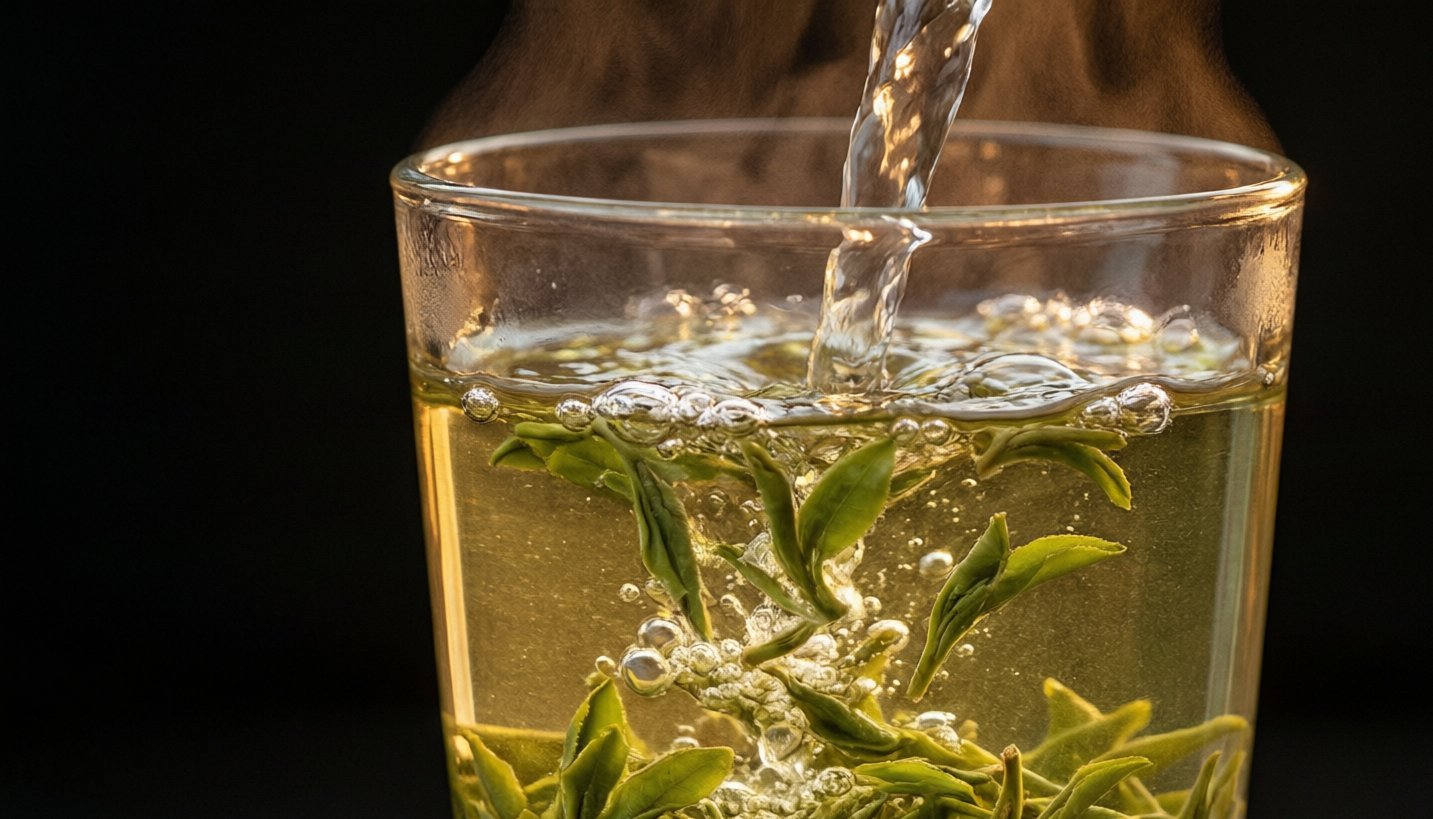
| Plain cup | 2–3 g | 90–95°C (194–203°F) | 2–4 min | Remove leaves immediately |
| Milk tea / chai | 4–6 g | Simmer after boil | 3–5 min | Add milk after strong decoction |
| Iced tea | 5–7 g | 90–95°C (194–203°F) | 4 min | Brew strong, pour over ice, then dilute |
Need a CTC Grade That Matches Your Brewing Program?
If you buy CTC tea for cafes, private label, or wholesale, do not standardize on leaf grade alone. Ask suppliers for the cut size, pellet density, harvest season, and a recommended brewing sheet. That information makes cup consistency much easier to control.
For CTC samples and wholesale pricing, contact Chinese tea suppliers at 427728483@qq.com with your target cup profile and monthly volume. Ask for two grades to brew side by side before you commit.
Source CTC Black Tea with the Right Strength and Cut
A common complaint from tea buyers is that CTC tea performs differently from lot to lot. The fix is not simply buying a darker pellet; it is buying from a supplier who can document the cut, origin, and storage conditions behind each shipment.
If you are sourcing for retail, foodservice, or private label, email 427728483@qq.com. Include your market, target cup strength, packaging format, and order volume, and request a pre-shipment sample. A short side-by-side brew test will tell you more than a color chart alone.
Frequently Asked Questions
Why does my CTC tea taste bitter?
The three most common causes are water that is too hot, too much dry leaf, or a steep that runs too long. Start at 2–3 g per 240 ml, 90–95°C water, and 2–4 minutes, then adjust one variable at a time.
Is CTC black tea stronger than orthodox black tea?
CTC tea often tastes stronger because it extracts faster and produces a heavier body. Strength is not automatic, though—it depends on leaf-to-water ratio, steeping time, and freshness. Brewed correctly, CTC tea should be bold without being harsh.
Can I brew CTC tea without milk?
Yes. Use slightly cooler water and a shorter steep if you want a clean, brisk cup. If you prefer a deeper liquor without milk, increase the leaf dose slightly rather than oversteeping.
How much CTC tea should I use per cup?
For a plain 240 ml cup, use 2–3 g of dry leaf. For milk tea or chai, use 4–6 g per 240 ml. For iced tea, brew stronger at 5–7 g per 240 ml and dilute after steeping.
References
[1] International Organization for Standardization. ISO 3103:1980, Tea — Preparation of liquor for use in sensory tests. Geneva: ISO, 1980.
[2] Food and Agriculture Organization of the United Nations. Current market situation and medium-term outlook for tea. Committee on Commodity Problems, Intergovernmental Group on Tea, 2018.